The European Commission has adopted a ban on the use of bisphenol A (BPA) in food contact materials due to its potentially harmful effects on health.
Appropriate message appeared on the website of the highest executive body of the EU.
The European Commission explained that BPA will now be banned in:
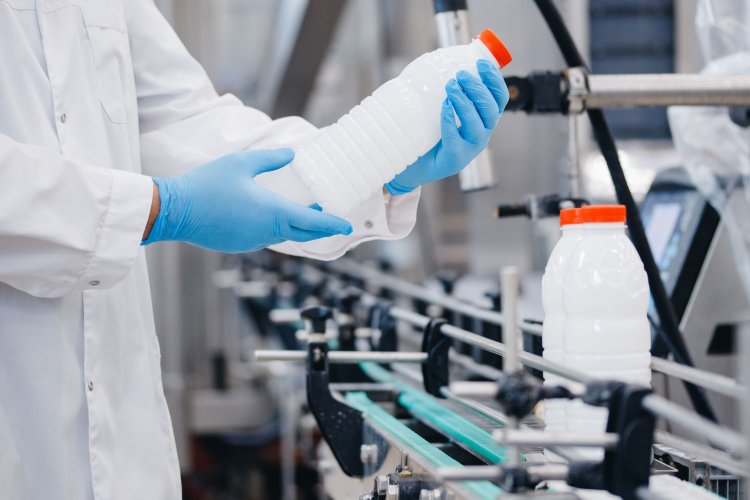
- products that come into contact with food or drinks – coatings on metal cans, reusable plastic bottles for drinks;
- coolers for water distribution and other kitchen utensils and equipment.
EU member states voted to ban bisphenol A at the beginning of this year. The European Food Safety Agency (EFSA) also spoke in favor of such a decision, taking into account the latest scientific assessments. In particular, EFSA concluded that BPA has a potentially harmful effect on the immune system.
Bisphenol A is already banned in the EU for baby bottles and similar products. An 18-month phase-out period will be established for most products, with very limited exceptions where there is no alternative. The transition period will help the industry to adapt to the new requirements. The ban also applies to other bisphenols, which are harmful to the reproductive and endocrine systems.
"Maintaining high food safety standards in the European Union and protecting citizens is one of the Commission's highest priorities. Today's ban, which is based on sound scientific advice, will protect our consumers from harmful chemicals that may end up in their food and drink." said Health and Animal Welfare Commissioner Oliver Varhely.
As Ecopolitic reported earlier, in April 2022, The EU made public plan for the largest ban of dangerous chemicals in the "restrictions road map", which included 12,000 substances, including bisphenol A. We also told that EU Ombudsman Emily O'Reilly criticized The European Commission for slowness in withdrawing dangerous substances from the market.