
Billions from the North Sea will go to green energy, not oil, says NSTA chief

Billions from the North Sea will go to green energy, not oil, says NSTA chief bbc.com

Illia Fedun

Investments in the North Sea will partially go to green energy, despite the desire of politicians to increase oil and gas production

In the UK, the head of the NSTA has said that around half of the £100 billion planned to be invested in the North Sea will go to alternative energy sources, not oil and gas.

This was reported by the BBC.

Stuart Payne, head of the North Sea Transition Authority (NSTA), said that additional investments are planned in carbon capture technology and the construction of floating wind farms.
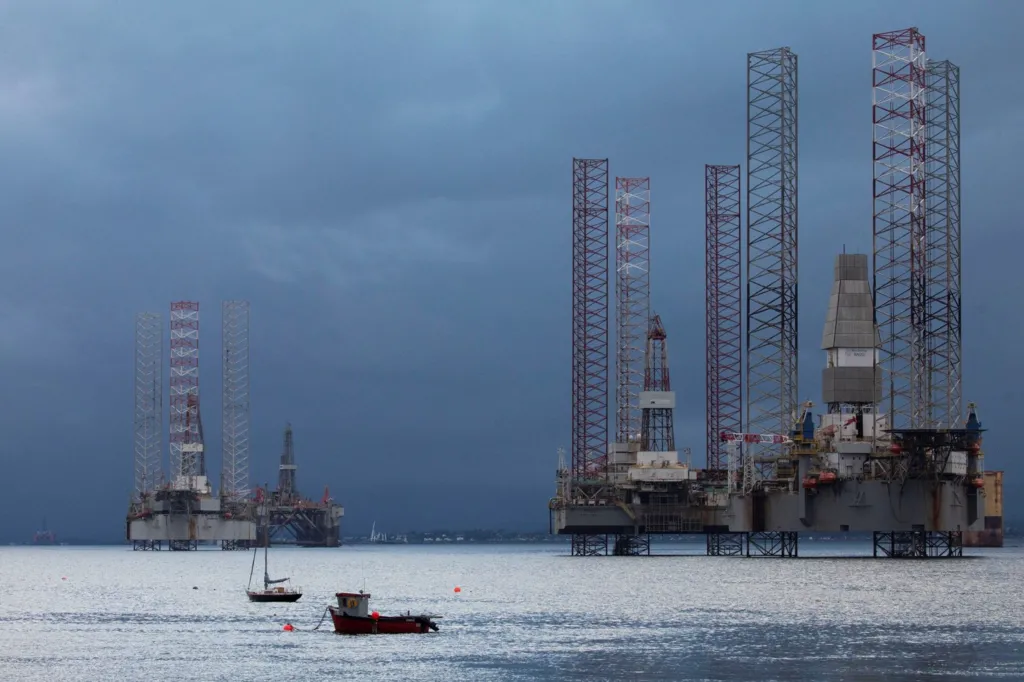
bbc.com

Photo: bbc.com

Stewart Payne said that the NSTA's focus on green technologies has already helped reduce emissions from oil and gas production by 34%, but there is still much work to be done to improve current results.

“The words we use matter. How we talk about this industry, whether it's in wind, CCS, oil and gas, or decommissioning, matters,” said Payne.

He added that there are real and very significant commercial benefits for the UK from zero-emission projects.

“The possibility of zero emissions for the UK is not a cliché or a sound bite,” he added.

As EcoPolitics reported earlier, the UK has frozen the development of a large oil field owned by a Norwegian company due to environmental requirements. The project is estimated to cost $3.8 billion.


Related
Air quality in the European Union is steadily improving, but people are still dying from dust

Government spending on emissions reduction is four times less than the benefits of implementing environmental policies

Polluted air reduces the health benefits of exercise

Scientists advise choosing cleaner places for physical exercise and avoiding training during peak pollution periods

EU takes Poland to court over NO2 air pollution

In the Krakow and Upper Silesia agglomerations, nitrogen oxide levels have exceeded the norm for 15 years

After the attack, the level of harmful substances in the air in Ternopil increased sixfold.

Residents are advised to stay at home with windows closed