The European Union has published the results of its analysis of the implementation of the National Emission Ceilings (NEC) Directive. More than 90% of the commitments have been fulfilled and, despite the skepticism of some member states, the mandatory environmental measures have not led to economic losses.
This is stated in an article on the official website of the European Union.
"The policy of reducing air pollution has brought benefits that far outweigh its costs. Every euro spent on clean air brings at least four times more benefits," said Jessika Rusvall, European Commissioner for Environment, Water, and Competitive Circular Economy, ahead of the Clean Air Forum in Bonn.
Environmental successes alongside economic ones
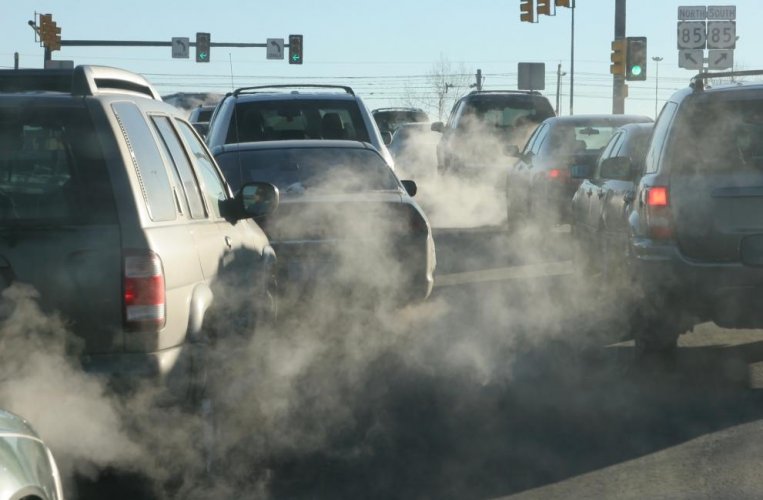
Emissions of the most harmful compounds into the EU's air have steadily declined at the same time as the economy has shown growth.
EU countries have fulfilled more than 90% of their emission reduction commitments for 2023. It is noteworthy that 19 countries have achieved environmental success for all types of pollutants. While ammonia emissions have fallen by a modest 17% in 20 years, sulfur dioxide emissions have been reduced by 85%.
The EU emphasizes the key role the NEC Directive played in these achievements. It helps control emissions from all sources and sets national emission limits. This enables countries to adapt European policies to their own context and priorities.
Still a long way to go
Eight countries are still lagging behind in fulfilling their commitments. This mainly concerns emissions of one or two harmful compounds. These countries have not achieved the necessary reductions for the 2020 targets, which will make it even more difficult to meet the 2030 commitments.
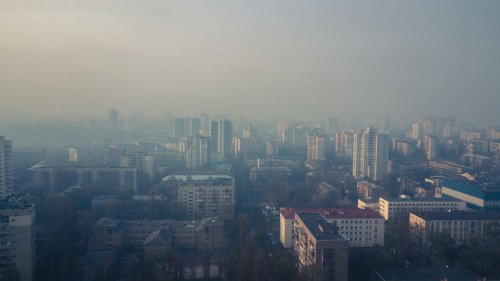
So it is still too early to talk about clean air in Europe. For example, 95% of European city dwellers still breathe air with concentrations of harmful substances above WHO standards. And in 2023, more than 180,000 people died from air pollution caused by fine particulate matter. This figure is 57% lower than in 2005, but it is still quite high.
It should be recalled that the EU previously faced challenges in adopting a common NDC. At that time, some states were unwilling to raise the bar for environmental commitments, citing concerns that it would become a burden for their economies.
EcoPolitic reported that due to excessive nitrogen levels, the EU filed a lawsuit against Poland.
Scientists have proven that even physical exercise, which is meant to reduce the risk of premature death, does not work 100% in areas with polluted air.