For two years, Ukraine ran an experimental project that simplified the procedure for obtaining permits for the treatment of non-hazardous waste. It allowed companies to operate legally without interruption and gave them time to obtain an environmental impact assessment (EIA) conclusion so that they could operate lawfully after the project ended. In practice, however, only about 10% of companies started or completed the procedure.
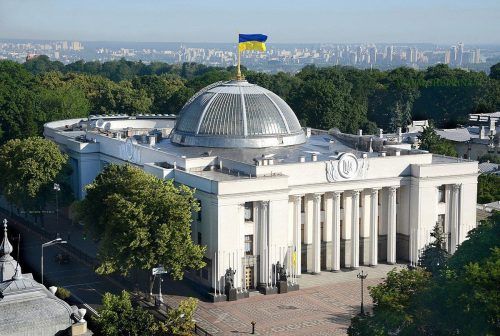
The results of the project and the shortcomings identified were reported by the Ministry of Economy, Environment and Agriculture. Its implementation was regulated by Cabinet of Ministers Resolution No. 1003 of August 30, 2024.
Why it was needed
The experimental project was intended to simplify obtaining waste treatment permits and established a procedure for obtaining them through the "EcoSystem" digital platform. It was supposed to ensure the uninterrupted operation of companies working with secondary raw materials, including paper, metal and glass, as well as landfills without approved reclamation projects.
At the same time, businesses received additional time to prepare documents under the general procedure, and the state got the opportunity to draft legislative amendments and test a digital mechanism for issuing permits.
Disappointing results
In practice, however, it turned out that the two-year bonus of operating without an EIA did not encourage most businesses to complete the procedures required by the Law "On Waste Management".
In total, 1,900 businesses received 2,612 permits under the experiment. Of these companies, 1,472 are subject to the environmental impact assessment procedure. Over two years, only 153 of them obtained EIA conclusions or started the procedure.
Pros and cons of the experiment
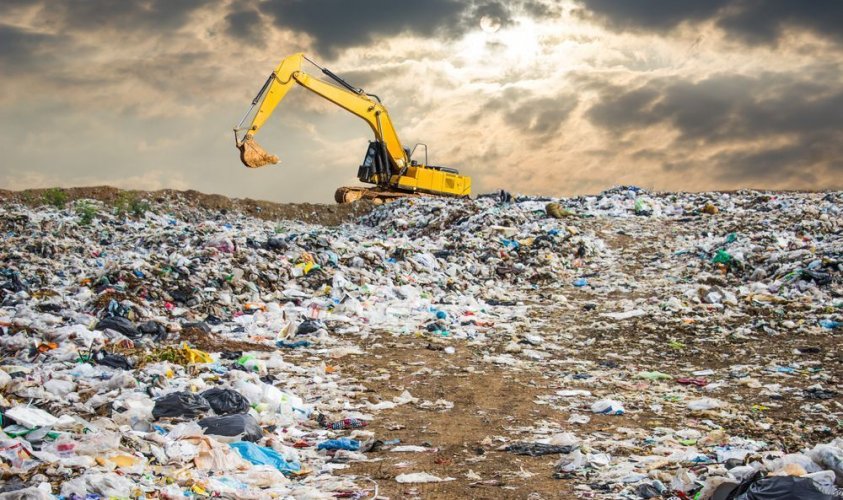
The Ministry of Economy considers it an advantage of the project that it made it possible to obtain simplified permits for operations D1, D4 and D. They were mostly obtained by municipal enterprises, which allowed landfills to operate legally.
Other positive aspects include the creation of a list of businesses in the waste management sector and the identification of gaps in legislative regulation of permits for preliminary operations R12 and R13.
However, there turned out to be more shortcomings. Among them:
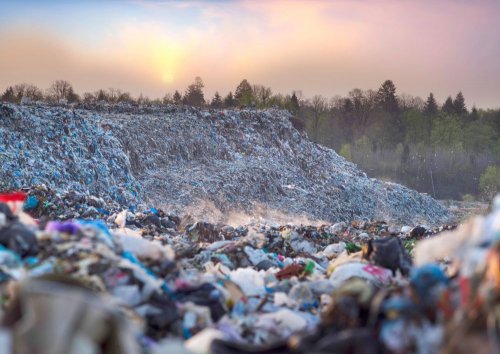
- Landfilling of waste that could have been reused. Simplified permits made it possible to landfill mixed waste, which could include both hazardous waste and waste that could have been used in construction and biogas production.
- Data gaps. The experiment did not introduce reporting for participants, so there are currently no data on the actual volume of waste collected and treated. This makes it impossible to objectively assess the results of the project.
- No progress in obtaining EIA conclusions. By the end of the experiment, only 10% of businesses had started or completed the environmental impact assessment procedure.
- Transfers of waste for treatment cannot be tracked.
- Court dispute. In April 2026, a court of first instance declared Resolution No. 1003 unlawful and invalid. One of the arguments was that it changed and simplified the requirements of the current Law "On Waste Management".
To fix some of the problems identified, the Ministry of Economy proposes preparing amendments to the Law "On Waste Management" to define the grounds and conditions for applying a simplified permitting procedure to certain non-hazardous waste operations, including R12 and R13.
EcoPolitic previously reported that the Ministry of Economy plans to give companies a seven-month transition period to complete the required procedures.
At the same time, businesses widely complained about the bureaucratic nature of this procedure and its long timeframes.