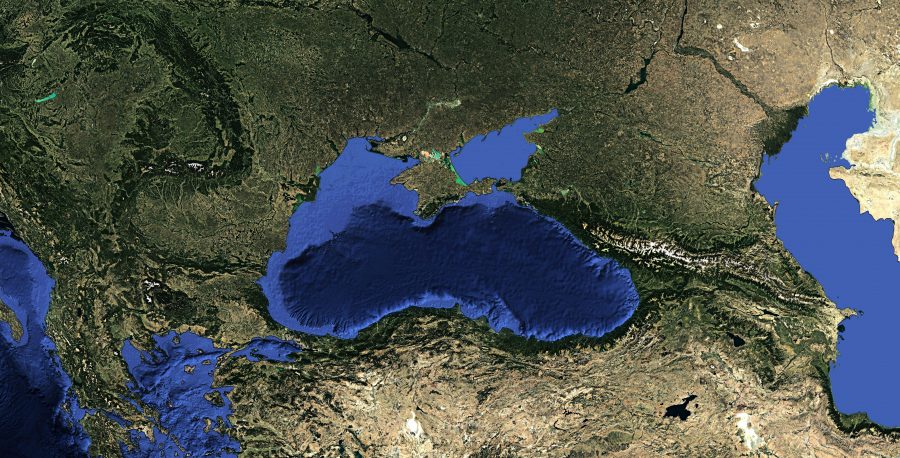
For 30 years now, International Black Sea Day has been marked on the last day of October. The sea has long played an important economic, logistical and political role for the coastal states. However, the main purpose of this day is to draw attention to the unprecedented environmental challenges facing the Black Sea and its ecosystem, which have become particularly painful during the full-scale war.
EcoPolitic tells about the history of the date and the main dangers that currently threaten the sea.
On 31 October 1996, the six states with access to the Black Sea signed the Strategic Action Plan for its rehabilitation and protection. In preparing the plan, thorough research was carried out, which showed that the condition of the waters had deteriorated significantly and that improving the situation depended on coordinated action by all the coastal countries.
Military threats
The Black Sea is vital for millions of people. It performs recreational, transport and economic functions. However, due to the war unleashed by Russia, the marine ecosystem is suffering unprecedented destructive impact, which is already affecting the state of the Black Sea and coastal communities.
One of the Black Sea's vulnerabilities is the colossal methane deposits beneath its seabed. Methane is a powerful greenhouse gas, and its release into the water threatens to displace oxygen and cause the death of marine life. Of course, this knowledge does not stop the enemy, which intensively uses the sea shelf for military purposes, carrying out active drilling and exercises. This is already having alarming consequences. According to the National Resistance Center, a year ago 950 points of active methane emissions were recorded.
Enemy attacks and pollution have already caused mass deaths of dolphins. According to scientists' estimates, the number of dead marine mammals may already be around 100,000. According to preliminary estimates, restoring the population could take up to 50 years.
There are two key causes of the animals' deaths: toxic and acoustic pollution. The first is linked to leaks of oil products, which damage internal organs, and the second to explosions and sonars, which disorient the animals.
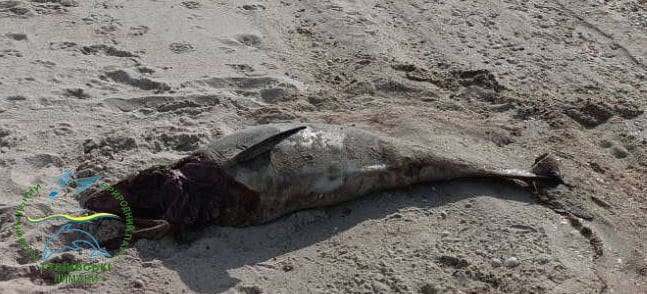
Source: Ivan Rusev on Facebook
There is no peace even on the shore. Since 2021, pink flamingos have been nesting in the Tuzly Estuaries National Nature Park in Odesa Oblast. However, in five years they have managed to hatch chicks only once, in 2023, when there was a relative lull during the necessary period. In the other years, explosions and enemy attacks scared the flamingos away from their nests. This was enough for yellow-legged gulls to ravage them.
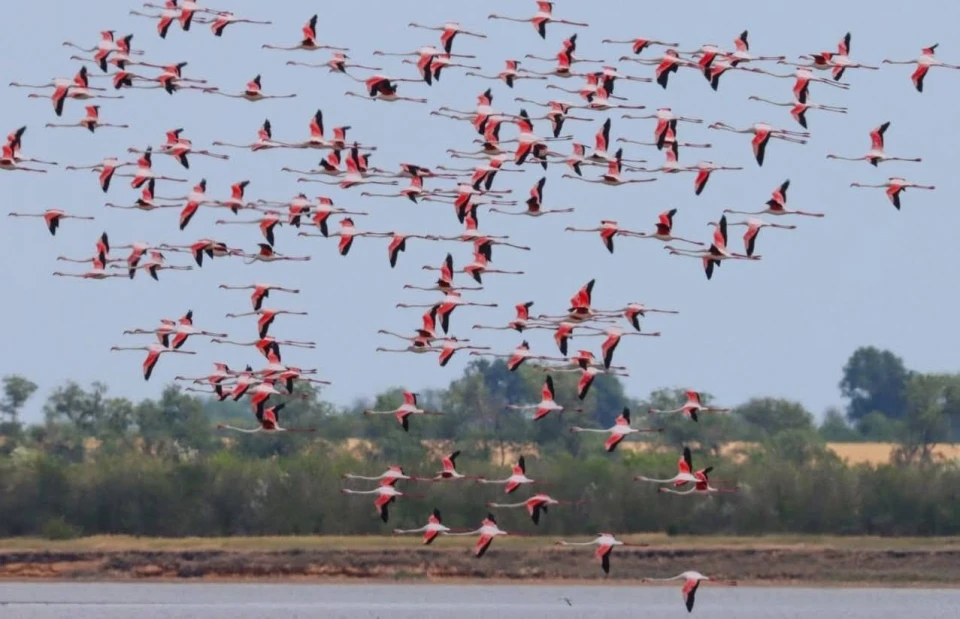
Source: Ivan Rusev / "Espreso"
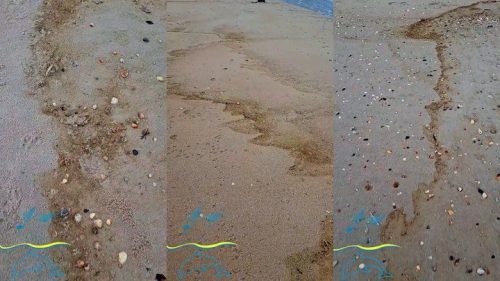
Another risk factor is pollution. For example, in April around 6,500 tonnes of vegetable oil entered the sea after a Russian attack destroyed tanks at the port of Chornomorsk. The substance "migrated" across the waters and polluted, among other places, the coast of the Tuzly Estuaries. However, even six months after the attack, a strong storm washed the oil up on the protected shore again.