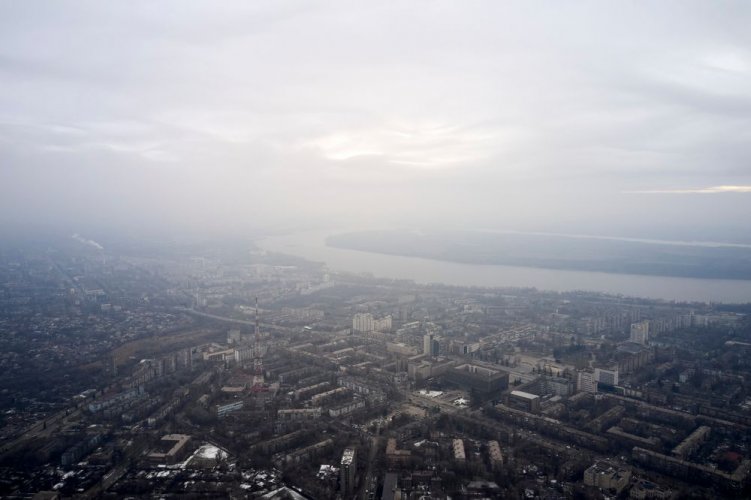
As of the morning of October 29, the average level of air pollution in regional centres does not pose a high risk. However, local exceedances are still being recorded.
This is evidenced by data from the international monitoring platform IQAir.
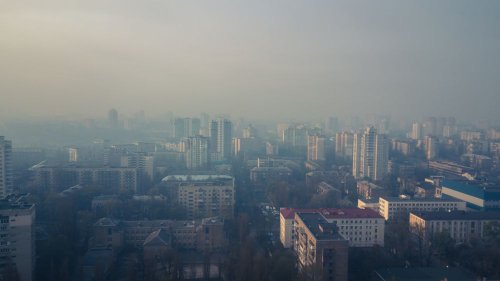
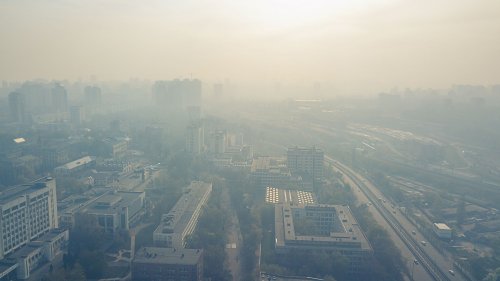
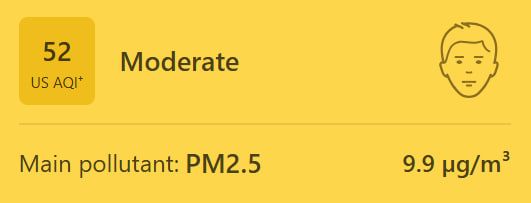
The average level of air pollution in Kyiv is moderate. The main pollutant is fine particulate matter PM2.5, with a concentration of 9.9 µg/m3. The World Health Organization standard for this indicator is 5.5 µg/m3.
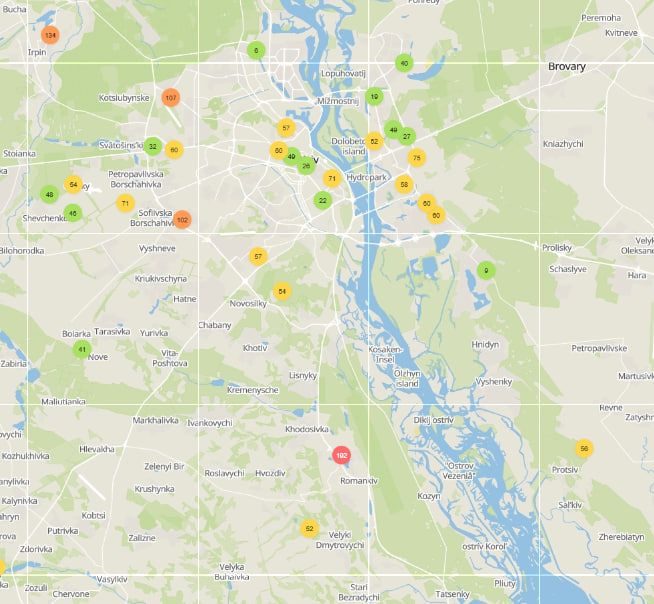
In some districts of Kyiv, the dust concentration is higher: 14.9 µg/m3 on Sichovykh Striltsiv Street, 20 µg/m3 near the National Academy of Sciences and 21.8 µg/m3 on Khotkevycha Street.
In some suburban settlements, pollution has reached the "orange" hazard level. Such air is unhealthy for sensitive groups – people with respiratory or cardiovascular diseases. In particular, the dust concentration is 37.9 µg/m3 in Kotsiubynske and 36 µg/m3 in Sofiivska Borshchahivka. In Irpin, the dust content is 45.3 µg/m3.
On average, the air in a number of large cities has a moderate level of pollution. It is not yet dangerous to people. The concentrations of the main pollutant are as follows:
- Ivano-Frankivsk – 24.6 µg/m3;
- Lviv – 17.6 µg/m3;
- Rivne – 17.2 µg/m3;
- Ternopil – 15.9 µg/m3;
- Vinnytsia – 14.8 µg/m3;
- Mykolaiv – 10.6 µg/m3;
- Chernihiv – 10.6 µg/m3;
- Zaporizhzhia – 9.7 µg/m3.
The rest of the regional centres have a low level of air pollution:
- Kharkiv – 9 µg/m3;
- Zhytomyr – 8.4 µg/m3;
- Chernivtsi – 7.2 µg/m3;
- Odesa – 6.7 µg/m3;
- Lutsk – 6.5 µg/m3;
- Dnipro – 5.5 µg/m3;
- Cherkasy – 5 µg/m3;
- Uzhhorod – 3.9 µg/m3;
- Khmelnytskyi – 3.8 µg/m3;
- Poltava – 3 µg/m3.
A high content of harmful compounds in the air poses a threat to public health. In particular, it can lead to the exacerbation or even the onset of respiratory and cardiovascular diseases. More on the impact of the environment on the human body can be found in this article.