Italy and the Czech Republic are set to present a package of proposals at the EU summit on 15–16 October to reform the EU Emissions Trading Scheme (EU ETS) and other climate regulations. The governments’ key objective is to reduce energy costs against the backdrop of the fuel crisis triggered by the war in the Middle East.
This was reported by Reuters, citing officials in Rome.
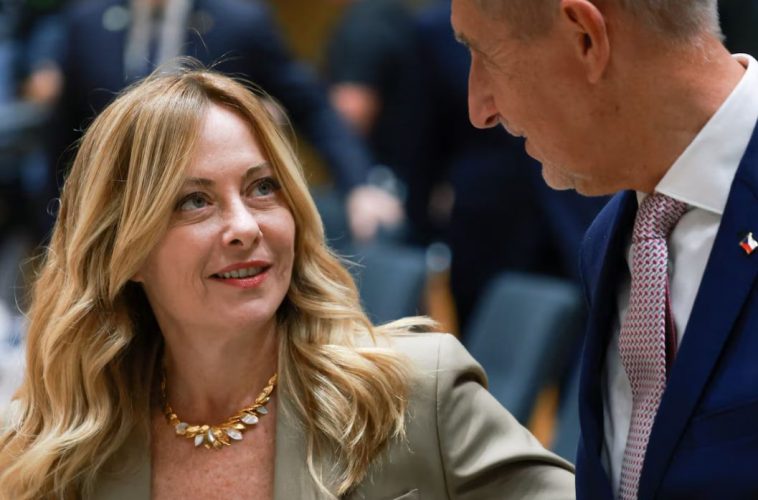
Italian Prime Minister Giorgia Meloni and her Czech counterpart Andrej Babiš plan to agree on joint recommendations. They are seeking to relax the European Union’s climate regulations. In their view, these regulations could lead to disruptions in energy supplies.
A few specifics
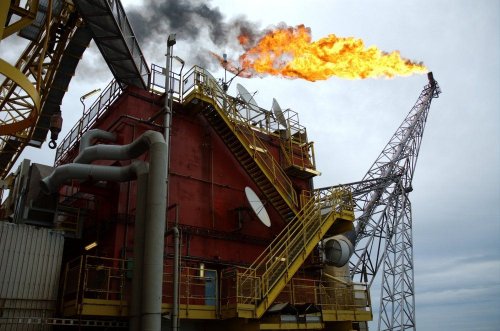
According to the publication, the countries are calling on the European Union to temporarily suspend the methane regulations, which were due to come into force as early as January 2027. The leaders of these countries believe that such rules could make it more difficult to use alternative gas suppliers. This, in turn, would jeopardise energy security and lead to higher costs.
However, a key element of the reform should be a review of the ETS. This is a system that requires industrial and energy companies to purchase greenhouse gas emission allowances on market terms.
To stabilise prices in this market, Rome and Prague wish to utilise the MSR Market Stability Reserve. This acts as a kind of buffer, holding unused allowances. By withholding allowances, the MSR prevents prices from falling, but at the same time, the return of surplus allowances could reduce the carbon pressure on industry.
Government officials also want to lobby for the launch of ETS2 to be postponed. It is due to start in 2028, and the carbon market will then also cover the transport and heating sectors.
EcoPolitic previously reported that a number of European governments had agreed on a position regarding the cancellation of MSR quotas. Currently, anything in excess of 400 million is being removed.
It has also recently emerged that the European Commission, under pressure from governments and oil and gas lobbyists, is nevertheless planning to postpone the rules on monitoring methane emissions.