Transport infrastructure is a critical component of the economy. Not only does it determine people’s mobility, but also the transport of goods, without which manufacturing enterprises cannot operate. However, in preparing for Ukraine’s recovery, it is important to take into account the impact of transport routes on wildlife and to incorporate nature-based solutions.
WWF-Ukraine highlighted some successful examples of infrastructure that serves humanity whilst providing space for wildlife.
The problem is that, for animals, motorways, bridges and railway lines often become insurmountable barriers that hinder natural migration, hunting and the search for mates.
"A large-scale restoration and development of the transport network lies ahead, as well as its further integration with the European network. And right now, it is important to establish an approach whereby the needs of wildlife are taken into account not after a road has been built, but right from the planning stage," the environmental organisation emphasised.
Searching for solutions relevant to Ukraine
Ukraine must take environmental priorities into account when developing its transport infrastructure. The GRID (Greening Transportation Infrastructure Development) programme, which WWF-Ukraine is implementing in collaboration with international partners, will be responsible for developing solutions.
The initiative plans to start by identifying key sections of the Kyiv–Chop route where the S06 road poses obstacles to animal movement, as well as mapping out key animal migration routes in the Polissya region and the Carpathians. Based on this data, recommendations will be drawn up for eight pilot sites.
International experience
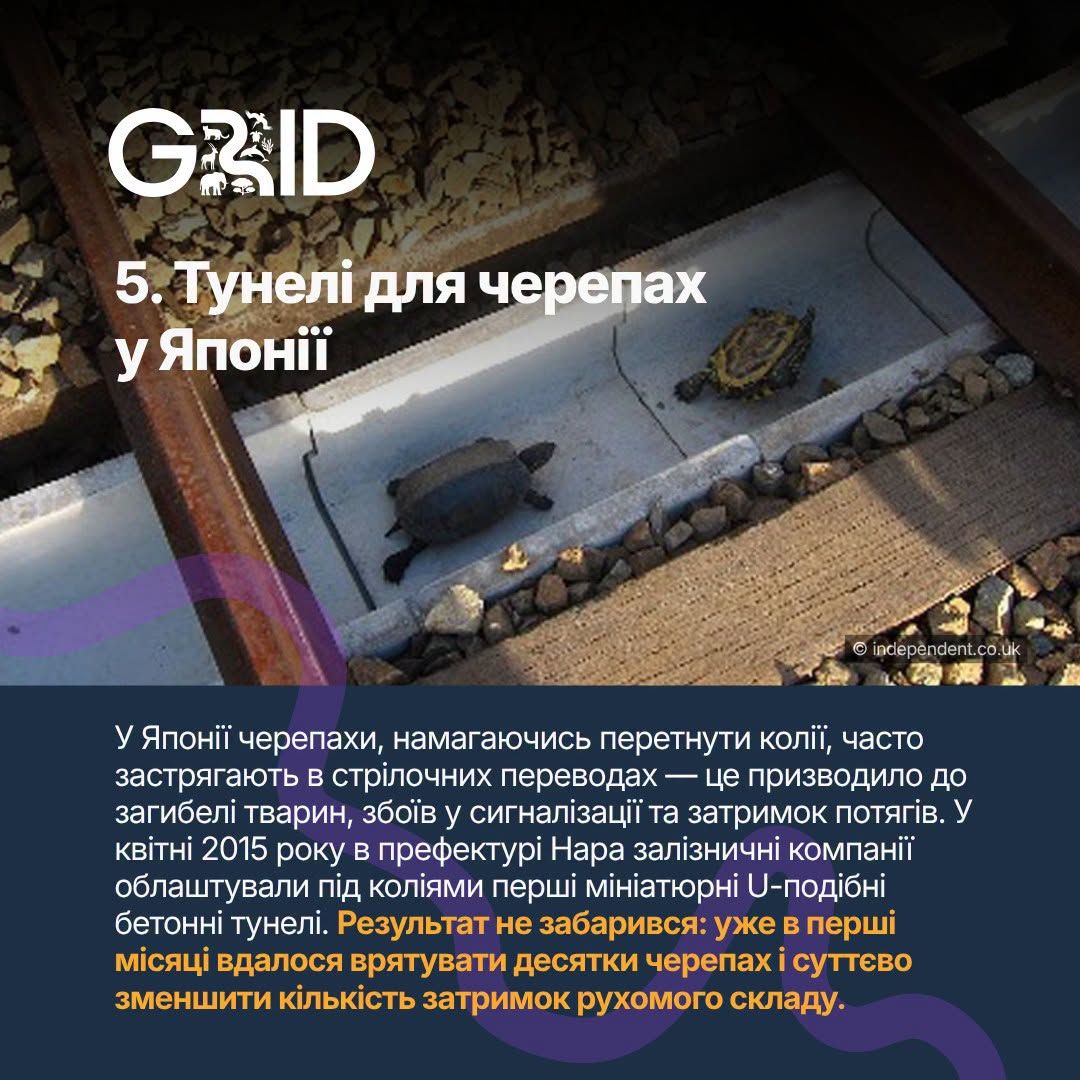
The nature of wildlife crossings over roads depends primarily on the type of local fauna and its needs. Wildlife bridges over motorways, underground tunnels, and raising the carriageway above ground level — there are various options that have been successfully implemented in different countries.
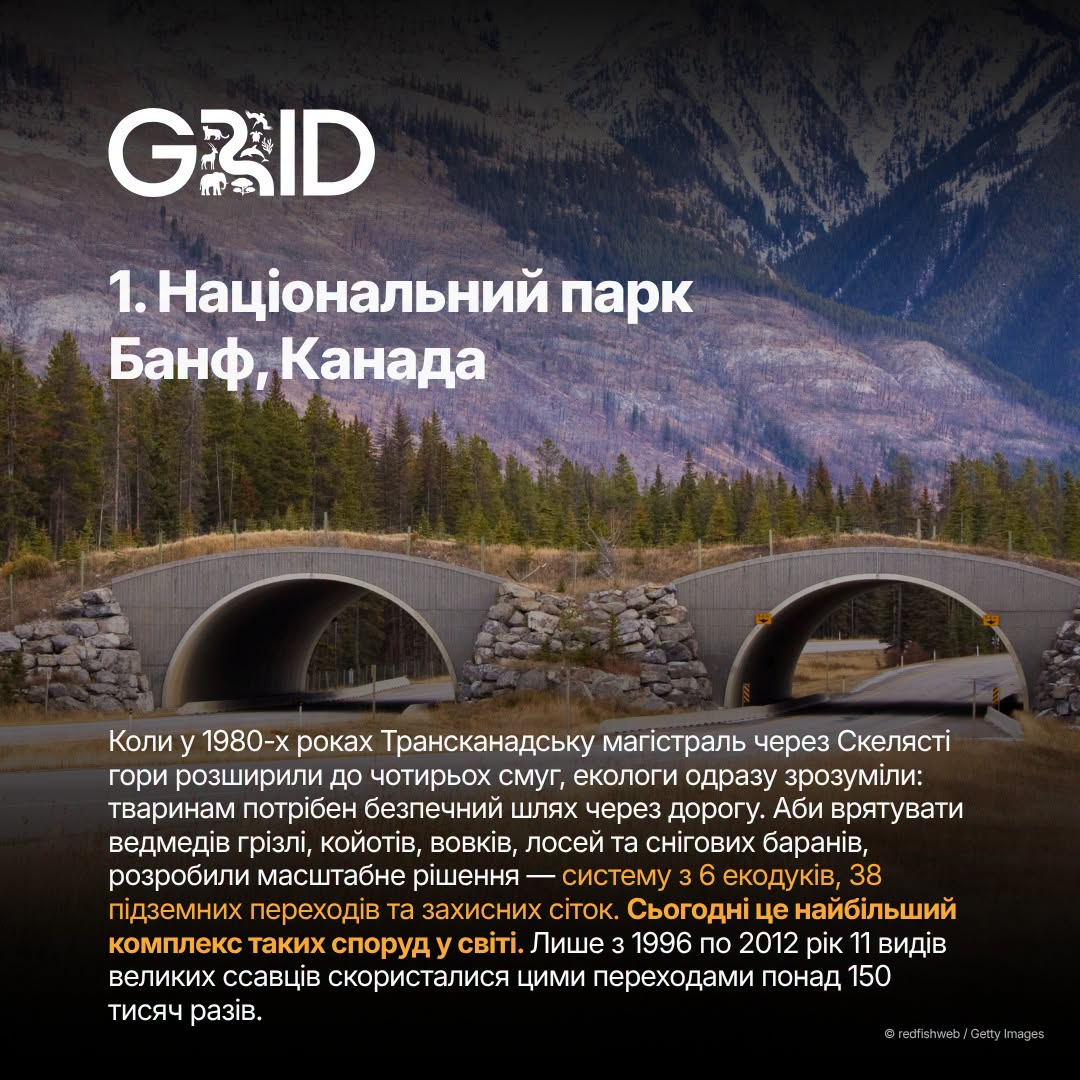
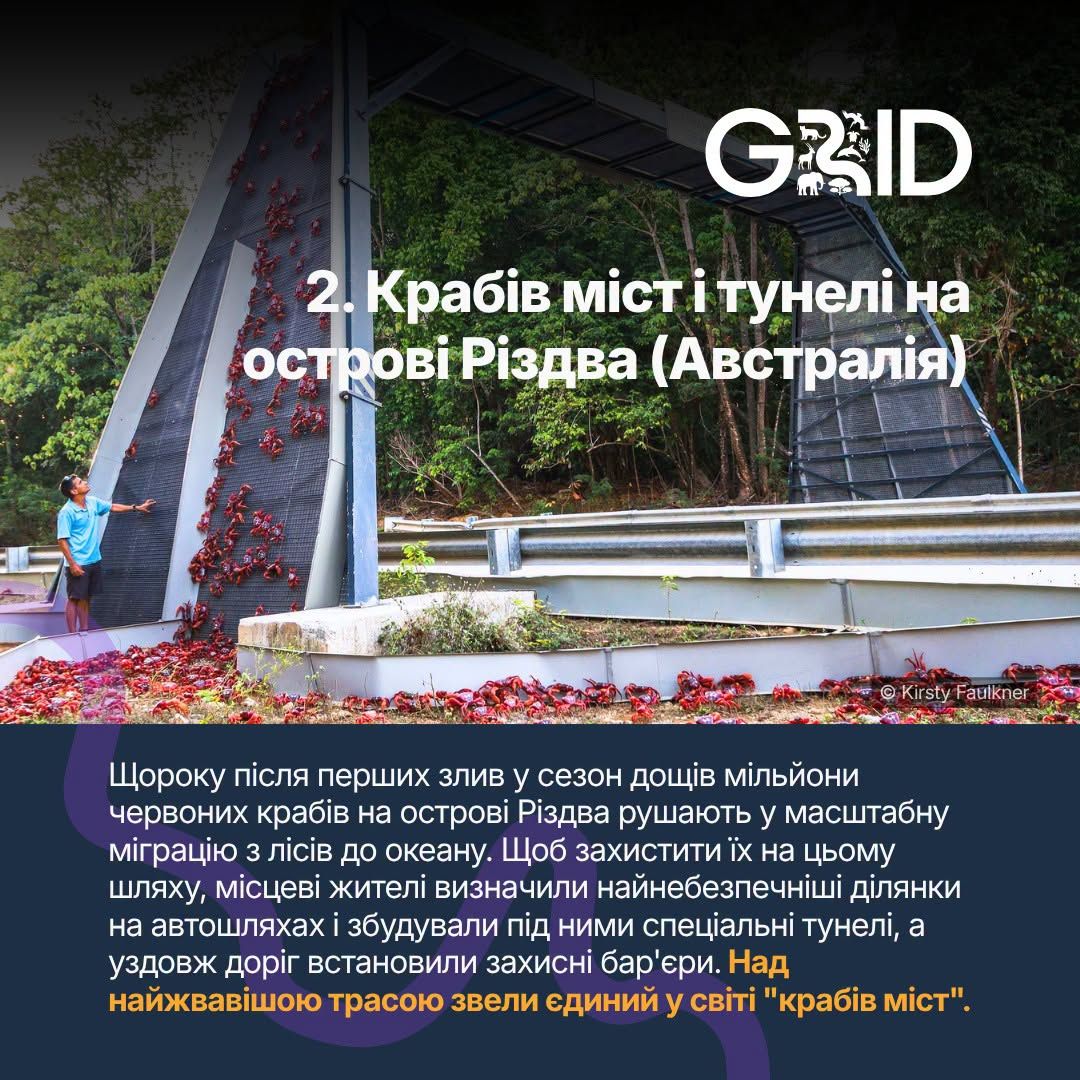
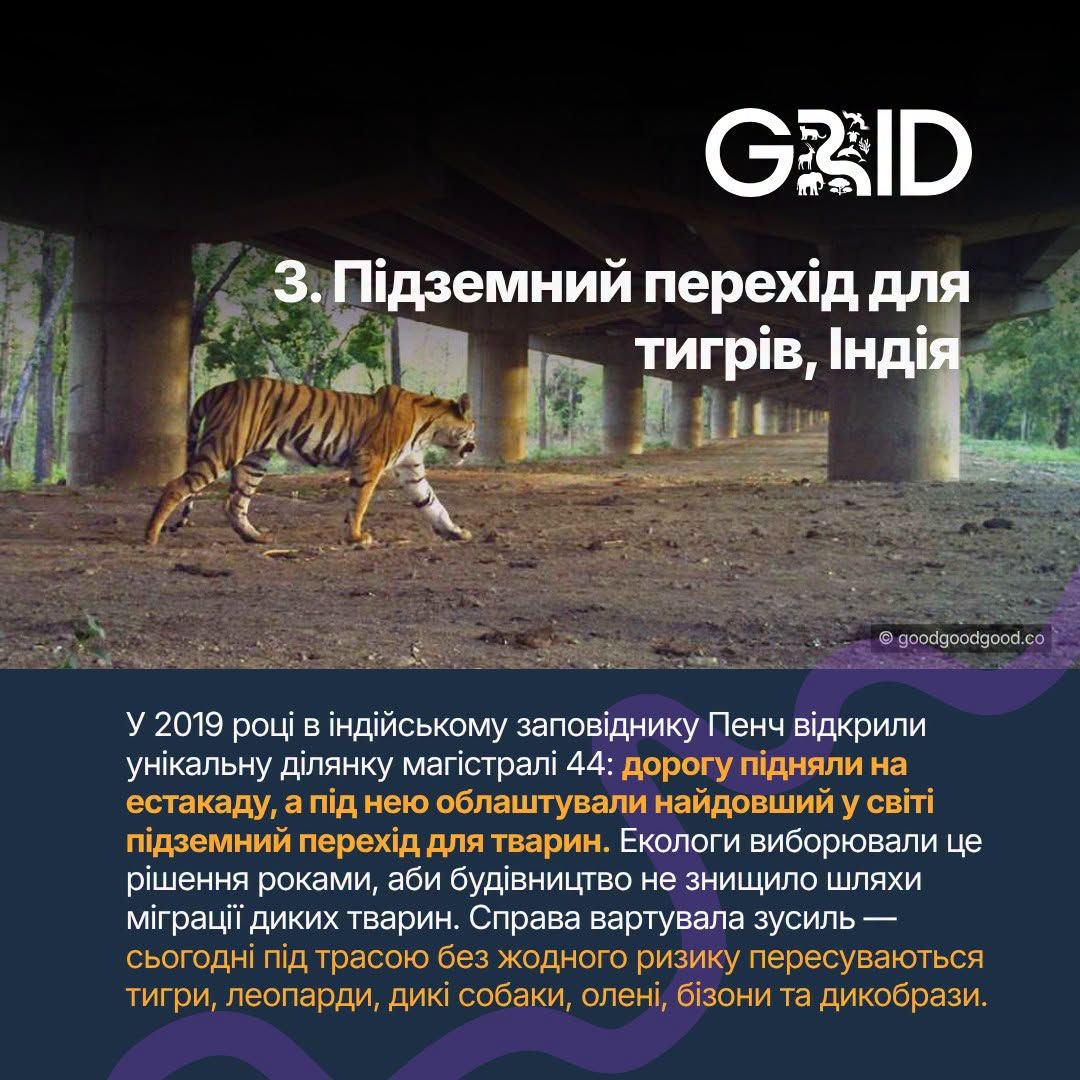
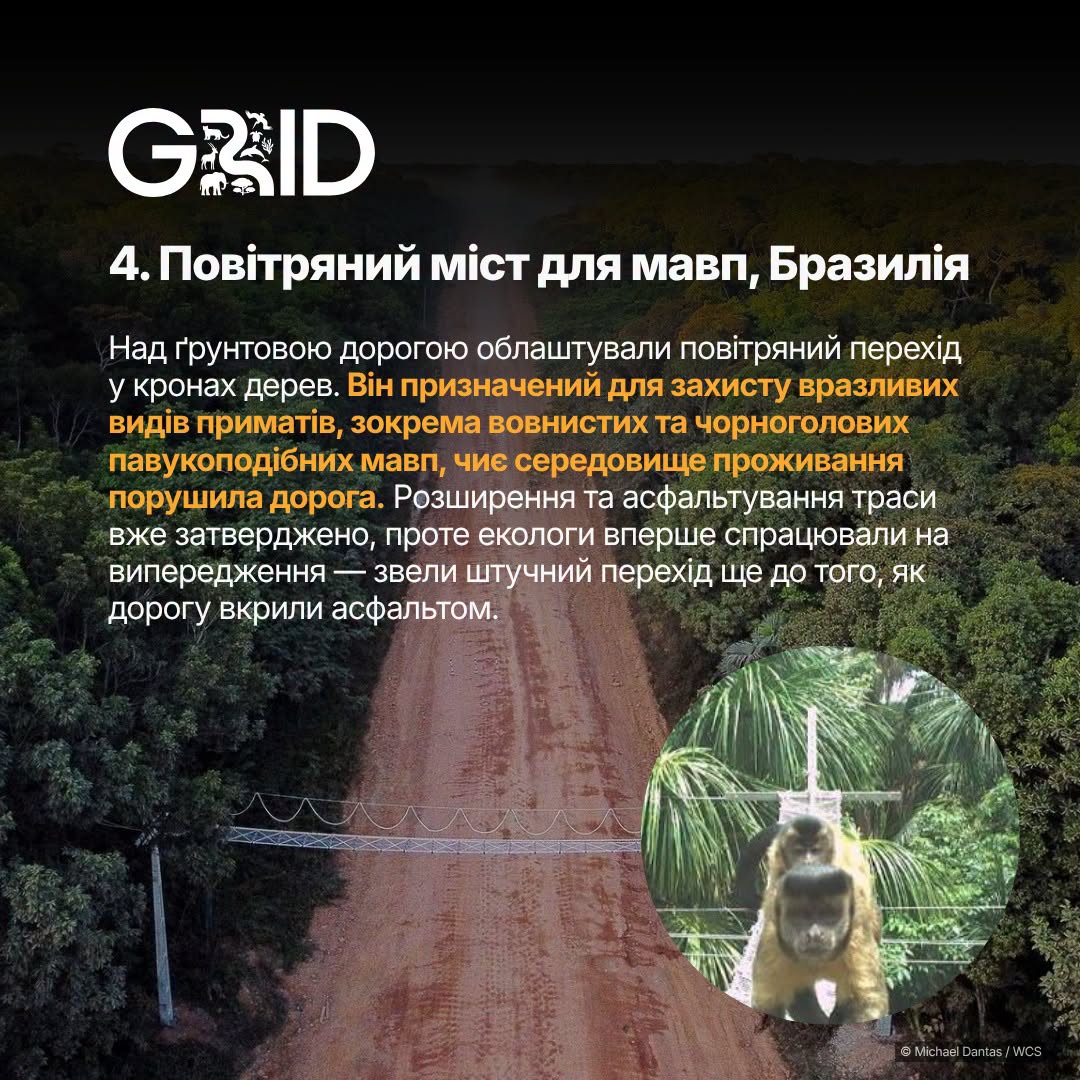
EcoPolitics recently reported that logging in Zakarpattia had destroyed the habitats of a number of Red List species. Prior to that, virgin forests in the ‘Shypot’ forestry district had been felled to make way for a road.