Humans domesticated dogs tens of thousands of years ago, during the Ice Age. Since then, these intelligent and loyal animals have become an integral part of our lives. Service animals, companions, and simply little friends, they are beloved pets in about a third of the world’s households. However, owning a dog comes with significant responsibility and duty. It is up to people to ensure their dogs live healthy and fulfilling lives.
For World Dog Day, EcoPolitics outlines the responsibilities of pet owners, the existing challenges, and the state of legislation aimed at making life safer for our four-legged friends.
A bit about the date
The notion that Dog Day is celebrated on July 2 is mistaken. This belief is common only in the Russian-speaking segment of the internet.
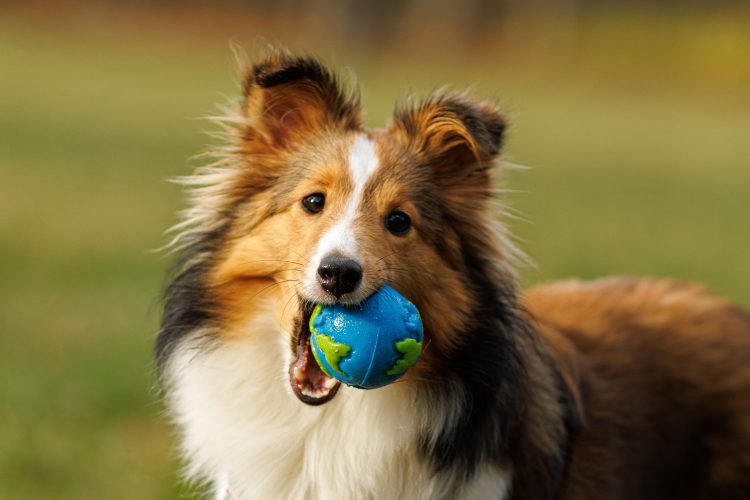
In reality, International Dog Day falls on August 26. On this date, American dog behavior specialist Colleen Paige adopted a Sheltie dog from a shelter. She is considered the founder of this celebration, which is now observed in the USA, Australia, the United Kingdom, Sweden, and a number of other countries.
Source: shutterstock
The role of dogs
Dogs were the first animals to be domesticated by humans. Since then, they have performed a wide range of tasks. Intelligent, people-oriented, and trainable, they serve in:
- service roles – in guarding, search operations, protection of territories and people, detection of explosives and narcotics, and assisting people with disabilities;
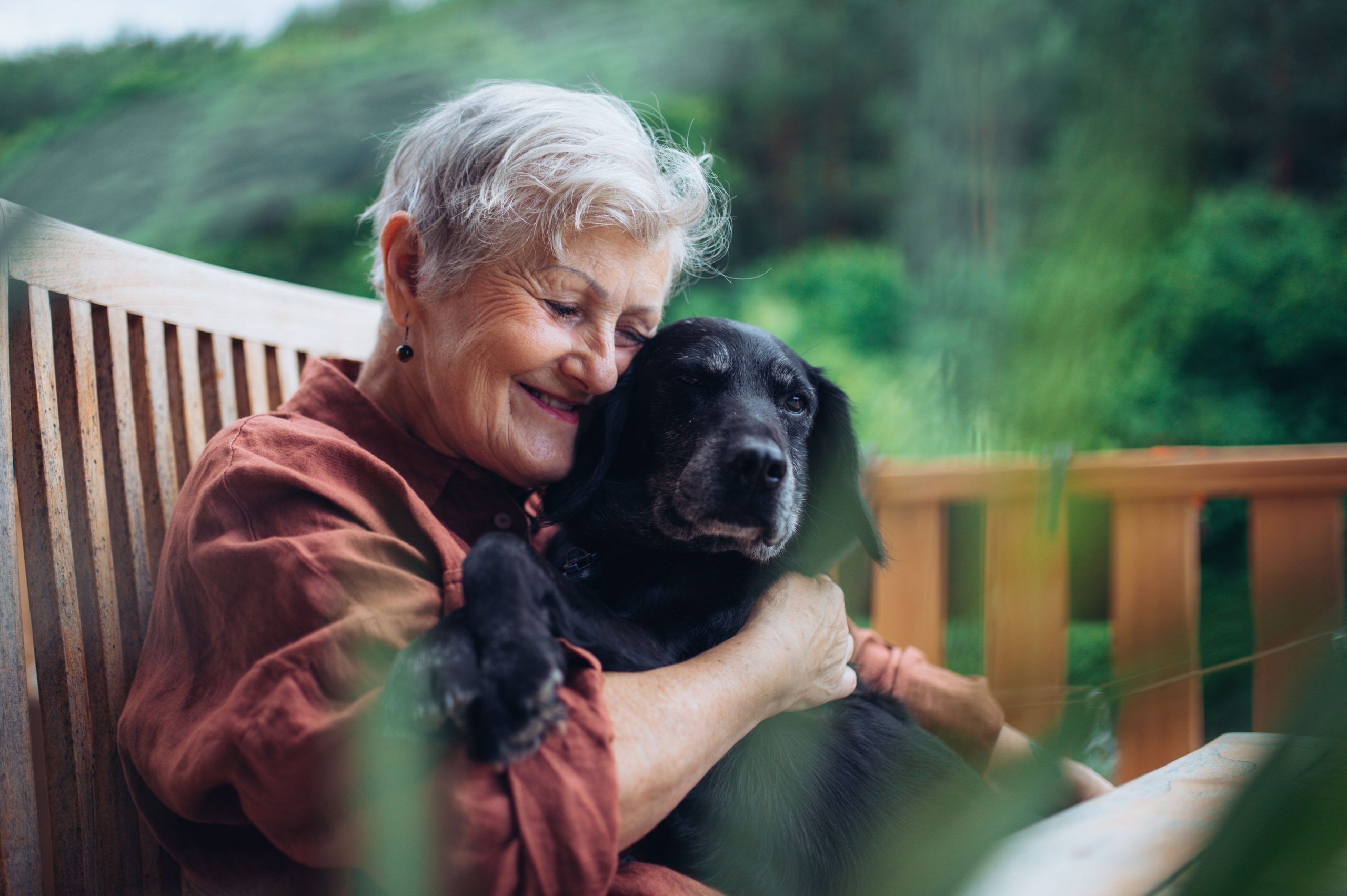
- rehabilitation roles – as psychological support animals, they provide comfort to the elderly, the ill, or injured individuals.
Yet, companion animals are not just about functionality, but about the joy of coexisting. Many Ukrainian families choose dogs primarily for their loyalty and intelligence.
Source: shutterstock
People’s responsibilities
Any dog, whether small or large, is not a toy. A dog is a living being that requires attention, care, and respect. To ensure a dog is happy, by human standards, it needs:
- Attention. A dog is a social animal, so isolation or prolonged neglect negatively impacts its well-being.
- Proper living conditions. This includes having a comfortable living space as well as appropriate nutrition. It is important to remember that dogs should not be fed from the "human" table – chocolate, onions, grapes, and tubular bones can be fatal to them.
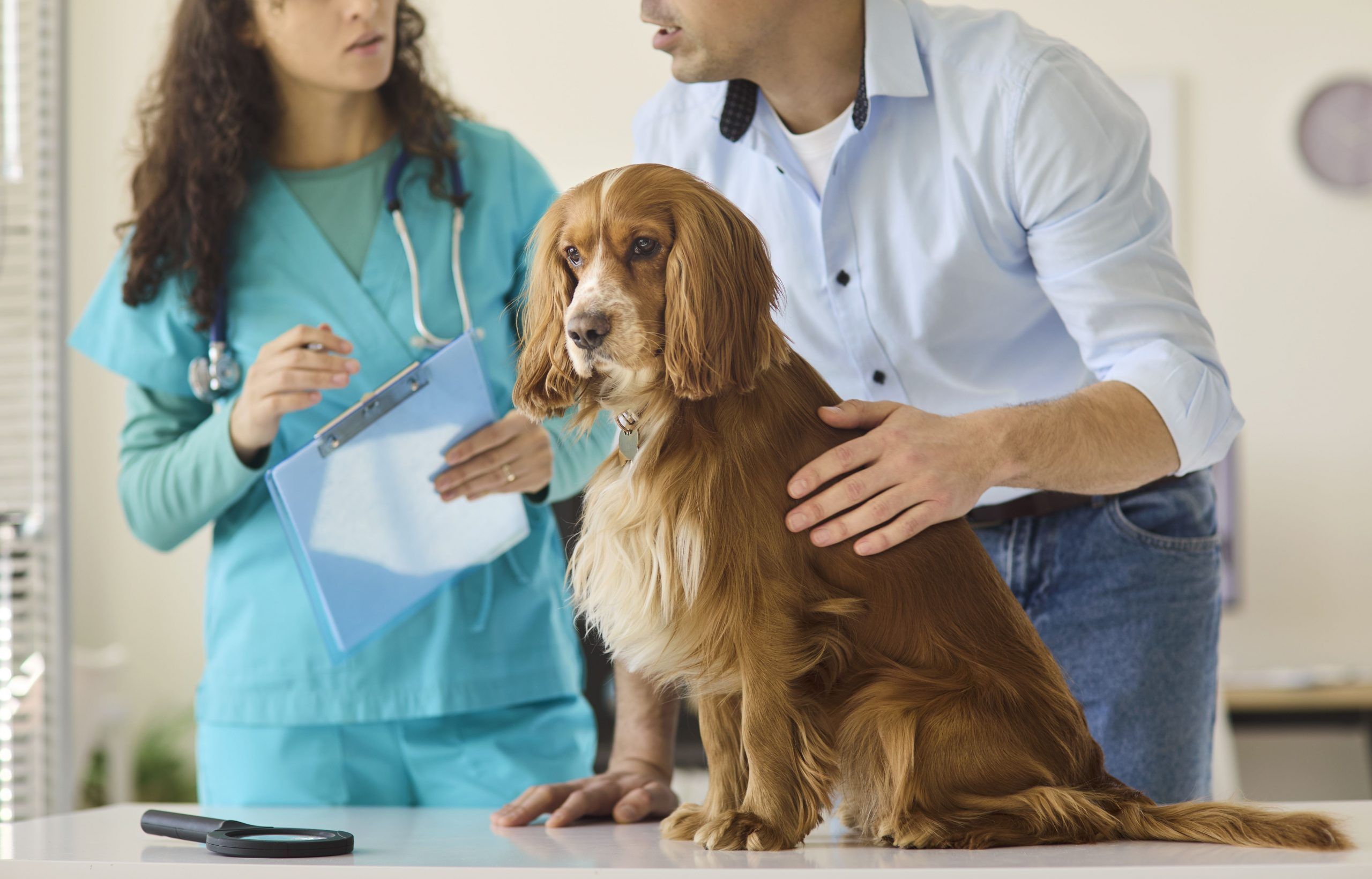
- Medical care. A dog cannot tell you where it hurts. Therefore, owners should monitor their pet’s condition and never delay a visit to the veterinarian. In addition, there are basic medical procedures that must be carried out even without symptoms – vaccination and treatment against parasites.
It is especially important to be attentive to animals during extreme weather conditions. For tips on how to protect dogs from the heat, EcoPolitic provided advice in a separate article.
Source: shutterstock
Legislative Restrictions
Currently, it is prohibited to keep an animal on a leash shorter than 20 meters or without access to shelter, such as an indoor area or a kennel. If the animal cannot find shelter, it is forbidden to leave it under direct sunlight or in temperatures below zero.
For this purpose, Ukraine enforces the Law “On the Protection of Animals from Cruelty.” It stipulates that the owner must provide the pet with appropriate living conditions and observe sanitary and hygienic norms in the areas where the animal resides. The law also covers the safety of others, veterinary care for animals, and requirements for shelters.
Even under current legislation, citizens are sometimes held liable for violations. For example, in Kyiv, the owner of a French Bulldog named Rafik faces up to three years in prison. He left the dog on the balcony of his apartment without food, water, or walks, which led to its death.
However, both the public and experts believe that the existing regulations are insufficient. Back in January, the parliament approved in the first reading Bill No. 11328, aimed at strengthening liability for cruelty to animals.
The bill provides a clearer definition of terms, such as “animal welfare” and “appropriate living conditions.” It also restricts commercial use of animals, including at exhibitions and entertainment events where proper conditions are lacking. The draft law will prohibit “aesthetic” veterinary operations such as ear and tail cropping or devocalization.
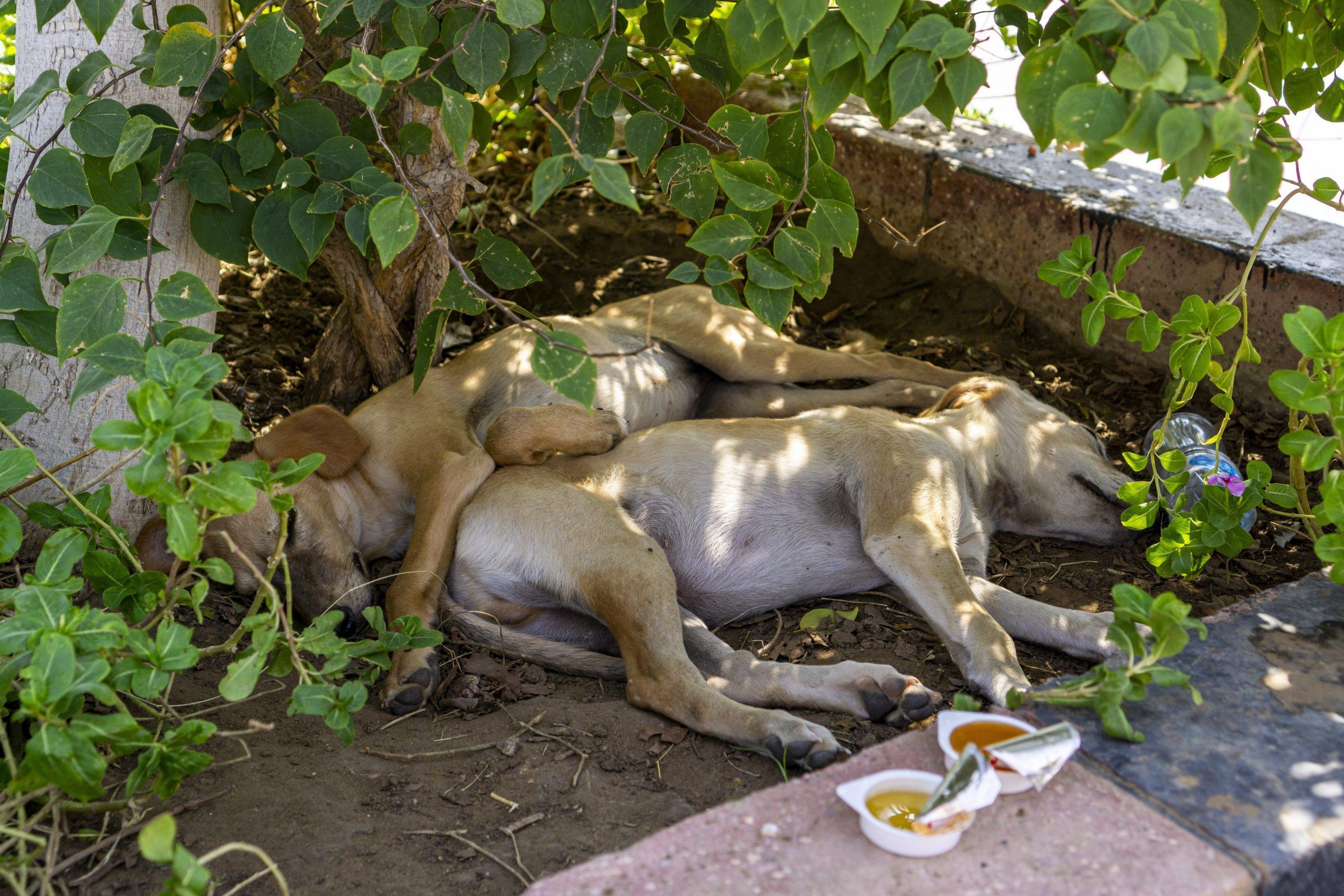
An important component is the consideration of stray animal rights. In particular, the document partly regulates the treatment of stray animals and prohibits preventing people from feeding or assisting such animals. EcoPolitic analyzed future changes in more detail in this article.
Source: shutterstock
At the same time, Ukraine is creating a unified state register of domestic animals. So far, it covers dogs, cats, and ferrets. Registration is free and voluntary. However, it cannot be done remotely – a veterinarian must examine the animal and conduct its identification in person. In the future, digital veterinary passports will be developed based on the registry and integrated into Diia.
Separately, it is worth noting that new rules for keeping and handling pets are being prepared in Kyiv. The new requirements set many provisions, some of which are opposed by certain deputies. For instance, before registering an animal, the owner will need to undergo a face-to-face interview, and dogs' social behavior will be tested according to a special program.