Forty years after the worst nuclear disaster in history, it is still dangerous for people to return to the Chernobyl zone. However, the radiation threat does not deter wildlife. Populations of wild animals have recovered here – from wolves and bears to Przewalski’s horses, which had disappeared from the wild back in the 1960s.
This is reported by the Euronews media outlet.
A genuine miracle
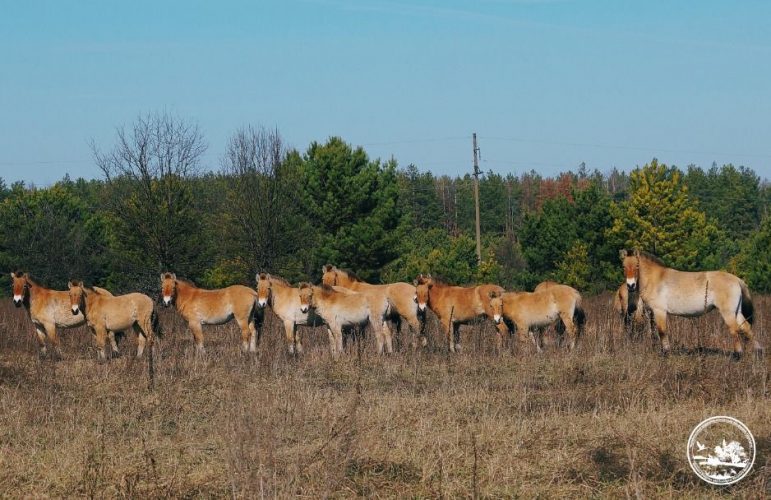
Przewalski’s horses were once on the brink of extinction – in 1969, they were officially declared extinct in the wild. However, Chernobyl has become a place where a wild population of these equids has been reborn.
In 1998, they were brought here as an experiment, and now these animals live and reproduce in the exclusion zone, which remains off-limits to people.
“The fact that there is now a free-ranging population in Ukraine is something of a small miracle. With the disappearance of human pressure, parts of the exclusion zone now resemble European landscapes of past centuries. Nature is recovering relatively quickly and efficiently,” said Denys Vyshnevskyi, the exclusion zone's leading naturalist.
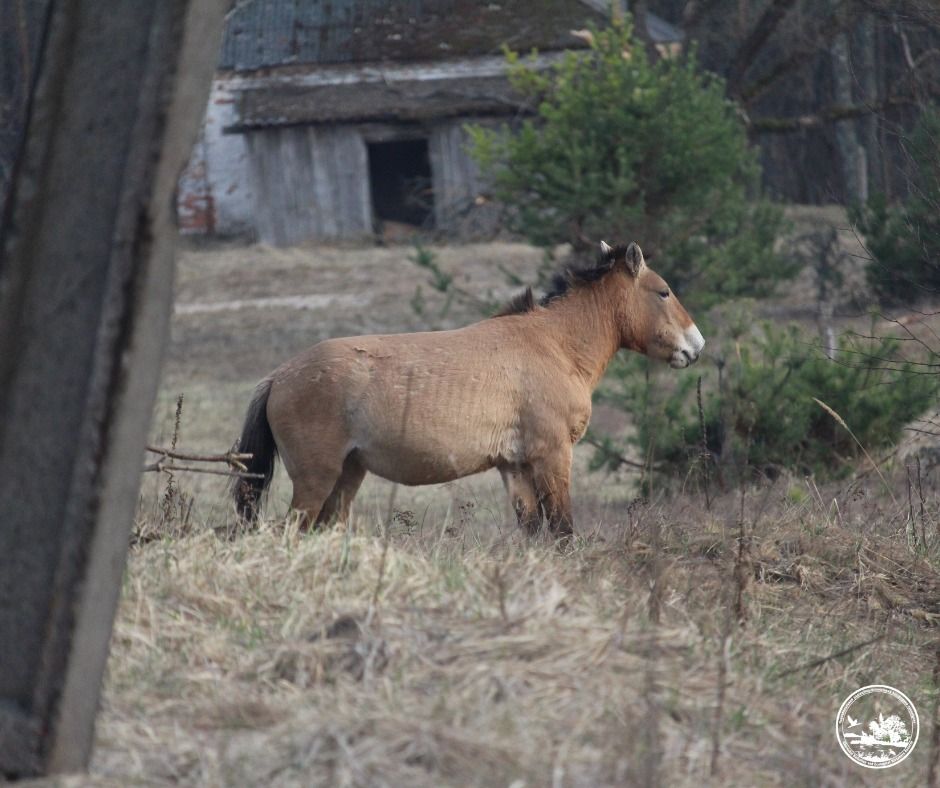
The horses have adapted to the conditions of the exclusion zone. Abandoned houses and partially ruined barns serve as shelters for the animals – there they can escape the weather and insects. Sometimes, the horses even sleep in derelict houses.
These animals are social beings, typically living in small groups. Most often, a “family” consists of a stallion, several mares, and their foals. Separate groups of young stallions live apart.
Overall, this species has proven to be highly adaptive. Despite being “programmed” for life in the open steppes of Mongolia, it has become accustomed to the forested areas of northern Ukraine. Globally, there are now about 3,000 Przewalski’s horses.
“This species is an excellent example of successful reintroduction. Although it is still far from being completely safe, it has shown that with proper preparation, a species maintained in captivity can regain the social and ecological behaviors needed for free living,” emphasized Florian Drouard, head of the horse program at Cévennes National Park in southern France.
From radiation to fires – how animals survive
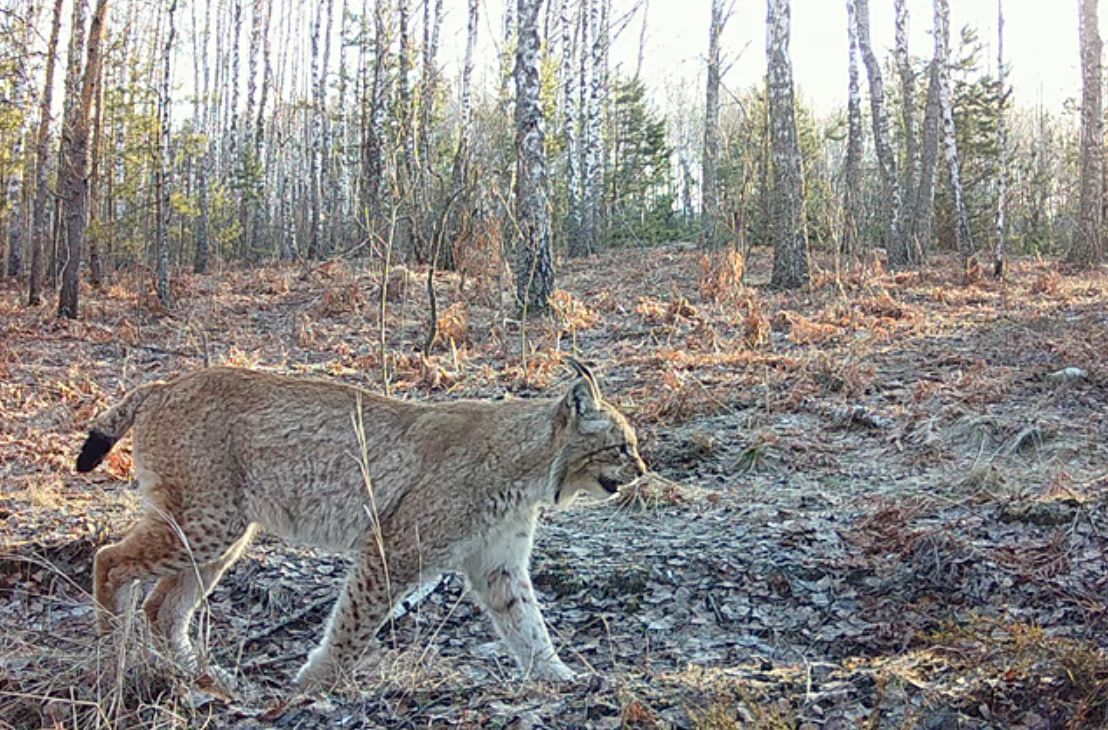
Scientists monitor the zone’s wildlife, including through a network of camouflaged camera traps. Despite all concerns, researchers have not observed mass die-offs of animals due to radiation. However, there are some minor changes. For instance, birds more frequently suffer from cataracts, and frogs have developed darker skin.
Source: Chernobyl Radiation and Ecological Biosphere Reserve
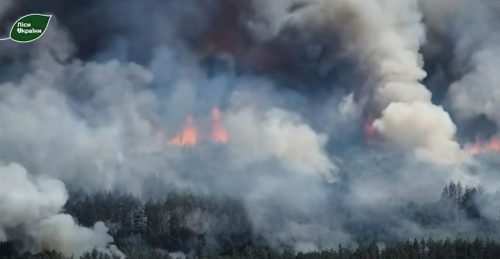
At the same time, Russia’s invasion has created new threats in the Chernobyl zone, among them forest fires triggered by enemy drones. Beyond the immediate danger to fauna, these fires carry an invisible threat – the flames can release radioactive particles into the air.
Despite all – radiation, fortifications, and barbed wire – the Chernobyl zone remains a kind of wildlife sanctuary. In spite of the anthropogenic impact that once affected this territory, nature has prevailed.
EcoPolitic previously reported on how Europe managed to restore the bison population. This animal was also once considered extinct in the wild. Yet, after decades of effort, herds of bison now roam freely across the continent again.