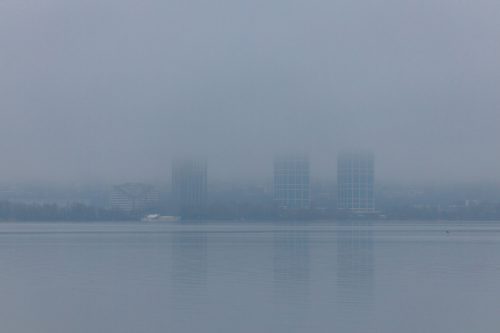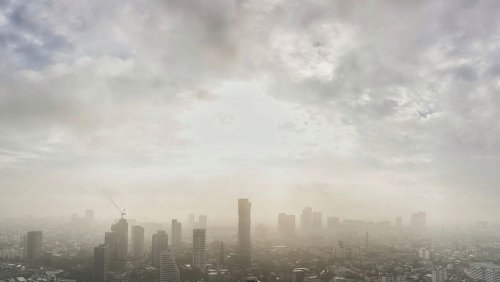
Intense and moderate physical activity not only has a positive effect on a person's well-being, but also reduces the risk of premature death. However, the effect is significantly weaker if people choose places where the air is polluted with fine particles for outdoor activities.
This was reported by Euronews, citing a study published in the journal BMC Medicine.
The analysis covers data from 1.5 million adults in the US, UK, China, Denmark, and Taiwan. Researchers collected information about them over a period of ten years. They set out to identify the link between air pollution and the benefits of exercise.
They chose PM2.5 fine particulate matter pollution as a marker. This type of pollution comes from burning fossil fuels and waste, as well as car exhaust fumes. The most dangerous thing about these particles is their microscopic size. This allows them to easily cross the blood-brain barrier of the human body and damage the lungs and heart.
Impact in Numbers
Scientists found that individuals who exercise have a 30% lower risk of dying during the study period. In this analysis, “physical activity” was defined as at least 2.5 hours of intense or moderate exercise per week.
However, polluted air in the area where people live and exercise significantly reduces this bonus to longevity. Pollution over 25 µg/m³ reduces the positive effects of exercise by 12–15%. The higher the concentration of particles in the air, the lower the protective effect of physical activity.
“We don’t want to discourage people from exercising outdoors. Checking air quality, choosing cleaner routes, or reducing the intensity on polluted days may help you get the maximum health benefit from physical activity,” said Paola Zaninotto, co-author of the study and professor of medical and social statistics at University College London.
Limitations of data that do not contradict the trend
The researchers note that they mainly analyzed data on residents of relatively wealthy and developed countries. This may mean that the negative effects of air pollution in poorer countries will be even greater.
The analysis did not take into account people's diets, nor did it include data on the air quality in the rooms where they were staying. However, taking into account factors such as education, income, health status, and smoking only confirmed the scientists' conclusions.
Earlier, EcoPolitics reported on the impact of global warming on mortality from cardiovascular disease. In Europe, researchers attribute about 20% of deaths from these diseases to climate change.