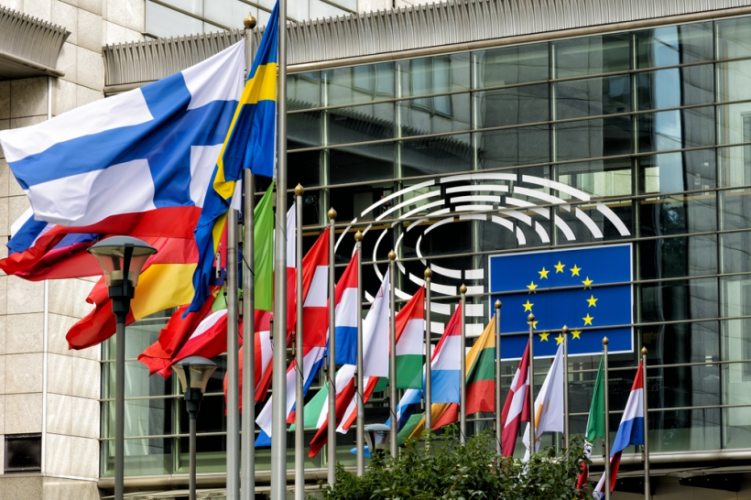
The European Union has postponed the implementation of the EU Deforestation Regulation for the second time. The reason is traditional: the IT system for checking documentation is not ready, and a smoother transition is needed. European activists see this as a risk of weakening the law.
However, this will give Ukraine additional time to prepare for the implementation of the new rules. This was reported by the State Forest Resources Agency.
Constant postponement
The EUDR came into force on June 29, 2023. After that, Europe analyzed whether countries and businesses were ready for its implementation. It turned out that they were not. Therefore, on October 2, 2024, the implementation of the EUDR rules was postponed for a year. In 2025, the situation repeated itself.
The decision to postpone will theoretically take effect by the end of this year. Before that, its final version must be approved after negotiations with EU countries, and the document must be voted on by the European Parliament and the EU Council.
Bonus time for Ukraine
The adoption of the postponement will give Ukrainian exporters time to prepare for compliance with the regulations, as sooner or later they will come into force anyway.
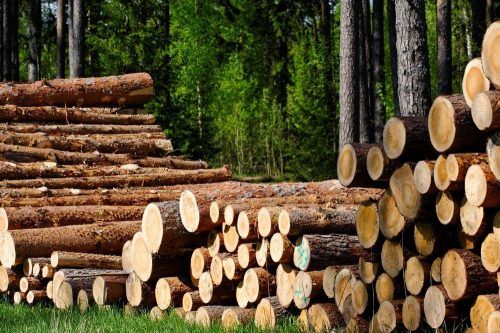
The main requirement of the EUDR is to prevent deforestation, so when selling timber to the EU, it must be documented that its harvesting did not lead to soil degradation or deforestation.
The State Forestry Agency says that it has essentially already done its "homework," as it did not expect another postponement of the implementation of the regulation's provisions.
“The team at the State Forest Resources Agency is already ready to ensure exporters can quickly assemble the required package of documents, since we have been working on this for a long time, aiming to meet the December 30, 2025 deadline. So, we await news from the EU and are preparing for EUDR implementation, even if it is in a year’s time,” said Viktor Smal, Head of the State Forest Resources Agency.
Earlier, EcoPolitic reported that the government recently adopted a number of decisions to improve the functioning of the forestry sector. In particular, it introduced a tool known as the electronic exporter’s cabinet. This will contain the necessary information about the shipment, enabling the entire journey of the wood to be tracked – from harvesting to crossing the border with the European Union.
EU climate opponents called the decision to postpone the EUDR implementation hypocritical. Some see this as Europe backing down from its environmental ambitions.