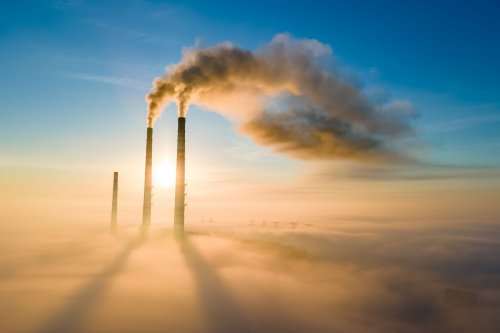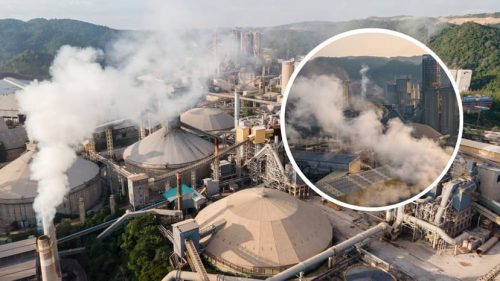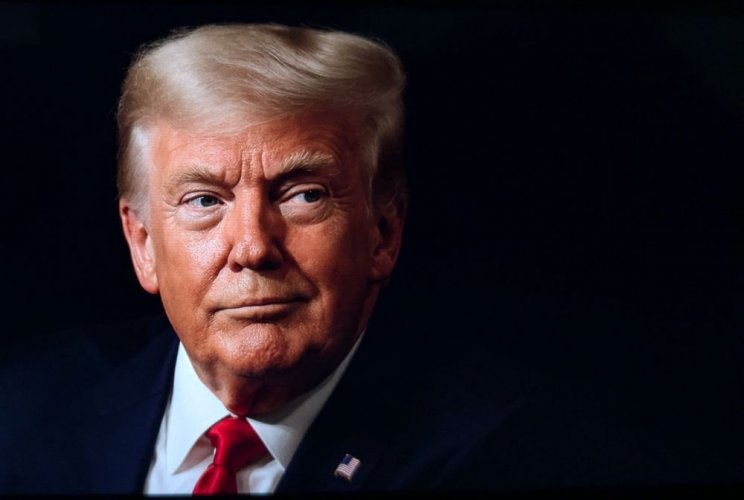
U.S. President Donald Trump has canceled the rule of the previous head of the United States, Joe Biden, which obliged copper smelters to reduce harmful emissions.
This was reported by Reuters.
The regulations, introduced by Biden in May 2024, required limits on emissions of lead, arsenic, mercury, benzene, and dioxins in accordance with updated federal clean air standards.
Trump has granted two copper smelters in the US a two-year exemption from these requirements. The White House explained this by the need to reduce the burden on the industry to avoid further plant closures and strengthen the country's mineral independence.
"Strict requirements threaten to further halt production, weaken our industrial base and increase our dependence on foreign facilities," the White House said.
It is noted that only two copper smelters remain in the country – the Freeport-McMoRan plant and the Rio Tinto facility. The exemption from emission restrictions will affect Freeport, while the impact on Rio Tinto is still being determined.
The decision fits into the broader policy of the Trump administration aimed at tightening control over strategic materials. In 2025, copper was recognized as critically important for defense, infrastructure, and new technologies, including electric vehicles.
After reviewing the nation's dependence on copper raw material imports, the government introduced a 50% duty on a portion of imported copper and also required an increase in the share of copper scrap sold within the US.
Critics of the decision warn that relaxing the standards will worsen air quality and contradict the country's climate commitments. At the same time, Trump emphasizes the priority of economic and defense security.
We remind EcoPolitic readers that after his inauguration, Trump signed an order to withdraw the United States from the Paris Climate Agreement.
The newly elected president wanted to put an end to land and water leases for wind power and reverse the actions of former President Biden's administration that promoted the development of electric vehicles.
Also in February, Donald Trump's administration canceled the allocation of $4 billion to the world's largest Green Climate Fund.
Additionally, in April, the US imposed new duties of up to 3521% on imports of solar panels from four Southeast Asian countries: Cambodia, Vietnam, Malaysia, and Thailand.
Experts believe that the increased tariffs are a win for domestic producers, but at the same time strengthen the opposing forces that already threaten the development of renewable energy in the United States.
Finally, in March, the US Presidential Administration withdrew the United States from the UN Climate Change Fund.
At the 2023 climate conference, the United States promised to contribute $17.5 million to the fund, and the EU – $245 million, including $100 million from Germany. The decision was the latest step by the Trump administration to withdraw the United States from international agreements. The decision to withdraw from the UN fund was almost immediately condemned by the chairman of the African Negotiating Group, Ali Mohamed.