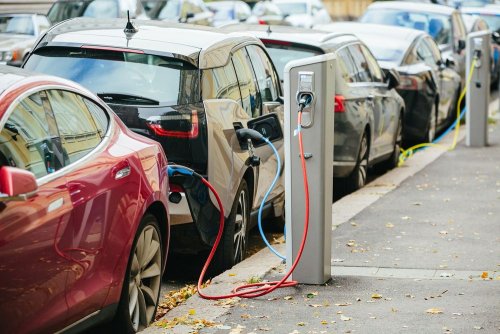
"Alibaba" to achieve carbon neutrality in its operations by 2030

"Alibaba" to achieve carbon neutrality in its operations by 2030 shutterstock
Maria Semenova

By 2035, the company plans to cut emissions by 1.5 gigatonnes

Chinese internet giant "Alibaba Group Holding Ltd." plans to achieve carbon neutrality in its operations by 2030 and to halve emissions across its supply chains.

The company's chief executive officer Daniel Zhang announced the modernisation, the Green Deal portal reports.

"Alibaba" plans to make greater use of renewable energy sources in its data centres and to engage carriers that use electric vehicles. The company expects that by 2030 all the energy it uses will be 100% clean. By 2035, the company plans to cut emissions by 1.5 gigatonnes.

"Alibaba" will help reduce emissions of sellers and buyers who use the company's platform, and will encourage and incentivise environmentally friendly behaviour.

"We will use our unique influence as a platform operator to mobilise action and change the behaviour of consumers, merchants and our partners in China and around the world," Zhang said.

To achieve carbon neutrality, the company will set up a new body to oversee its ESG practices, and the sustainability committee of Alibaba's board of directors will be chaired by independent director Jerry Yang, co-founder of "Yahoo Inc".

As EcoPolitic previously reported, in Britain "McDonald's" opened its first restaurant with zero emissions of harmful substances.
Related
China and Turkey sign $15 billion "green" deal to build solar and wind power plants

In addition to generation, the cooperation envisages the development of energy storage systems

Automotive giant Mercedes-Benz postpones reaching net-zero emissions by ten years

At the same time, the company will replace 10% of its aluminium needs with low-carbon metal

EU industry demands revision of ETS reform to avoid factory closures

The risks include rising energy costs and the closure of enterprises or their relocation outside the European Union

European Parliament wants to weaken transport decarbonisation target

While the EU previously aimed to reach zero emissions from transport by 2035, the European Parliament now proposes making only an 87.5% reduction mandatory