On March 27, the Sustainable Development and Planning Committee of the French National Assembly unanimously adopted a bill to combat "perpetual" chemicals (PFAS).
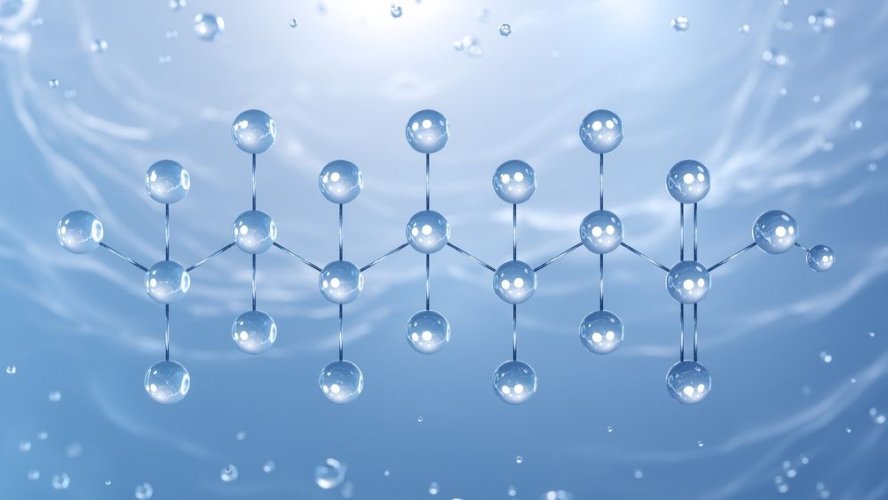
Per- and polyfluoroalkylated substances (PFAS) are widely used in the chemical industry and accumulate over time in the atmosphere, soil, river water, food, and even in the human body, which is why they are called "everlasting" chemicals. These substances can cause serious health problems: liver damage, thyroid disease, obesity, fertility problems, and even cancer, according to Euractiv.
"The battle is not yet won, but today we have won the first victory against PFAS," French politician and environmentalist Nicolas Thierry said in a press release after the vote.
The draft law consists of three articles:
The first article provides for a ban on the production, import, export and marketing of products (kitchen utensils, ski wax, cosmetics and clothing) containing PFAS from 2026, as well as a general ban on all other textiles in 2030.
The second article provides for the inclusion of PFAS in drinking water monitoring parameters.
The third article imposes a tax on producers who release 100 g or more of PFAS into the environment. This main principle of the environmental policy of the European Union is called "the polluter pays".
According to Marie Toussaint, head of the French Greens list, cleaning up PFAS will cost Europe 238 billion euros a year.
"This legislative victory is the result of transparent work and a shared determination to deal with this unprecedented health care scandal. It is now up for a floor vote on April 4. If it passes, the Senate will pass the law. I count on the support and mobilization of all other political groups," added Nicolas Thierry.
In 2020, the European Commission is known to have published a "Strategy for the Sustainable Development of Chemicals" aimed at phasing out PFASs unless they are proven to be "necessary for society", but no action has yet been taken.
In January 2023, Denmark, Germany, the Netherlands, Norway, and Sweden submitted a proposal to the European Chemicals Agency to limit PFAS.
However, Thierry emphasized that this initiative requires a long decision-making process and, in the most favorable scenario, can only be completed by 2027-2028.
As Ecopolitic previously reported, the European Parliament and the Council of the EU have reached a preliminary agreement on a regulation on packaging and its waste, which, among other things, provides for the ban on certain formats of single-use plastic packaging from 2030.