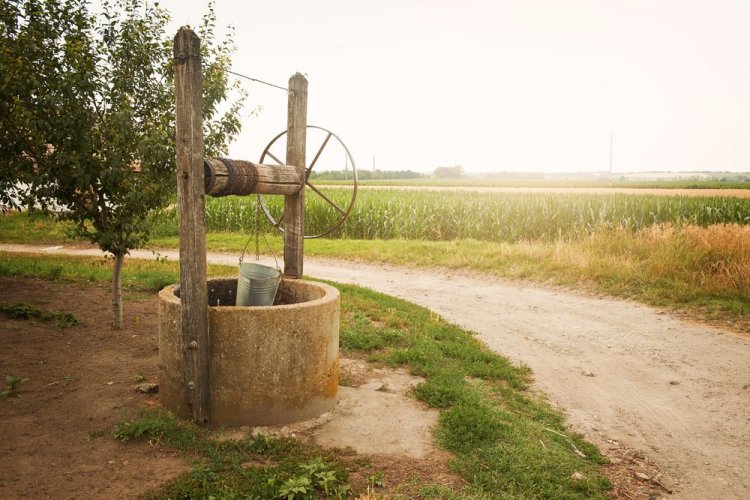
Nitrate contamination was found in 70% of wells in Hlukhiv district, Sumy region, and cases of water contamination in centralized water supply wells in rural settlements have begun to be registered.
This was reported by Maryna Matvienko, a doctor at the Sumy Regional Center for Disease Control and Prevention, on Facebook.
She urged people to monitor the quality of water, especially the water used by children. After all, such pollution can cause water-nitrate methemoglobinemia in children under three years of age.
"Control the water quality of your individual wells. Ask the supplier for information about the water quality of the centralized water supply. Do everything to prevent nitrate poisoning of children," she stressed.
As is known, in due to nitrate poisoning in children, the content of methemoglobin in the blood increases. This leads to oxygen starvation, disorders of the liver, nervous and cardiovascular systems, and death is possible.
It is worth noting that the main source of nitrates in water is fertilizers that are washed off the fields.
Earlier, EcoPolitic wrote, that in 2023 in the Rivne Region, an excess of nitrates was found in 30% of wells, as well as non-compliance with the standard requirements in about 15% of water samples from centralized networks and non-compliance with microbiological indicators in 5%.
Previously, EcoPolitic analyzed the negative consequences for the environment and human health caused by the growth of use of mineral fertilizers and pesticides.