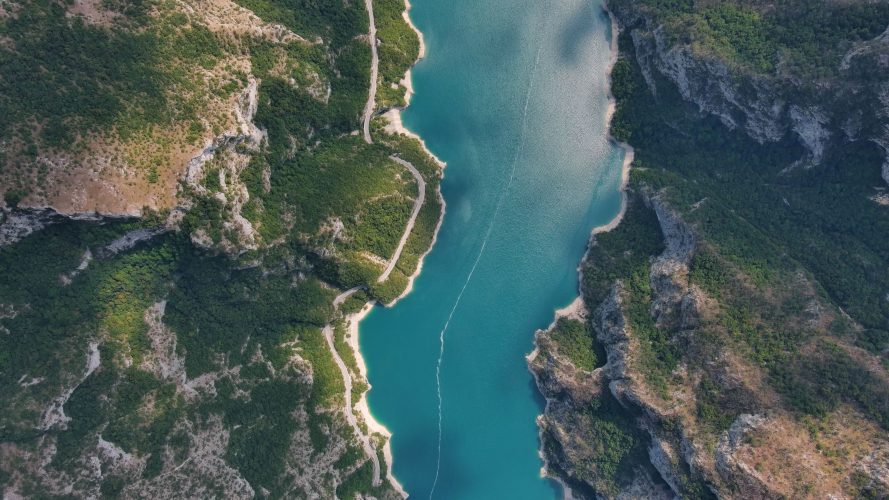
Freshwater reservoirs around the world are contaminated with "forever chemicals", a group of more than 10,000 synthetic compounds that do not break down in the natural environment for a long time. However, the pattern of contamination varies considerably: in some places there are more PFAS in the water, in others in the fish. At the same time, the origin of the pollution also differs across continents. In some places wastewater alone is enough, while in others the compounds are already circulating in the ecosystem.
This is shown by a new study published by the European Commission's Directorate-General for Environment.
Specifics of accumulation
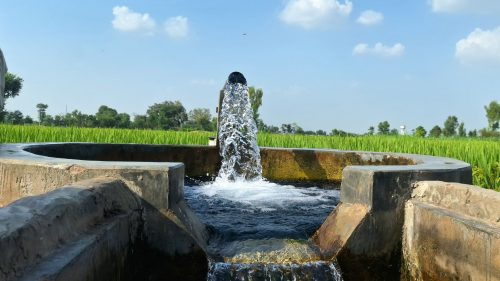
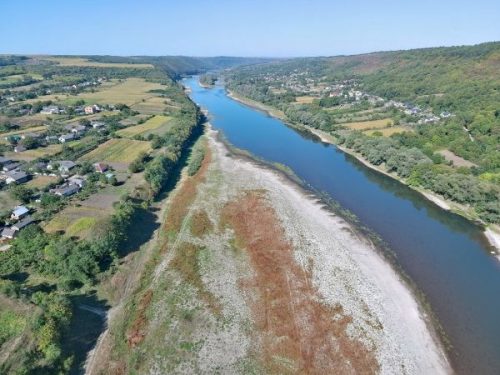
Artificial water bodies are in themselves a favourable environment for the accumulation of harmful substances. By their nature, they fragment natural river networks, which disrupts water flow and the removal of substances downstream.
This is of particular concern because it is artificial water bodies, primarily reservoirs, that people use as a source of drinking water.
Scale of the study
The researchers wanted to find out how PFAS contamination occurs at different scales, from global to local, within a specific reservoir. To this end, data were collected from 74 artificial water bodies on five continents. The scientists used a method that helped identify patterns, including in the sources of pollution and gaps in data collection.
Different continents, different picture
It turned out that PFAS are widespread everywhere on the planet, but their distribution is uneven. This may reflect the specifics of PFAS monitoring in different countries, as well as their use, regulation or waste management.
For example, in Europe the search for PFAS focuses more on sediments, in North America on fish, and in Asia on surface waters.
Here are some of the key trends identified by the researchers:
- fish tissues in Europe showed the highest capacity to accumulate PFAS;
- in Asia, PFAS are most frequently detected in surface waters worldwide;
- African reservoirs had relatively high concentrations of the 14 most frequently recorded "forever chemicals". Overall, unexpectedly high levels of pollution were found in Africa, even though the number of reservoirs analysed there was the smallest due to monitoring gaps.
How PFAS contaminate water bodies
The study identified three key patterns by which PFAS contaminate water bodies:
- Early stage. It occurs primarily through the discharge of wastewater and industrial effluents. It most often contains perfluorooctanoic acid. This type was found on all five continents, with lower concentrations in fish and water.
- Persistent pollution. It comes from mixed sources and most often contains perfluorooctanoic acid and perfluorooctane sulfonate. It was found mainly in Asia and is associated with industrial zones and urban runoff. The study showed elevated levels in water, sediments and fish.
- Long-term pollution. Perfluorobutanoic acid (PFBA) predominates here. The chemicals enter through atmospheric precipitation, industrial discharges and the recirculation of chemicals. This pattern was mainly observed in Europe and eastern China. The highest contamination was found in fish.
EcoPolitic previously reported that the level of environmental pollution with "forever chemicals" in the EU is steadily rising and by 2050 could cost the bloc about €440 billion.
These substances are linked to certain types of cancer and infertility. More information is available here.