Steel producers have found a way to avoid the coming crisis from the green transition in the EU

Steel producers have found a way to avoid the coming crisis from the green transition in the EU shutterstock
Katerina Belousova

Due to the construction of the DRI plant, the cost of a ton of steel will increase by approximately €50

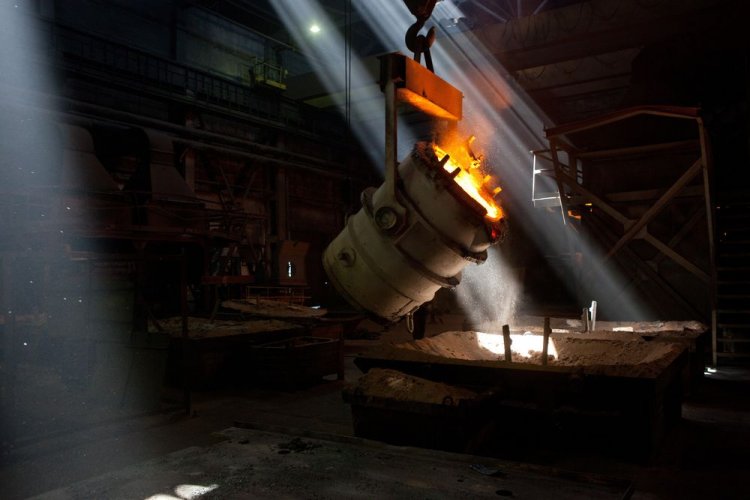
European steelmakers are planning to revive some outdated steel mills to produce green steel to avoid the burden of paying the full cost of carbon dioxide emissions from 2034.

The payment of emission quotas could increase the cost of each metric ton of steel produced in blast furnaces by €200, which is almost 30% of the current price, the Financial Times reports.

It is noted that the complete transition of the steel industry to environmentally friendly steel production risks worsening their competitive position. However, it increases the attractiveness of investments in green technologies, in particular in electric arc furnaces for scrap metal processing and direct reduction units.

The article emphasized that the construction of a DRI plant, i.e. a green steel plant with an annual capacity of 2 million tons, would cost several billion euros. However, this will increase the cost of a ton of steel by about €50.

The FT emphasized that the Italian industry association has called for subsidies to support the steel plant, formerly known as Ilva. In Germany, Thyssenkrupp received €2 billion in support, and ArcelorMittal will receive €850 million in France.

Earlier, EcoPolitic wrote, that Norwegian manufacturer of decarbonized steel Blastr Green Steel plans to build a DRI-plant with green hydrogen production in Inkoo, Finland.

As EcoPolitic previously reported, specialists of the EUROFER company developed a map of 60 key European steel projects with low carbon emissions, reflecting their emission reduction potential, financing and energy needs.
Related
The EUDR "forest" regulation has been postponed for a year. What does this mean for Ukraine?

The implementation of the requirements of the regulation on logging for large operators was to start on December 30, 2025

Plus 42 days of summer: scientists predict an increase in the heatwave period in Europe

Europe is warming faster than anywhere else in the world. By the end of the century, summer here will last up to eight months

More than 30% of new materials in the Netherlands are recycled products. The EU average is 12%

The country with the lowest circularity rate is Romania, with a coefficient of 1.3%

European Commission report on Ukraine: positives and shortcomings of environmental legislation

Ukraine received its highest score in the European Commission's report, along with a set of recommendations on harmonizing national legislation with European standards