According to the International Energy Agency (IEA), in 2023, global renewable energy capacity increased by 50% from the level of 2022, i.e. to 510 GW.
This growth has become a record over the past 20 years, although it has been going on for 22 years, the Guardian reports.
The IEA emphasized that this growth could help the world achieve its climate goals by 2030.
The "impressive" growth offers a "real chance" for world governments to meet the pledge agreed at the COP28 climate talks in November, to triple renewable energy capacity by 2030 to significantly reduce fossil fuel consumption," the Agency added.
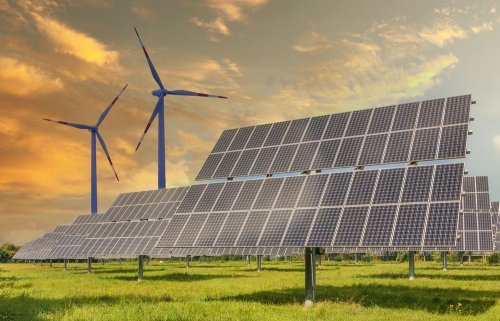
It is noted that solar capacity provided three quarters of the growth of RES. Most of them were installed in China, despite the reduction of subsidies.
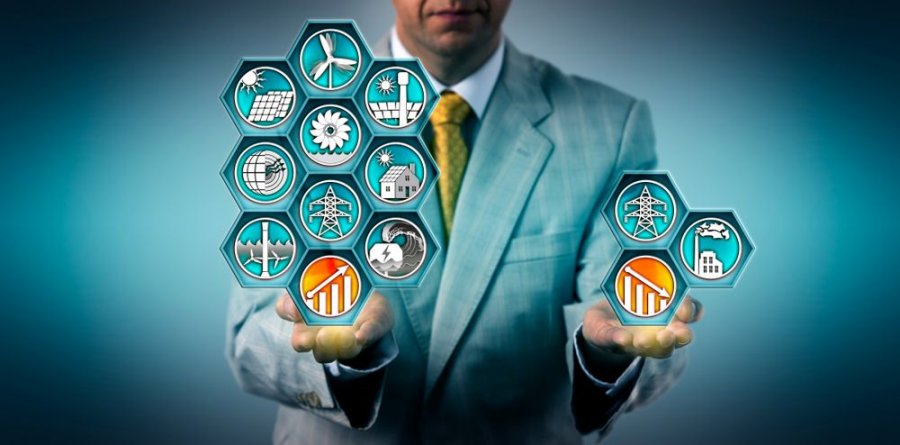
According to the IEA, record growth rates in Europe, the US and Brazil have allowed green energy to overtake coal as the largest source of global electricity generation by early 2025. According to forecasts, by 2028 renewable energy sources will account for more than 42% of global electricity production.
The report emphasized that at the COP28 climate conference, about 120 countries agreed to triple their renewable energy capacity by 2030. Such a solution, along with doubling energy efficiency, reducing methane emissions, transitioning away from fossil fuels and increasing funding, is designed to prevent dramatic global warming.
However, IEA executive director Fatih Birol noted that the current rates of renewable energy development will not ensure the achievement of a tripling of capacities.
"We're not there, but we're not a million miles away," he said. "And governments have the tools they need to close the gap."
The report said Birol played down concerns that the rapid cost increases faced by wind turbine developers in the US and Europe would hamper the industry's long-term growth. After all, a combination of higher interest rates and supply chain costs has forced some developers to cancel large offshore wind projects and raised concerns about the future of the technology.
Earlier, Ecopolitic wrote, that the International Energy Agency has warned that the commitments made at the COP28 climate conference are not enough to limit global warming to 1.5°C, even if they are fulfilled.
As EcoPolitic previously reported, a study by leading climatologist James Hansen showed that emissions from burning fossil fuels and the El Niño climate phenomenon will lead to an increase in temperatures by 1.7°C as early as May 2024.