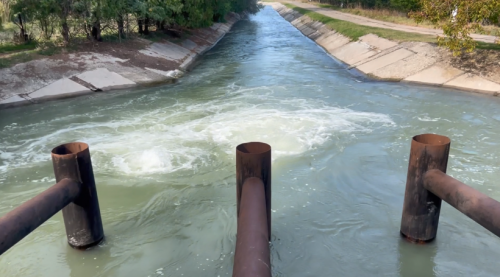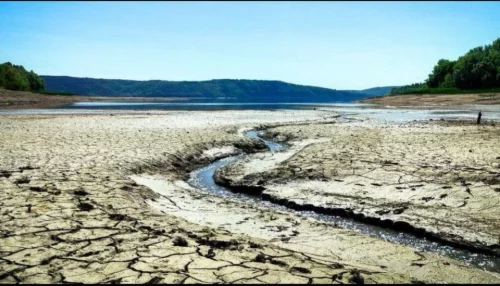
Water levels in the Panama Canal, which connects the Pacific and Atlantic oceans, have fallen to dangerously low levels due to a historic drought amid climate change.
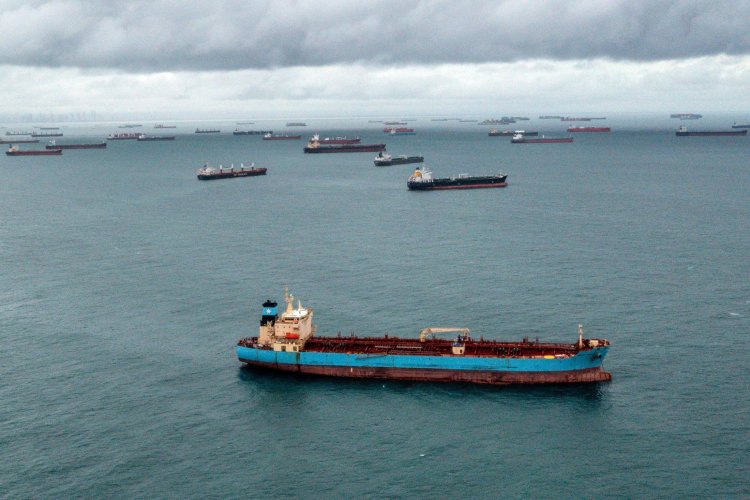
This slows down world trade, as the canal administration has limited the number of ships that can cross it to about 32-38 and forced them to take less cargo, reports Bloomberg.
The canal authority is said to have approached the US Army Corps of Engineers to develop a plan to divert the rivers to Gatun Lake, the main source of water for the lock system. The lake has long suffered from erratic rains in what is normally one of the wettest countries in the world. Now El Nino weather conditions threaten to further lower water levels.
The report said Wall Street traders had been selling Panamanian government bonds for several days, making them among the worst performing in Latin America. Over the past month, the stock has lost 3.3%, roughly double the average fall in government bonds in the region.
"For investors, the long line of cargo ships anchored at the mouths of the 50-mile canal was confirmation that the effects of climate change are catching up with the canal and the economy," Bloomberg said.
According to forecasts, the drop in traffic will reduce the channel's revenues by approximately $200 million. In 2022, they reached $4.3 billion.
"The problem is that there is no short-term solution — unless Mother Nature helps and the water levels rise," said Fernando Losada, managing director of fixed income at Oppenheimer & Co.
He added that Panama can remedy the situation with infrastructure investments. However, it takes time.
As reported EcoPolitics earlier, in 2022 Europe suffered from drought, which turned out to be the strongest in the last 500 years. The water level in the rivers dropped so much that the so-called hunger stones came to the surface, predicting a bad harvest and famine, and the operation of river transport in some areas became impossible.