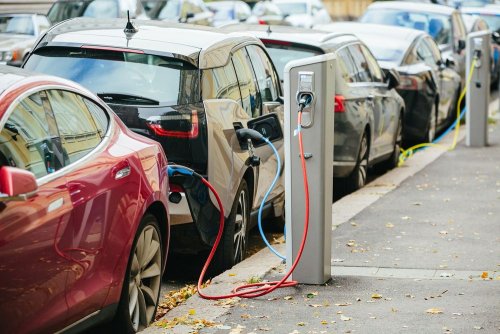
The EU Council adopted new rules to reduce final energy consumption at the block level by 11.7% by 2030, compared to forecasts made in 2020.
The upper limit of final energy consumption in the EU will reach 763 million tons of oil equivalent and 993 million tons of oil equivalent for primary consumption, reports the
It said the consumption cap for final consumption would be binding on collective member states, while the primary energy consumption target would be indicative.
The message explained that final energy consumption represents energy consumed by end consumers. Primary energy consumption also includes what is used to produce and supply energy.
The press service emphasized that all member states will contribute to the achievement of the common goal of the bloc. They will set indicative national contributions and target trajectories in their integrated national energy and climate plans (NECPs). Countries were due to submit updated NECPs in June 2023 and final plans in 2024.
It is noted that the formula for the calculation of national contributions to the goal (defined in Annex I to the proposal) will be indicative with a possible deviation of 2.5%. It is based on energy intensity, GDP per capita, development of renewable energy sources and energy saving potential. The European Commission will calculate whether all contributions are equal to the target of 11.7%. If they do not meet the goal, the EC will make corrections without using the formula.
The message emphasized that the annual energy savings target for final energy consumption will gradually increase from 2024 to 2030. Member States will deliver new annual savings of an average of 1.49% of final energy consumption during this period. The country should achieve a savings rate of 1.9% by December 31, 2030.
The press service explained that member states can include in the calculation of the goal the saved energy as part of the implementation of:
- the updated Directive on the energy efficiency of buildings;
- measures resulting from the EU emissions trading system;
- emergency energy measures.
“The new rules set specific obligations for the public sector to achieve an annual reduction in energy consumption of 1.9%, which may exclude public transport and the armed forces. In addition, member states are obliged to renovate at least 3% of the total area of buildings belonging to state institutions every year," the message said.
It is noted that the new rules are part of the implementation of the Fit for 55 package and the REPowerEU plan. They will be published in the Official Journal of the EU and will enter into force in 20 days.
Еhe European Commission, the European Parliament and the Council of the EU stated that the energy crisis forced the authorities to introduce new measures for rapid reduction of electricity demand.
As EcoPolitic previously reported, a study by the International Energy Agency (IEA) showed that electricity demand in the EU in 2023 will fall by 3% to the lowest level in twenty years.