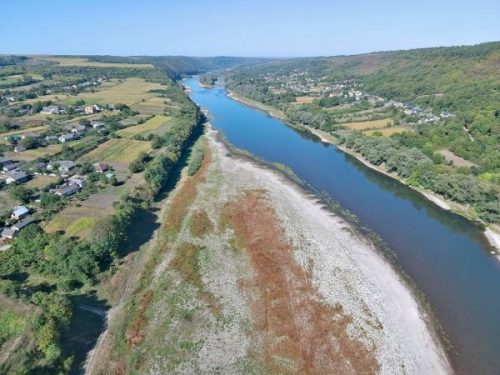
According to OSINT researchers, the environmental and economic consequences of the destruction of the Kakhovskaya HPP can be equated to the consequences of using tactical nuclear weapons of 5-10 kilotons.
The factors of such destruction are actually identical to a nuclear explosion without radiation contamination, informs InformNapalm on Telegram.
"According to the Geneva Convention (Article 56 of Additional Protocol I of 1977), actions related to the destruction of dams are a war crime and can be equated to the use of weapons of mass destruction," the message reads.
The researchers emphasized that the consequences of blowing up the Kakhovskaya HPP, similar to a nuclear explosion, include:
- population evacuation;
- destruction of enterprises and objects with harmful and poisonous substances, in particular chlorine, ammonia, petroleum products, etc.;
- destruction of the infrastructure of water supply, sewage and electricity supply;
- collapse of food and medical logistics;
- pollution of part of the Black Sea water area, etc.
Earlier, EcoPolitic wrote, that at least 150 tons of engine oil got into the Dnipro River due to the explosion of the Kakhovskaya HPP, and there is also a risk of further leakage of more than 300 tons.
As EcoPolitic previously reported, on the night of June 6, the Russian occupiers blew up the dam at the Kakhovskaya HPP. This threatens the stable operation of the Zaporizhzhya NPP, the lack of drinking water supply in southern Kherson Oblast and Crimea, and may also destroy a number of ecosystems.