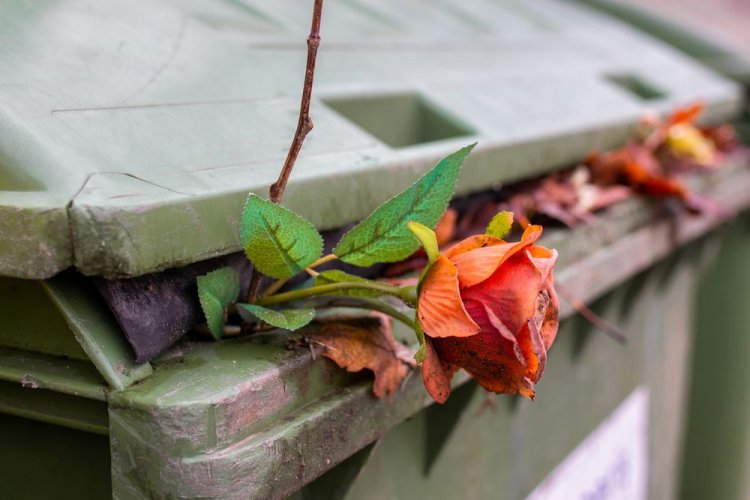
Ukrainians are demanding a ban on the sale and distribution of plastic flowers, including placing them in cemeteries.
A corresponding petition was registered on the website of the President of Ukraine, in which the problem of plastic flowers was called no less important than the ban on plastic bags.
"Every year, before Easter, Ukrainians buy artificial flowers for cemeteries, which, after losing their aesthetics, they throw away and buy new ones," the author of the appeal, Tetyana Klymchuk, emphasized.
It is noted that such plastic is not recycled, but only pollutes the environment, decomposing for 100-500 years.
The petition emphasized that Ukrainians continue to pollute the environment despite the colossal damage to the environment from Russian aggression.
Earlier, EcoPolitic wrote, that the members of the Professional Association of Ecologists of Ukraine called on the local authorities to adopt appropriate decisions on banning the use of artificial decorations in cemeteries. Plastic wreaths and flowers have nothing to do with the expression of faith, but are a tradition that spread in Soviet times.
As EcoPolitic previously reported, in the Volyn region in the Zaturtsivka community, the sale of artificial plastic flowers and other ritual goods made of plastic was banned. Residents are asked not to buy or place plastic flowers at cemeteries.