Germany to spend €22bn to prepare grid for green transition

Germany to spend €22bn to prepare grid for green transition shutterstock
Katerina Belousova

Germany needs to connect industrial south with north wind power

German grid company Amprion plans to invest about €22 billion over five years in its power grid to make it suitable for the transition to renewable electricity.

Germany plans to make the entire energy sector environmentally friendly by 2035, Reuters reports.

The material explained that in order to achieve the country's climate goals, electricity network operators must expand their infrastructure. After all, it is necessary to reach the objects of green energy and connect the industrial south with the northern wind energy. In addition, it will be necessary to connect new electrolysis plants for the production of green hydrogen.

It is noted that the operators' expenses are mainly covered by the network usage fee, which accounts for about a quarter of the electricity bills, and also due to external financing.

Earlier, EcoPolitic wrote, that CEO of Polish power grid operator PSE Tomasz Sikorski said the country needs invest approximately $116.11 billion in transmission and distribution networks, to prepare them for "green" energy.

As EcoPolitic previously reported, the International Energy Agency (IEA) claims that global investments in the power grid should reach $820 billion per year until 2030 to get on track to limit global warming to 1.5°C.

Related
In the EU, €3.4 billion in ETS revenue will be channelled towards decarbonisation projects

According to preliminary estimates, their implementation over the first ten years will reduce emissions by approximately 290 million tonnes

The EU has postponed the update to its environmental legislation until 2027

The reform package should include, in particular, targets for ‘green’ energy and national commitments to reduce emissions

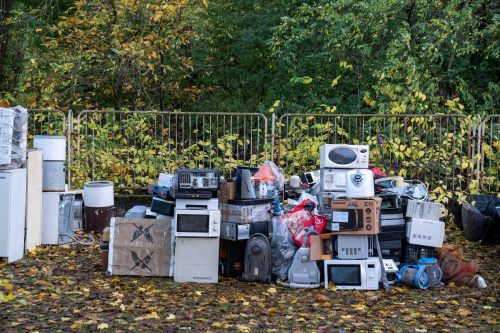
Each EU resident generates 12.3 kg of electronic waste — Eurostat

This is almost a third less than the volume of new equipment released onto the market, which points to a risk of growing waste stockpiles and unreported disposal

Almost 40% of cars manufactured in the EU were electric or hybrid — Eurostat

China consistently leads the way among importers, whilst the United Kingdom leads the way among exporting countries