Following the data of the International Energy Agency (IEA), the global warming in 2022 has grown to a new record value, bringing light to the unsafe level of global warming.
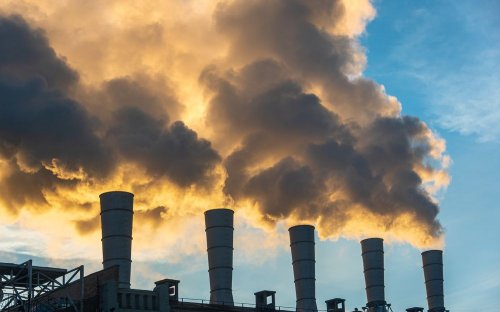
Energy-related quotas grew by 0.9%, up to over 36.8 billion metric tons, but the effects of the energy crisis did not lead to the previous significant increase, according to Bloomberg.
Significantly, the most growing growth in the markets of Asia, which are developing, is significant in the world, the winds of coal power plants. The protege of the largest growth has gone far away to the end of the fall of industrial production in China and Europe.
“The effects of the energy crisis have not led to a significant increase in global wikis, which we feared,” said Fatih Birol, IEA Vice Director.
The report highlighted that emissions in the European Union fell by 2.5% as a mild winter reduced demand for heating and a sharp rise in natural gas prices forced industry to shut down production.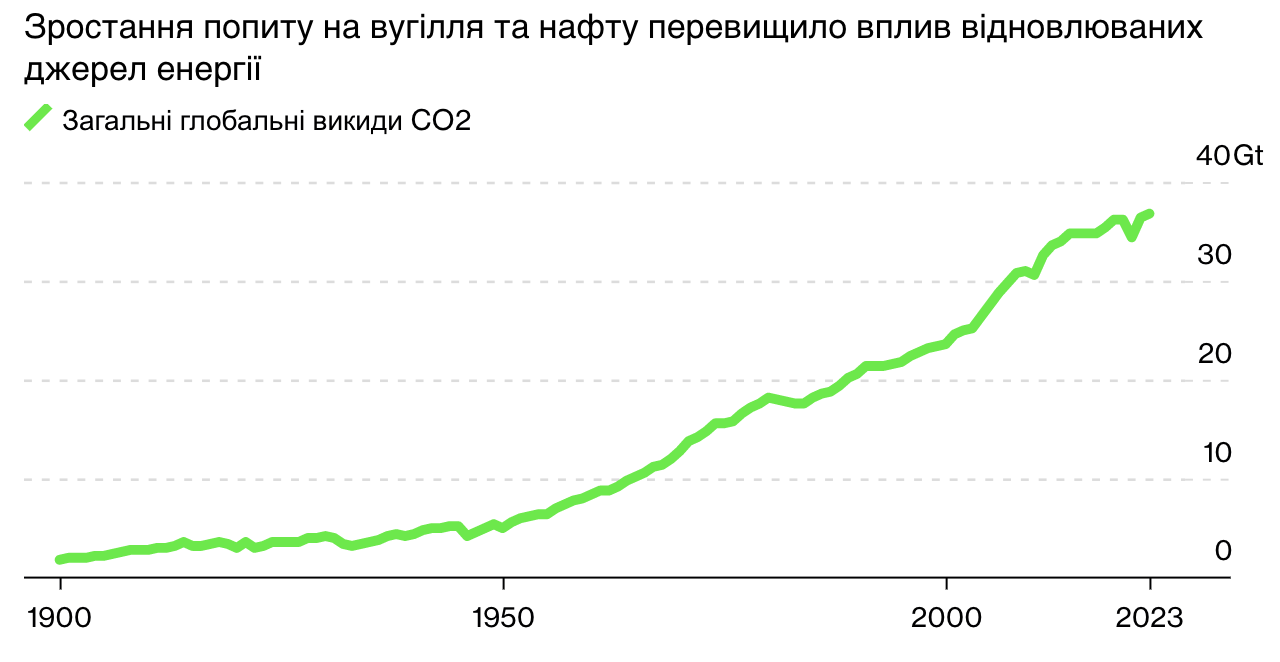
Significantly, wikis to China, the largest wiki on wikis, have changed by 0.2%. Even if the economic growth is weak, the everyday life is uplifting and come in, while streaming the expansion of Covid-19, the energy has gone over the top.
The authors added that in the United States, wikis grew by 0.8%, but the extremely cold weather on the cob turned the drink to a scorch.
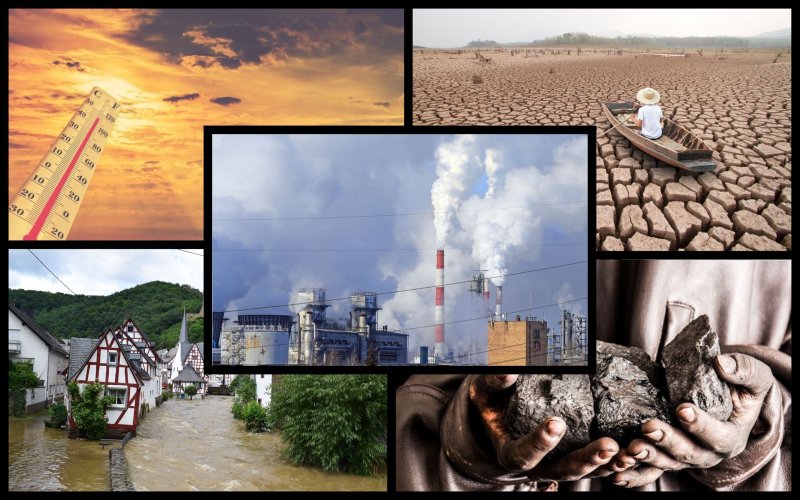
"Extreme weather phenomena have sunk in about a fifth of the minuloric growth of the wikidisc. In rich lands, you will drink for cooling, and this trend, imovirno, save yourself, the rocks of the climate change will break the heat of the climate with more intense parts," goes into the materials.
Earlier, EcoPolitic wrote, that the research of climatologists for the help of piece intelligence showed that the world will not get warmer by 1.5°C, which will become between 2033 and 2035 fates.
As EcoPolitic reported earlier, scientists showed that in the Thwaites ice rink in Antarctica, which is called the Doomsday ice rink, deep cracks and veins are established with a significant speed.