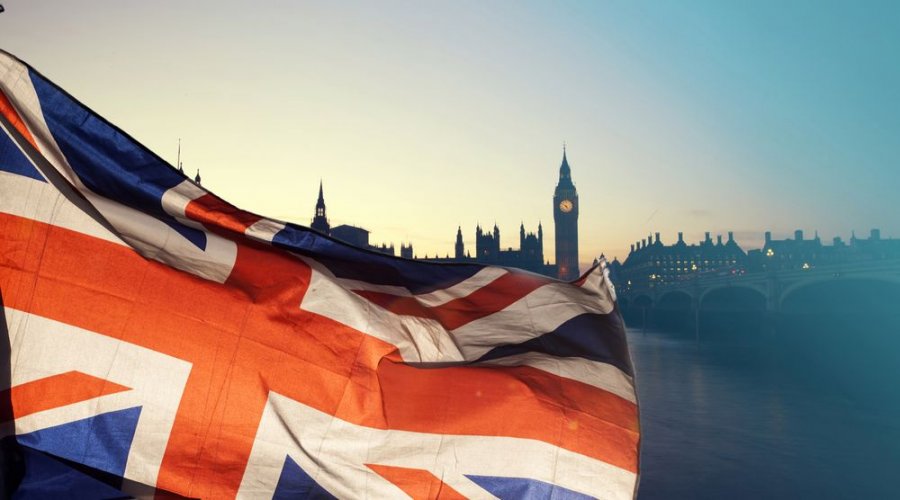
United Kingdom is considering introducing its carbon tax on imported steel, which is similar to the European carbon border adjustment mechanism (CBAM).
The tax is designed to protect the British metallurgical sector, reports The Institute of Export.
It said the levy would be part of a $743 million support package for Britain's two biggest steelmakers, British Steel and Tata Steel UK. This fund should help them invest in green technologies while avoiding thousands of job cuts.
The report highlighted that the initiative came amid concerns that steel made overseas with lower environmental standards could be imported into the UK at lower prices than domestically produced steel.
In the EU, CBAM will cover imports of steel, iron, cement, aluminum, fertilizers, electricity and hydrogen. Its implementation will begin on October 1, 2023, when companies will have to report emissions in their supply chains. The pricing mechanism will be fully operational from 2026.
IOE&IT customs and trade specialist Jane Tate said companies with supply chains or subsidiaries in the EU should start preparing for the new rules now.
"UK firms with subsidiaries in the EU that import goods covered by the CBAM rules need to understand what they will need to do to monitor, verify and report production emissions," she said. "Reporting standards are not yet defined by the EU, so traders should make sure to keep checking for updates."
The authors said that the UK government plans to consult with industry about introducing a similar mechanism in the UK.
"The government should also consider how to minimize upward pressure on carbon prices, for example when it sets a net zero sequential cap for the Emissions Trading Scheme (ETS) or the long-term role played by carbon price support," said Chris Skidmore MP .
The article emphasized that research by the social organization Behavioral Insight Team showed that the majority of Britons consider it necessary to extend the carbon tax to such goods as:
- clothes and electronics – 70% of respondents;
- red meat and dairy products – 53% of respondents.
The authors emphasized that the UK has its own ETS emissions trading system since January 1, 2021. It raises the climate ambitions of Britain's carbon pricing policy, while reducing the risk of carbon leakage through free allowances.
Earlier, EcoPolitic wrote, that entrepreneurs were called align their business models with the new EU carbon tax requirements (CBAM), which will come into force from 2023.
As EcoPolitic previously reported, the EU has moved closer to its 2030 climate targets thanks to changes in the emissions trading system block (EU ETS), as well as carbon border adjustment mechanisms (CBAM).