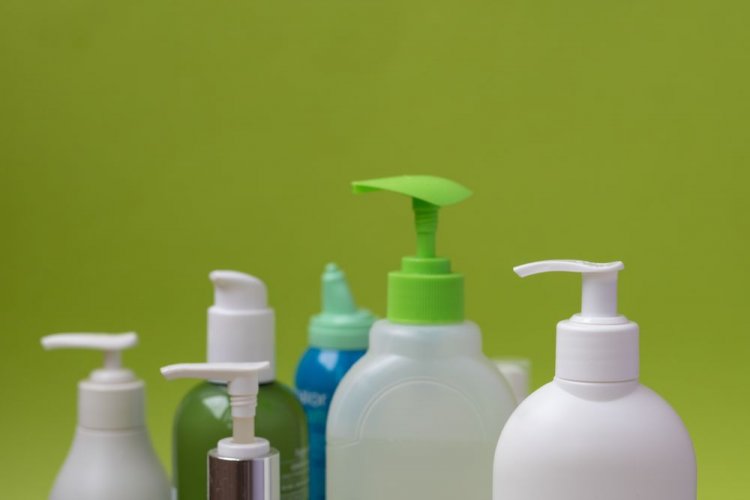
The European Commission proposed to ban the use of miniature bottles of shampoos, lotions, shower gels, etc. in European hotels to reduce plastic waste.
Every year, each European country produces almost 180 kilograms of plastic waste, and in 2023, its amount is expected to increase by 46%, reports SchengenVisaInfo.com.
The article emphasized that hotels must now use reusable bottles, or guests will have to bring such products with them.
It is noted that packaging is one of the main uses of plastic materials, with 40% of plastic and 50% of paper used in the EU going to packaging.
"The new changes are aimed at stopping the increase in waste, as well as encouraging consumers to choose reusable packaging and reduce excessive packaging," the authors explained.
They stressed that the move is part of the European Green Deal's Circular Economy Action Plan, which aims to make sustainable products affordable and the new norm and packaging recyclable within the next 8 years.
The article highlighted that service providers in various industries plan to offer a number of their products as reusable alternatives to encourage the reuse of packaging. In particular, this will apply to e-commerce or takeaway drinks.
In addition, it is planned to ban single-use packaging for:
- drinks and food;
- fruits and vegetables;
- miniature toiletries in hotels.
"For the industry, they will create new business opportunities, especially for smaller companies, reduce the need for primary materials, increase Europe's recycling capacity and make Europe less dependent on primary resources and external suppliers. They will put the packaging sector on the path to climate neutrality by 2050 year," says the report of the European Commission.
It is noted that this proposal will be discussed in the European Parliament and the Council of the EU before it is implemented.
Earlier, EcoPolitic wrote, that a report by environmental group Oceana found that the world's largest Internet company Amazon generated more than 97 million kilograms of plastic packaging waste in 2021, with which you can wrap the Earth more than 800 times.
As EcoPolitics previously reported, global zero-waste packaging market is valued at $1,431.93 million in 2021 and is expected to grow at a CAGR of 9.4% during the forecast period (2021-2028) to reach $2,415.9 million.