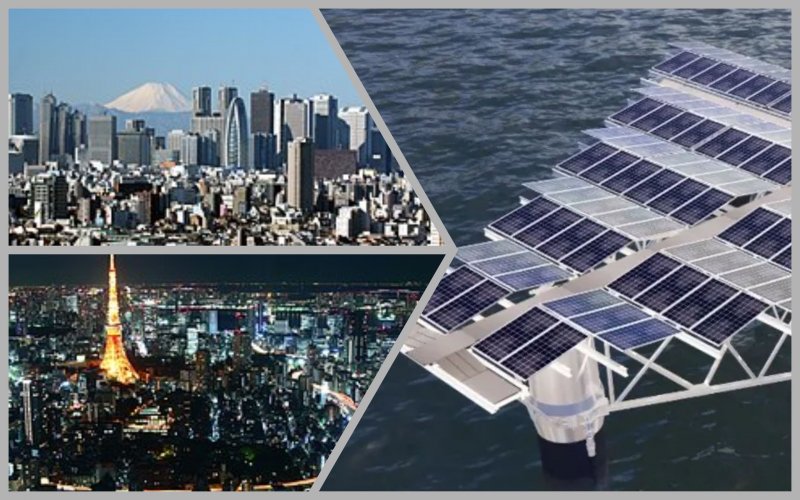
In Japan, they plan to build the first marine floating solar power plant 88 kW in Tokyo Bay as part of the ESG Tokyo Bay project.
In Tokyo, they want to create a unique energy urban model, which will eventually make a metropolis completely energy independent, reports Interesting Engineering.
The solar farm will be built by a consortium of Dutch-Norwegian floating photovoltaic company SolarDuck together with Tokyu Land Corporation and Everblue Technologies Inc.
Construction will be completed by the first quarter of 2024.
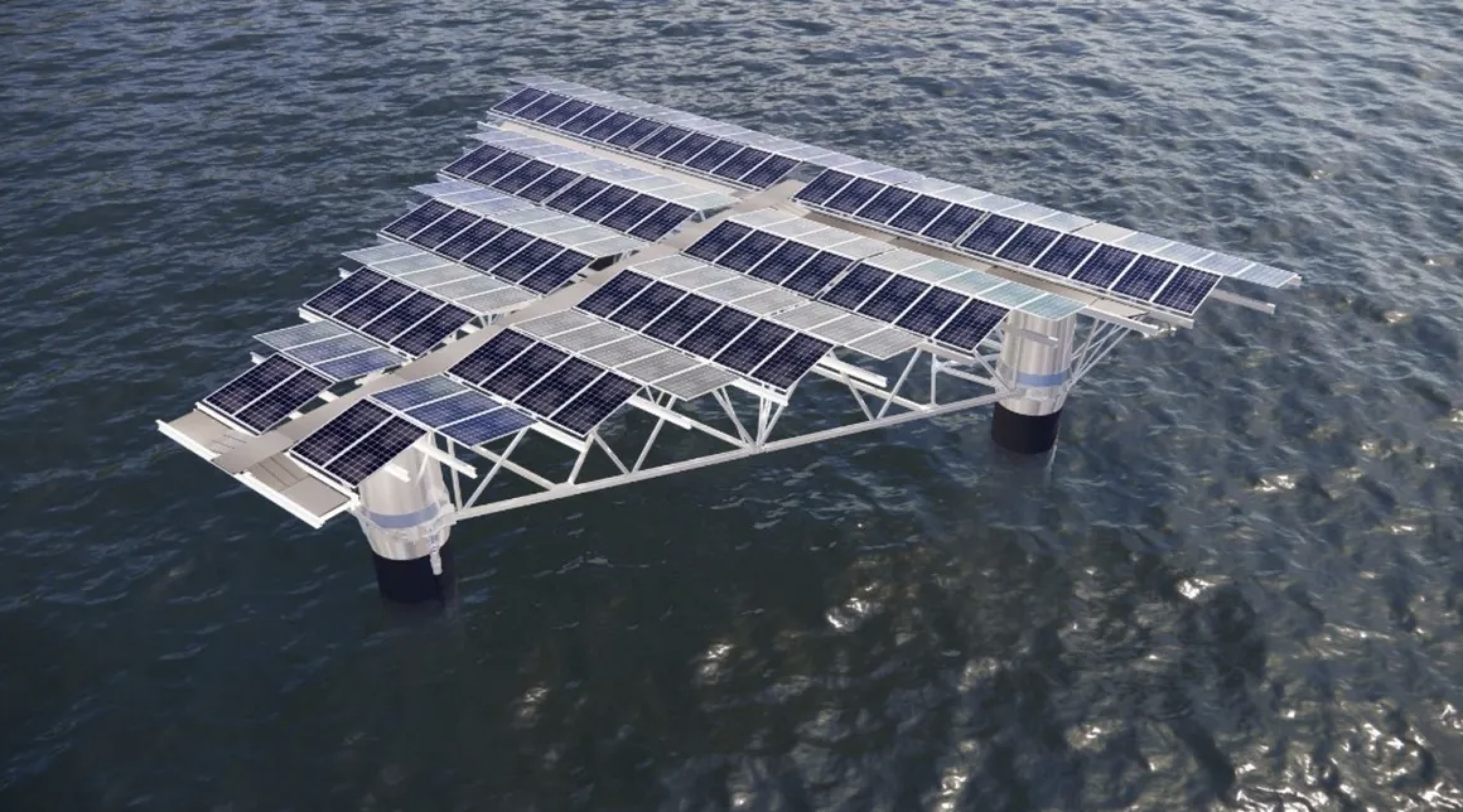
Solar panels will store energy, and special drones will deliver batteries to the shore and back.
"The Tokyo Bay eSG project aims to build a sustainable metropolis that will last 50 to 100 years, incorporating advanced renewable energy sources, next-generation mobility, environmental improvement, and resource recycling in the central breakwater region,” the material says.
The consortium noted that Tokyo, the main area of energy consumption, depends on the transmission of electricity from the suburbs. The achievement of energy production and maritime transport in the bay area will contribute to the realization of a unique urban model.
Earleir, EcoPolitic wrote, that the US Army launched a large floating solar array Floatovoltics (FPV) at the nation's largest domestic military base in North Carolina.
As EcoPolitic previously reported, the European Commission officially launched the EU Solar Photovoltaic Industry Alliance, to resume its own production of solar power plant cells.