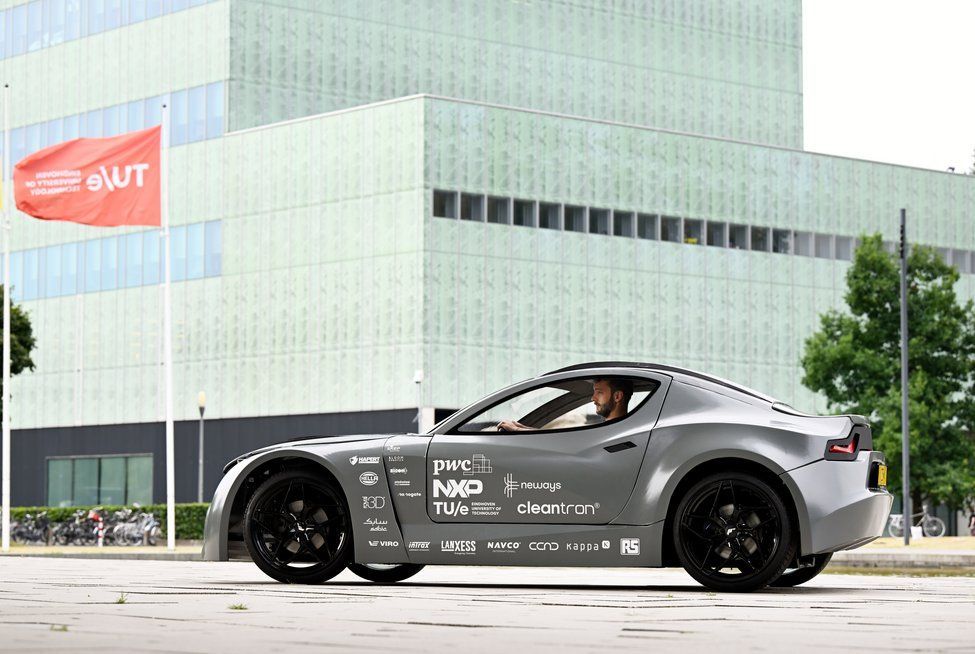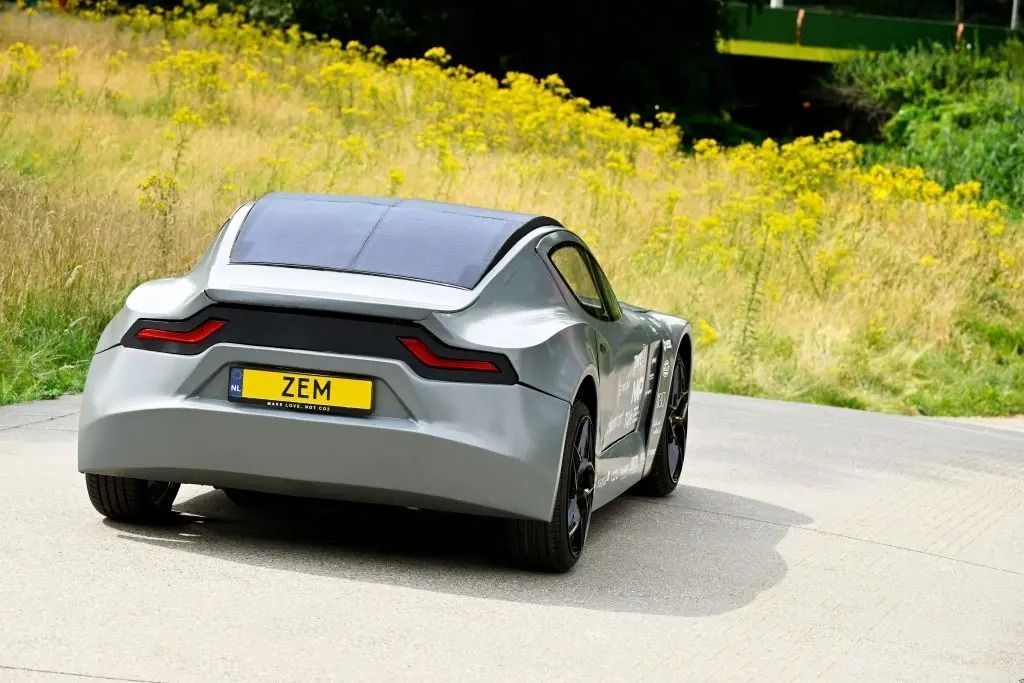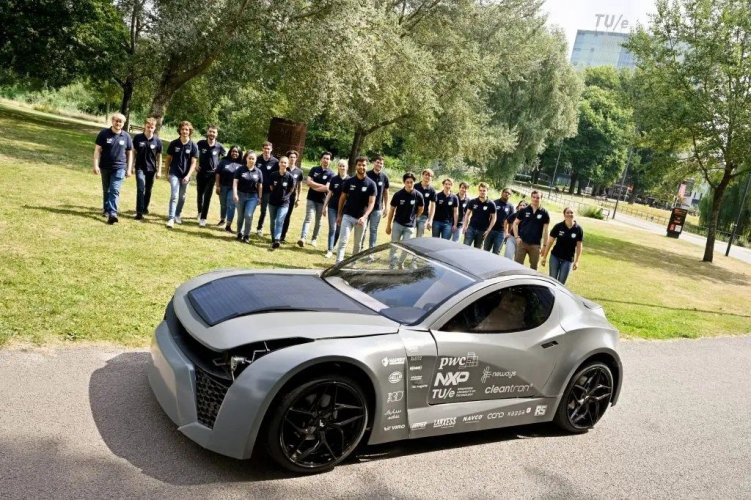
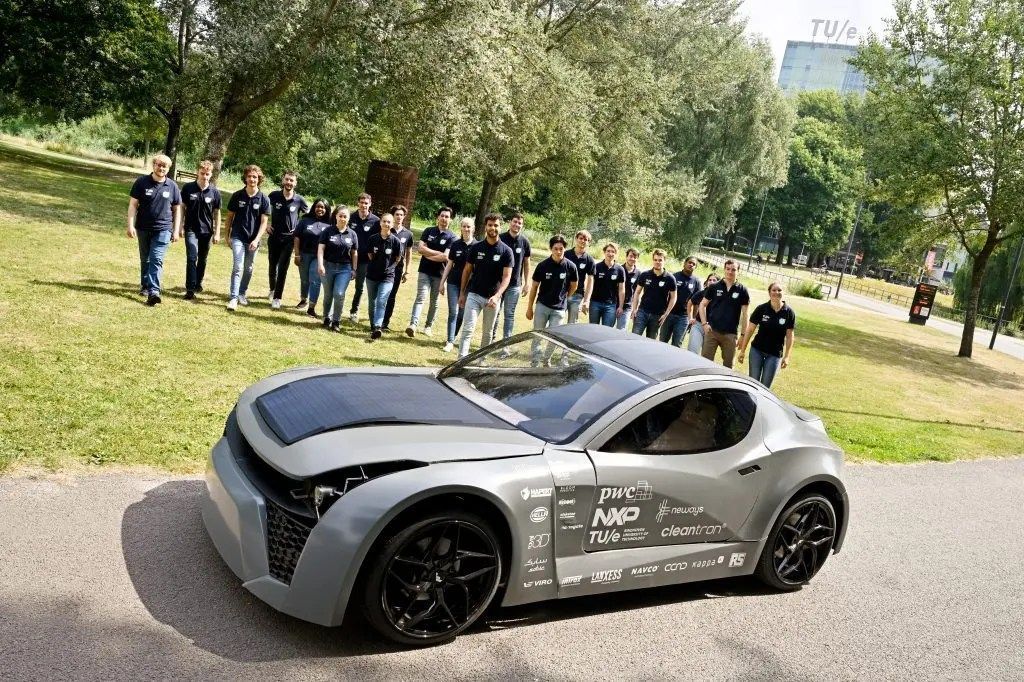
An electric car that absorbs carbon is created in the Netherlands. Photo

An electric car that absorbs carbon is created in the Netherlands. Photo facebook.com/minenergoUkraine
Katerina Belousova

Recycled plastic and pineapple leaf skin are used in the car's interior

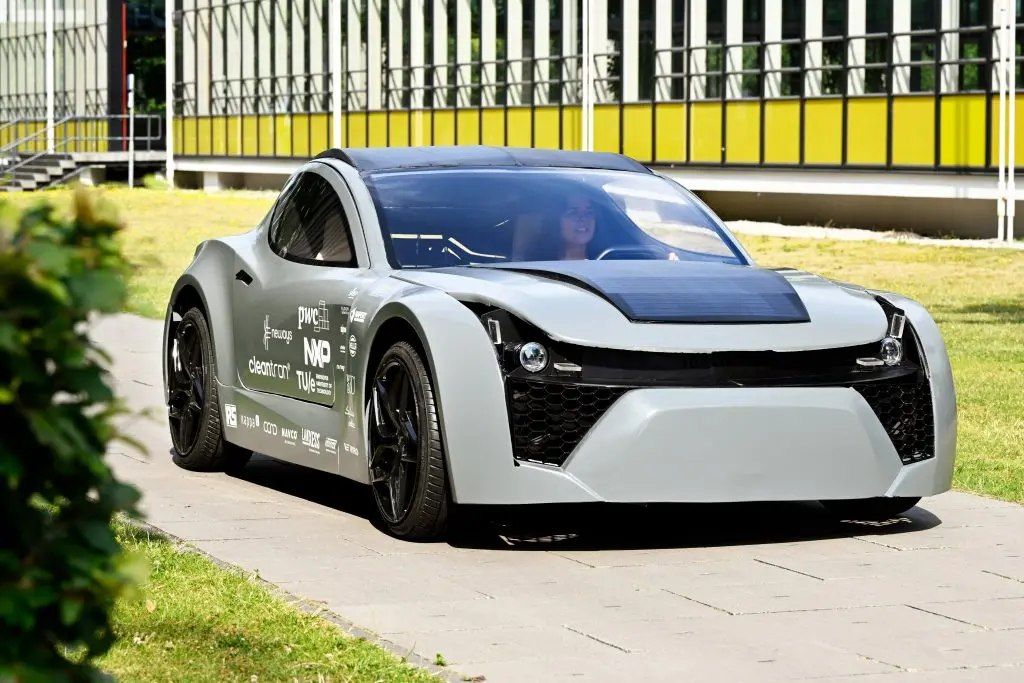
In the Netherlands, scientists from the Technical University of Eindhoven created a prototype of the Zem car, which is capable of absorbing 1 kg of carbon for every 16 thousand kilometers of mileage.

The car absorbs more carbon than it produces and has a regenerative braking system that also allows the battery to be charged, the Ministry of Energy reports on Facebook.

The article emphasized that 10 such electric cars will do approximately the same job of cleaning the environment as one tree. Zem captures air and cleans it through a special filter.
facebook.com/minenergoUkraine

facebook.com/minenergoUkraine

facebook.com/minenergoUkraine

facebook.com/minenergoUkraine

In addition, the electric car has modular lighting and electronics that can be reused in other products. And the cabin uses recycled plastic and "skin" made of cellulose fibers of pineapple leaves.

The inventors are currently working on improving their invention before presenting it to industrial car manufacturers.

Earlier, EcoPolitic wrote, that the Dutch company Lightyear created the first in the world solar electric car, which will have an additional range of 70 kilometers from the sun.

As EcoPolitic reported earlier, in Ukraine they are creating an electric car, a class A passenger car, with quick battery replacement.


Related
There is no ideal candidate for NETS: experts’ views on the proposed draft laws

Spoiler: the experts do not have a single clear favourite, but their list of necessary improvements turned out to be fairly unanimous

ETS in Ukraine: a detailed analysis of all draft laws, without any unnecessary commentary

Four draft laws, one carbon market and billions in future revenue: we break down who stands to gain what

Technology developed by Swiss scientists could turn cement plants into CO₂ capture facilities

Capture efficiency is estimated at 85–96 per cent

The Decarbonisation Fund has already allocated 2.2 billion hryvnia to low-carbon projects

Their combined climate impact is an annual reduction in CO₂ emissions of 47,000 tonnes