Eco-houses with solar panels for people who lost their homes due to the Russian military aggression will be installed in Bucha, which has suffered from the Russians in the Kyiv region.
The experimental project of temporary housing from the Khatynka Charitable Foundation was reported on the Facebook page of the Bucha City Council.
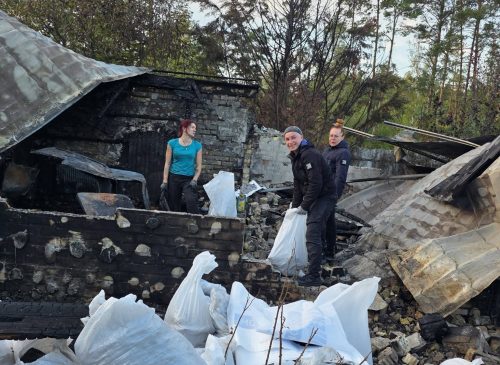
Temporary huts will be located in the yards of houses that have been destroyed by enemy shelling and bombing and cannot be rebuilt. In particular, the manufacturer already has orders from people whose homes are uninhabitable, but they want to live on their plots, in separate apartments.
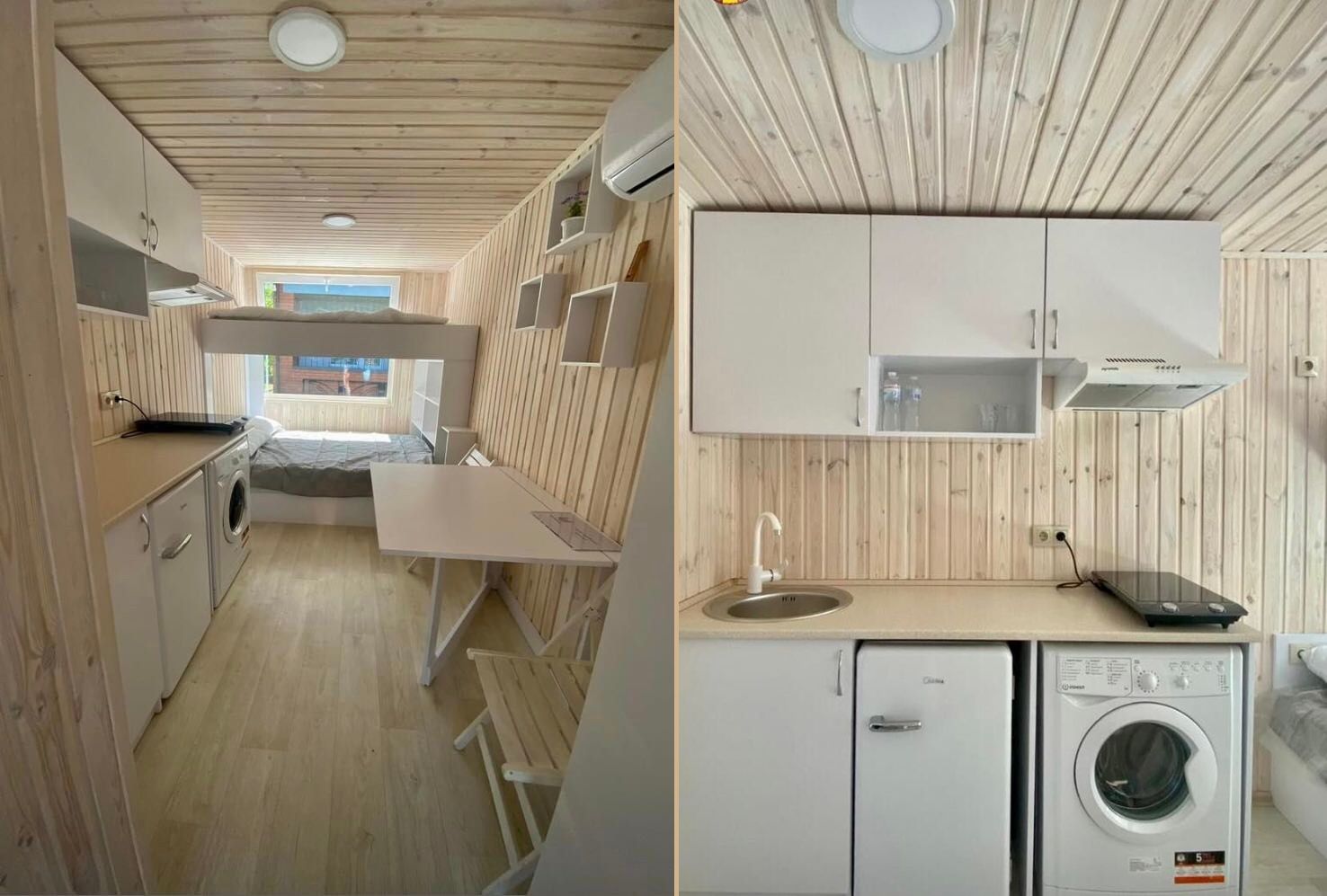
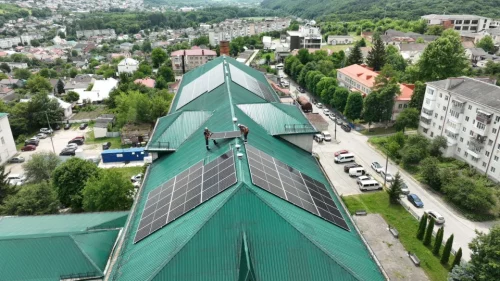
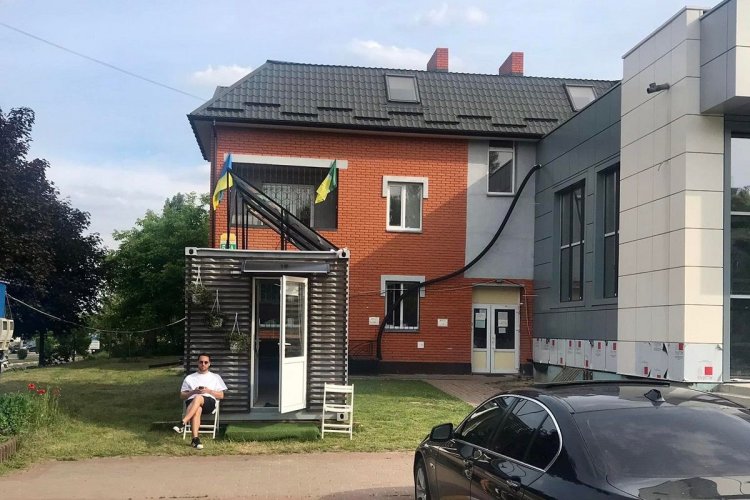
The houses have an area of 14 square meters and can accommodate up to four people. Such housing will be made from recycled materials. Solar panels will be additionally installed on their roofs, which will meet the electricity needs of the residents of the houses, provided that there is no light on the land plot. They will be insulated with foam and completely airtight.
Experimental huts will have all the necessary amenities: bunk beds, cabinets, air conditioning, hood, washing machine, stove. There is also a separate bathroom with boiler, toilet, washbasin, shower and towel dryer.
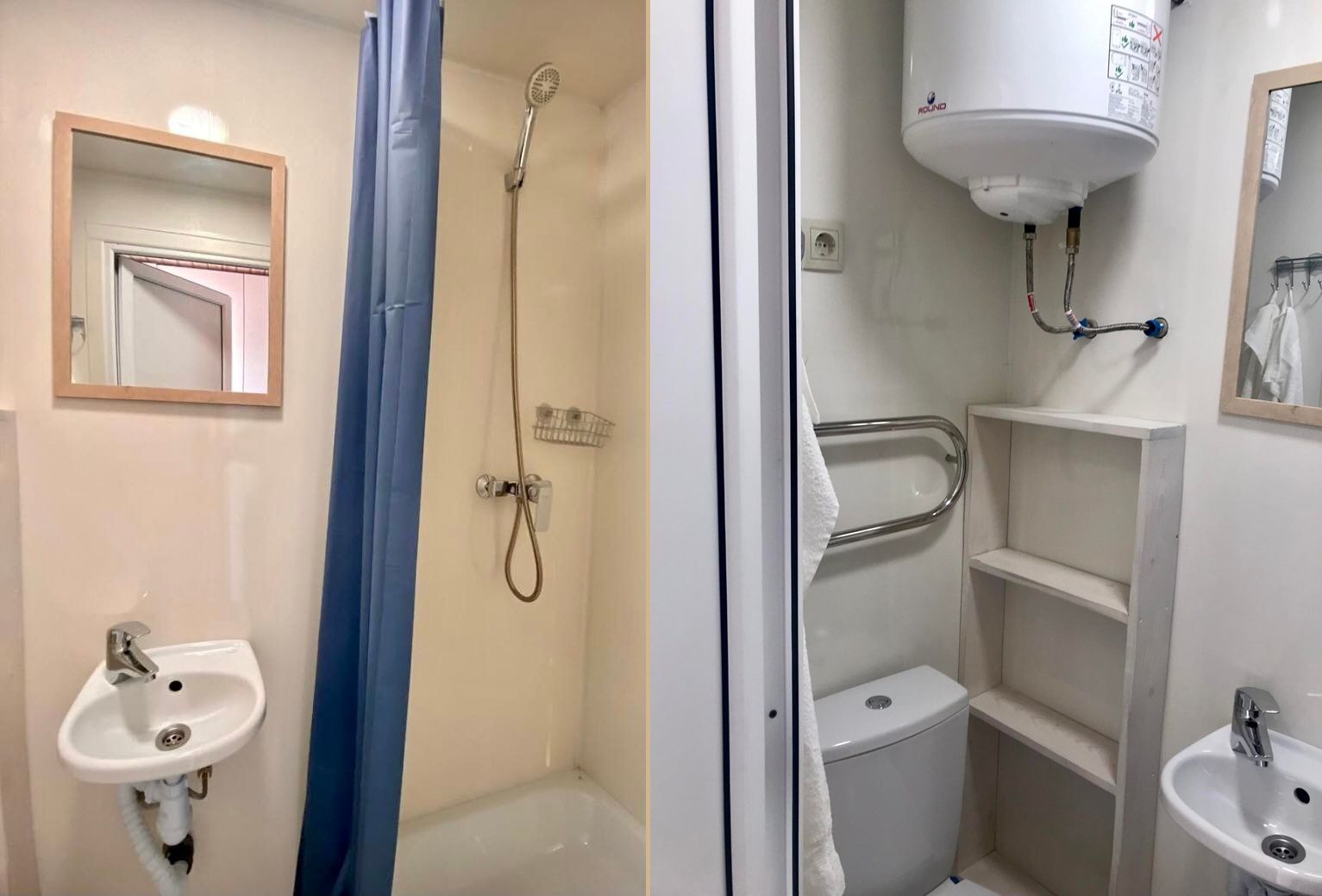
The houses will be assembled in two weeks, and in the future - twice as fast. The base will be a sea container.
The City Council has invited investors who are ready to support the project and those who have lost their homes.
As reported EcoPolitics Earlier, on April 29, two outpatient clinics in one of the most affected by the Russian occupation Borodyanka and Irpin received solar panels and energy saving systems Tesla Powerwall, which were given to them free of charge by Tesla and SpaceX founder Elon Musk.