Climate change can take away chips and French fries from mankind

Climate change can take away chips and French fries from mankind
Katerina Belousova

Scientists and farmers are working on creating resistant hybrid varieties of potatoes

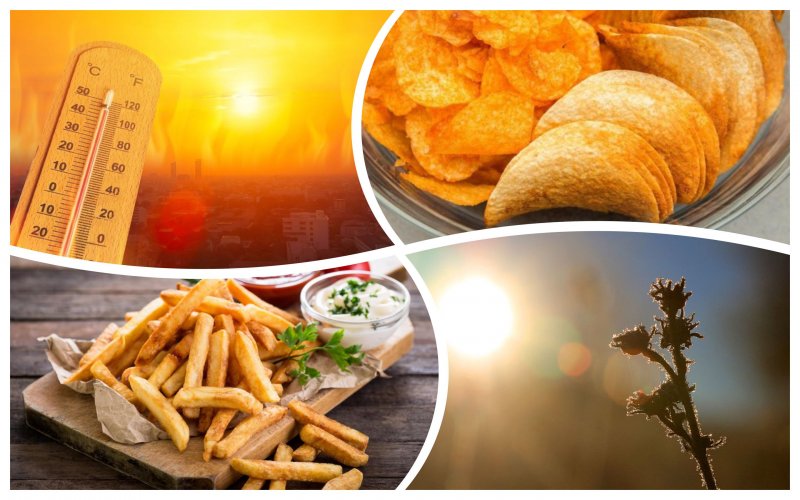
Global warming is making it difficult to grow the Russet Burbank potato, which is used to make chips and French fries, particularly at the McDonald's restaurant chain.

Higher temperatures affect the starch content, and therefore the taste, reports the Daily Mail.

The article explained that due to the increase in temperature, the starch in the potato turns into other sugars and is distributed unevenly throughout the tuber. It also results in dark spots on chips and fries.

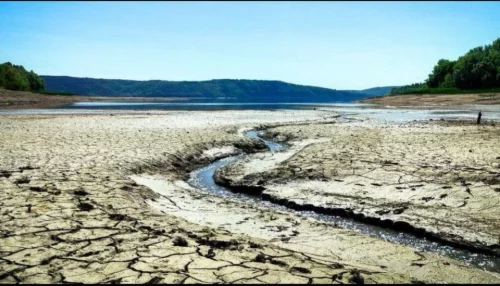
It is noted that in the US state of Idaho, which is the leader in the production of potatoes, the fields are suffering from drought. After all, less snow falls in the mountains, which also melts faster.

The authors emphasized that scientists and farmers are working on creating hybrid potato varieties that are more resistant to climate change. In 2016, McDonald's had to use Blazer Russet and Clearwater Russet hybrids, although the gold standard remains the Russet Burbank variety.

As EcoPolitic previously reported, climate change may affect the taste of wine, which will become stronger, sweeter and spicier, and will have fewer additional floral aromas.
Related
Europe’s seas have been hit by record-breaking heatwaves, whilst the Arctic continues to melt — Copernicus

Every ten years, the ice cover shrinks by almost half a million square kilometres

The situation will not improve in October: low water levels on the Dniester pose a threat to Ukraine and Moldova

Last month, the inflow was recorded at just 11% of the normal level

From tomatoes to meat: which foods have become more expensive this year due to global warming

By 2035, climate-related inflation will increase food prices by approximately 3.2% annually

There has not been enough rain to fill the rivers in the Lviv region: the low water levels persist

If the situation does not improve, restrictions on water abstraction limits may be extended