Climate change can take away chips and French fries from mankind

Climate change can take away chips and French fries from mankind
Katerina Belousova

Scientists and farmers are working on creating resistant hybrid varieties of potatoes

Global warming is making it difficult to grow the Russet Burbank potato, which is used to make chips and French fries, particularly at the McDonald's restaurant chain.

Higher temperatures affect the starch content, and therefore the taste, reports the Daily Mail.

The article explained that due to the increase in temperature, the starch in the potato turns into other sugars and is distributed unevenly throughout the tuber. It also results in dark spots on chips and fries.

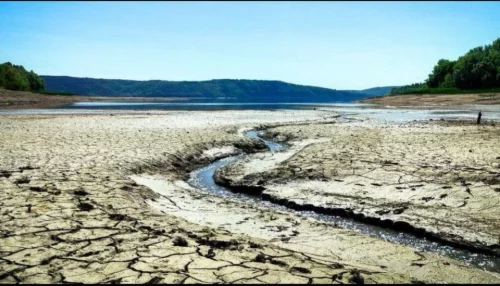
It is noted that in the US state of Idaho, which is the leader in the production of potatoes, the fields are suffering from drought. After all, less snow falls in the mountains, which also melts faster.

The authors emphasized that scientists and farmers are working on creating hybrid potato varieties that are more resistant to climate change. In 2016, McDonald's had to use Blazer Russet and Clearwater Russet hybrids, although the gold standard remains the Russet Burbank variety.

As EcoPolitic previously reported, climate change may affect the taste of wine, which will become stronger, sweeter and spicier, and will have fewer additional floral aromas.

Related
The world is becoming too hot for coffee: the reason for the catastrophic rise in prices

In just two years, the cost of Robusta and Arabica beans has almost doubled

A year of climate records: warming accelerated despite the Paris Agreement

Greenhouse gas emissions are one and a half times higher than in the pre-industrial period

Emissions from ships are destroying Arctic ice. The world is not responding because of geopolitics

In just 10 years, the number of ships in the Arctic has increased by 37%

Are greenhouse gases harmless? The US is scrapping a key document of its environmental policy

Experts consider this to be the biggest attack on climate change efforts