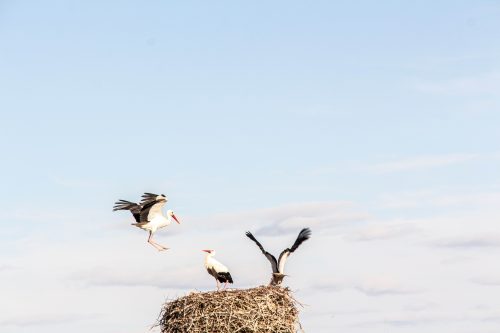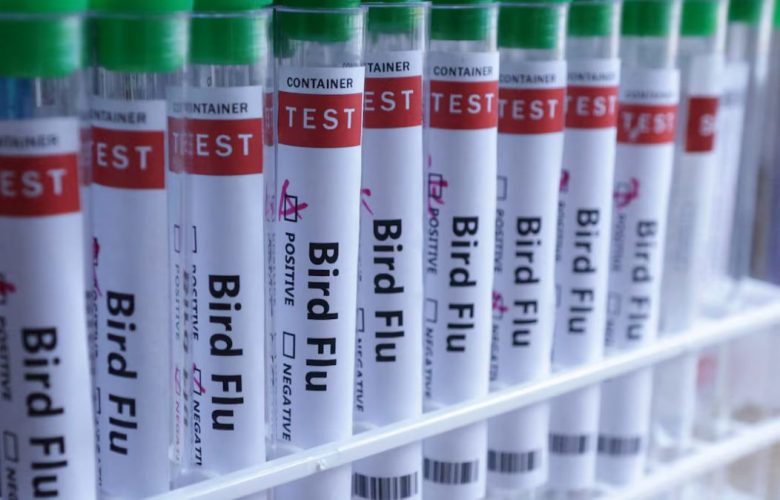
The H5N1 virus, known as avian flu, was detected in Australia in June 2026. The outbreak shows no signs of abating and is spreading at an ever-increasing rate. As a result, the authorities are taking unprecedented measures — the country is beginning to vaccinate local birds, starting with the most vulnerable species.
This is reported by Reuters, citing a statement from the Australian government.
According to Agriculture Minister Julie Collins, the measures will be rolled out in the coming days and weeks. The first ‘patients’ will be species living in captivity.
‘Priority species will be identified based on their vulnerability to H5 avian influenza and the potential impact on conservation. We have made it clear that we cannot stop the spread of H5 avian influenza among wild birds, but we can take measures to protect the species most at risk. Vaccination is now part of that response,” Collins emphasised.
Australia is following in the footsteps of New Zealand, which announced a similar decision in July 2026. There, vaccination is being carried out as part of a local programme for five key breeding bird species that are most at risk of extinction. According to The Australian, 219 birds had already been vaccinated as of 11 August.
Vulnerability of the continent’s avifauna
Australia is known for its unique nature. Government data indicate that out of 850 bird species in Australia, about 45% are endemic. This means that they are not found anywhere else in the world.
The virus was first detected in migratory seabirds. Last month, avian influenza spread to local species. At the beginning of August, the first mass mortality was recorded – H5N1 claimed the lives of about 50 yellow-billed terns south of Adelaide.
For a long time, Australia remained the only continent unaffected by avian influenza. Even in Antarctica, the virus was detected at the end of 2025.
EcoPolitic covered how the war affects Ukraine’s avifauna. Birds suffer the most from explosions. The resulting sudden pressure changes can even destroy the animals.