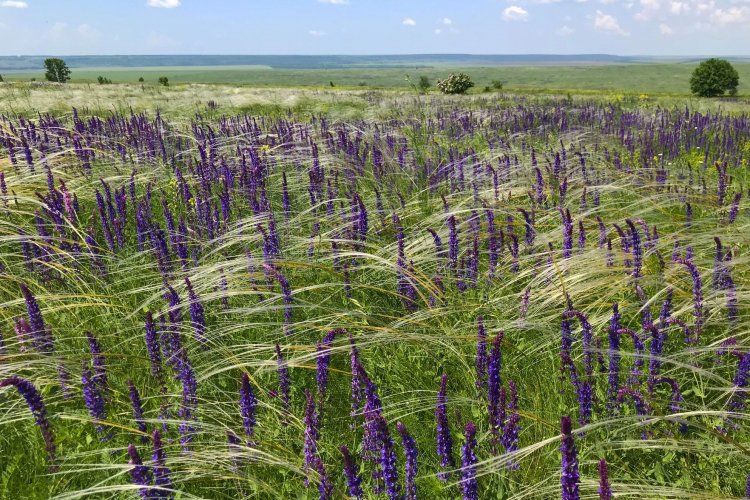
The Ukrainian steppe is not only fertile land and a landscape familiar to residents of the south. These grassy areas are capable of accumulating and storing carbon. Human activity is causing the steppes to lose this ecological function, but humanity can help them "rewild" and play their part in decarbonizing the planet.
This is stated in the article Rewilding Ukraine with reference to a report by researchers from the Askania-Nova Biosphere Reserve and the Institute of Botany of the National Academy of Sciences of Ukraine.
Diversity of research objects
The impact of rewilding was studied in the Tarutino steppe. This picturesque flat area in the Danube delta is represented by areas of varying "quality." Most of it is protected, but some areas have been damaged by agricultural activities. They are now being restored by limiting human impact and repopulating them with migratory animals. This gave scientists the opportunity to compare the composition of soils that formed under different conditions.
The healthiest areas of the steppe are those that have not been affected by human activity. They have the highest carbon reserves, balanced acidity with a pH level of 7-8, and higher humidity. High carbon levels are also found where there is dense vegetation.
The greatest losses of substance were recorded in areas where the soil was cultivated for crops and those where fires – natural or man-made – had raged several times. Excessive grazing of domestic livestock also reduces the natural properties of the soil.
Wild fauna as a factor in restoration
Horses, kulans, fallow deer, and other free-roaming herbivores are one of the foundations of a healthy steppe ecosystem. Their natural grazing improves biodiversity and soil condition. Even their natural excrement contributes to carbon retention, as it helps carbon reach the lower layers of the soil.
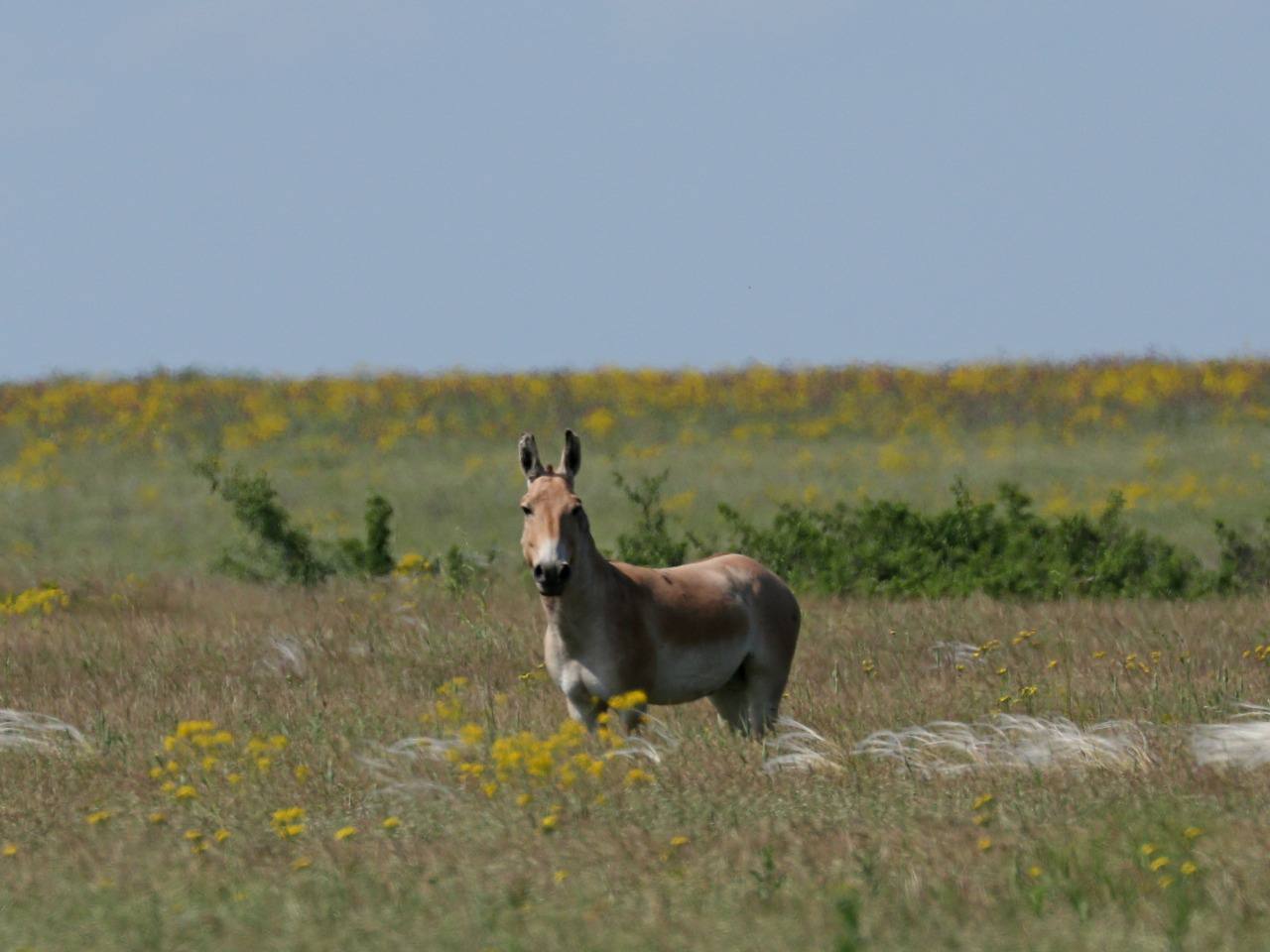
Photo: Rewilding Ukraine
The effects of rewilding – ecological, economic, and agricultural
Wild does not mean inaccessible to humans. In the case of the Tarutino steppe, representatives of Rewilding Ukraine note that natural grazing and sustainable haymaking are relatively harmless ways to use these lands.
Healthy steppes serve as the planet's "carbon reservoir." According to the organization, 15-30% of all carbon is stored in grassland ecosystems. This makes their conservation and restoration no less important than the preservation of forests. In addition, steppes store their carbon in deeper soil layers, while forests store it in above-ground biomass.
Thus, steppe rewilding could become an important part of global climate efforts. It could also benefit local economies, as the mechanism for purchasing carbon credits is becoming increasingly active around the world.
“In Europe and worldwide, rewilding steppes is a cost-effective solution that can simultaneously enhance biodiversity, foster coexistence between nature and people, and increase the ability of steppe ecosystems to resist climate change, all while remaining resilient natural carbon reservoirs,” according to Rewilding Ukraine.
EcoPolitic previously reported that in its Nationally Determined Contribution, the European Union allowed member states to purchase carbon credits to offset their emissions. Recently, Google invested in the restoration of the Amazon forests, which will offset 200,000 t of emissions for the company.