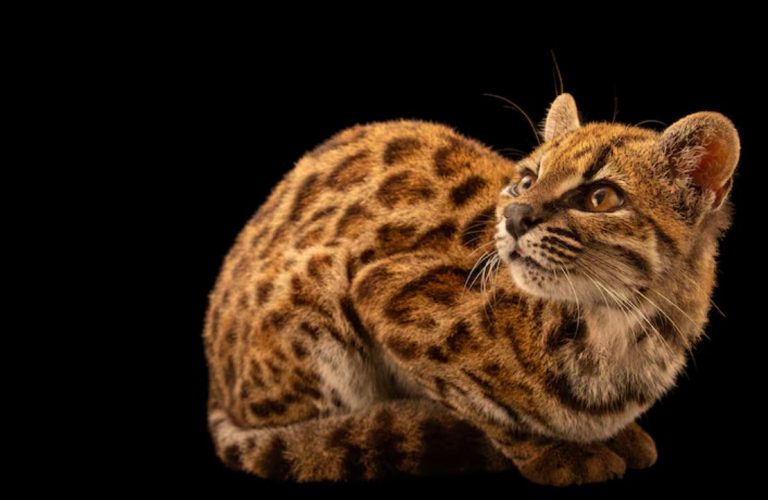
A tiny wild cat weighing less than one and a half kilograms has been discovered in the mountain forests of Bolivia. It turns out that this species was previously unknown to science. The small, spotted animal, known locally as the tilkayo, has become the first species of feline to be officially identified and described whilst still alive.
This was reported by National Geographic.
A decade without classification
Back in 2016, researcher Paola Nogales-Askarruns received a call from the Senda Verde nature reserve in Bolivia. A member of staff there told her that he had been given a ‘strange cat’ – the animal had previously been picked up by a local resident by the side of the road. The resident had kept it as a pet for a year, but eventually realised that it was clearly wild and belonged in the wild.
The little cat, with its round, short ears and long whiskers, was too small to be a pet. At the same time, its fur was covered in spots, which made it look like a leopard.
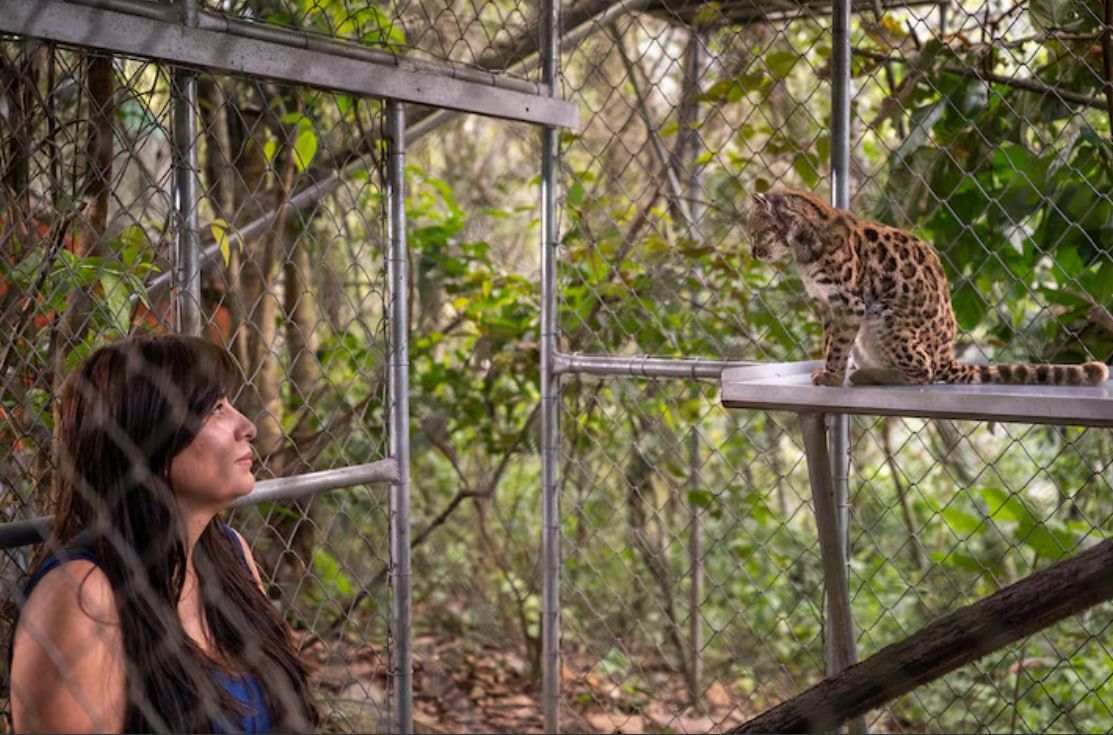
Джерело: National Geographic
When she first encountered the animal, the researcher assumed it belonged to the species Leopardus tigrinus, which had been described as far back as 1775. However, whilst preparing a booklet on Bolivia’s wild cats, Nogales-Ascaruns realised that the new cat was not a tigrinus at all.
Several more years of genetic analysis confirmed the suspicion – this animal does not feature in any scientific classification at all, and the species has not been studied.
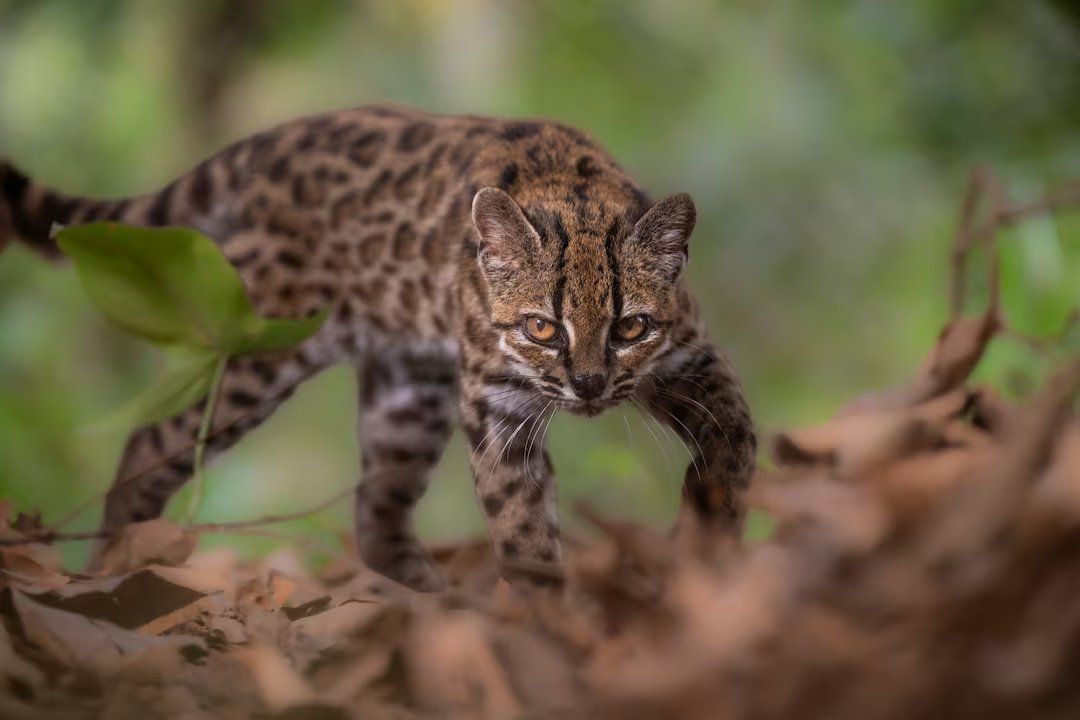
Джерело: National Geographic
Meet Tilkaio
Researchers propose naming the cat Leopardus tilcayo – the same name used by the local people. They themselves do not know the origin of this word.
The cat is quite small. It weighs about 1.4 kg and is 46 cm long. One of the surviving animals is a 10-year-old male, with whom this story began. He still lives in a Bolivian nature reserve.
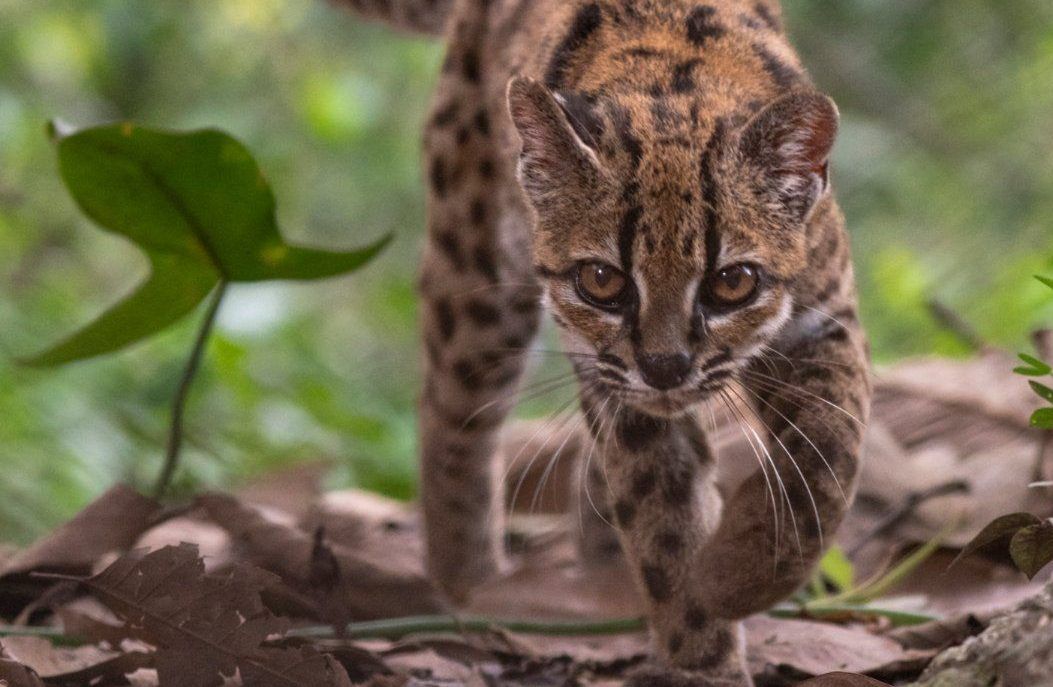
Джерело: National Geographic
The animal inhabits the Yungas forest ecoregion in Bolivia, which is situated on the eastern slopes of the Andes. In essence, this is practically all that is currently known about the animal’s life in the wild. Details regarding its reproduction, diet and daily routine remain a mystery. It is likely that tilkayos are nocturnal, as suggested by data from camera traps, and that they feed on rodents, as evidenced by analyses of their droppings.
EcoPolitics previously reported that Kazakhstan is reintroducing a population of wild tigers. Seventy years after they became extinct in the wild, the first female tiger has been released into a nature reserve. Other tigers will soon be released into the wild as well.