Where to return batteries, thermometers and lamps in Lviv and the region: schedule and addresses

Where to return batteries, thermometers and lamps in Lviv and the region: schedule and addresses facebook.com/batareiky

Anna Velyka

The special Ecobus will run on Thursday, Friday and Saturday

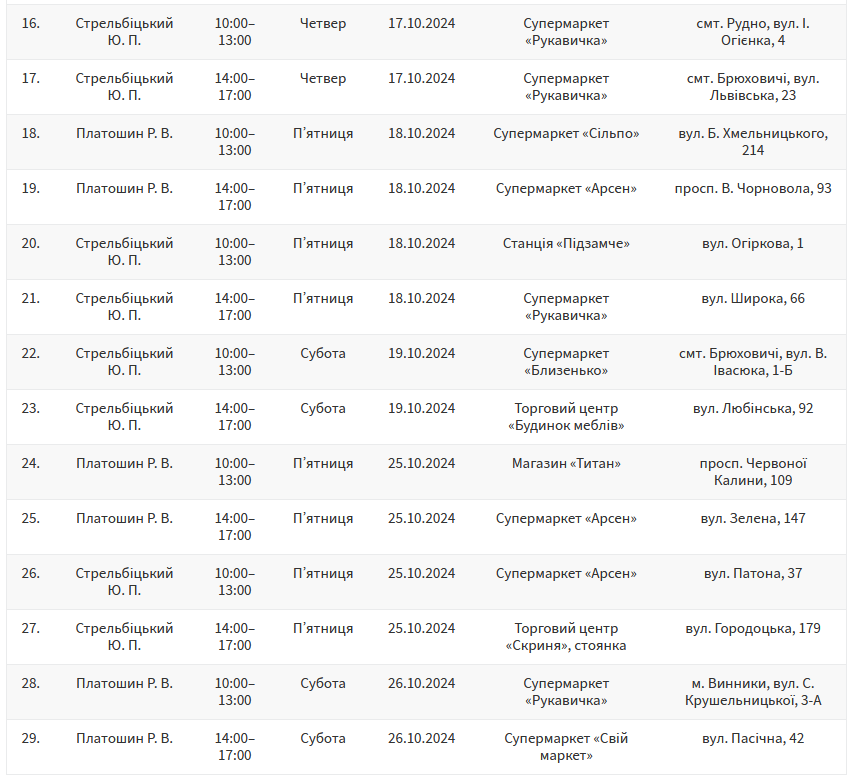
In Lviv, the city of Vinnyki and the village of Bryukhovychy, all residents of the community will be able to hand in used fluorescent lamps, mercury thermometers and batteries to the "Ekobus" mobile hazardous waste collection point.

The parking schedule was published on the website of the Lviv City Council.

The mobile point will work on Thursdays-Saturdays on the territory of the Lviv community.

Ecobus accepts free of charge from one citizen:

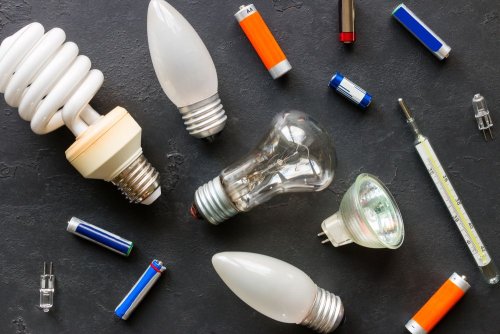
  • spent fluorescent lamps – up to 10 pcs.;
  • thermometers – up to 5 pcs.;
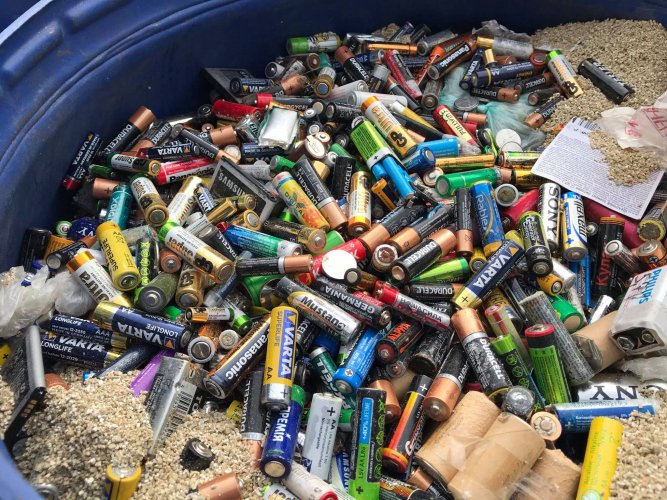
  • batteries – up to 10 kg.

Thermometers and lamps must be in a safe container.

Ecobus parking schedule
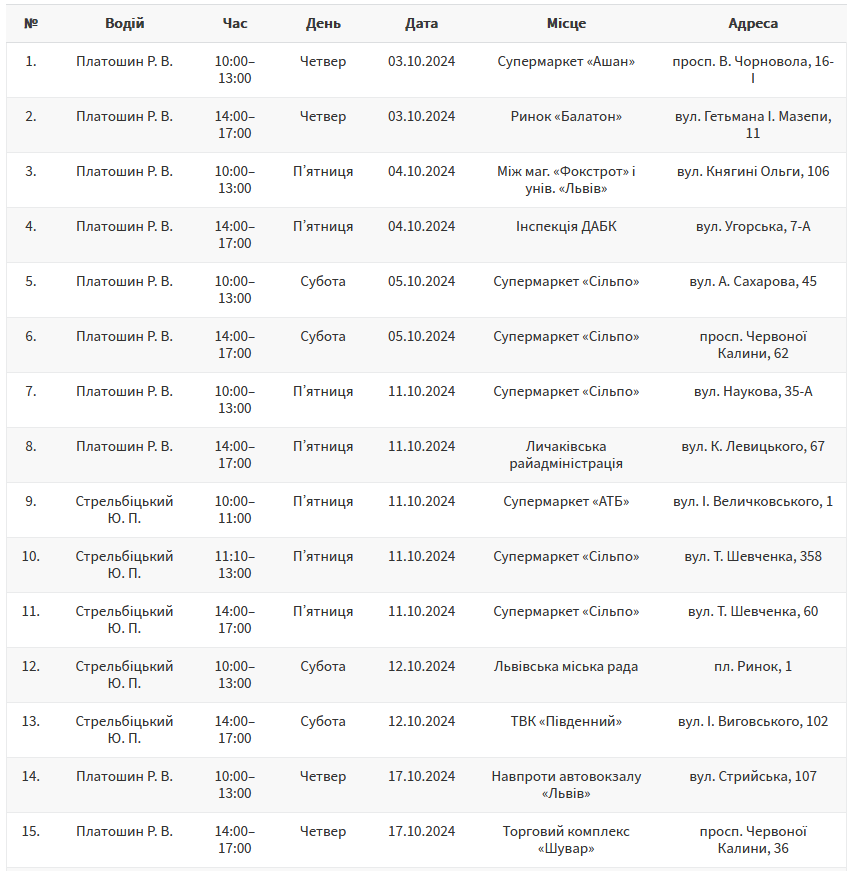
city-adm.lviv.ua

city-adm.lviv.ua

Source: city-adm.lviv.ua.

Earlier,  EcoPolitic published the Ecobus schedule for July.

Related
Underground fires: peat fires have been burning for weeks in the Lviv region

Rescue workers emphasise the difficulty of the work, as the fire is spreading beneath the surface of the ground

A court case has been ongoing for four years over the stench from a pig farm in the Lviv region

The agricultural enterprise declined to comment on the situation

Timetable for the eco-bus in Lviv, Poltava and Khmelnytskyi for August

Some waste is too hazardous to be disposed of in a regular trash bin

Completed, overdue, carried over: what the Ministry of Economy’s environmental performance report for the year looks like

Which of the department’s plans have been successfully implemented, and how many of the achievements did the merged ministry actually inherit from its predecessor?