The town of Letychiv in the Khmelnytskyi region has been left without drinking water due to the activities of a local fertilizer manufacturer. The only water source has been so severely contaminated that local authorities are calling it an impending environmental disaster. This is the second time in a year that the company has caused a critical deterioration in water quality, yet its premises remain unsanitary and littered with waste.
This was reported on the Facebook page of the Letychiv United Territorial Community.
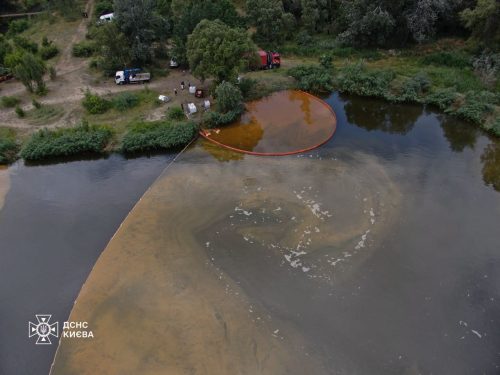
Drinking water for Letychiv residents comes from a spring. On March 31, the water there suddenly developed an unbearable odor. The community emphasizes that such water does not meet standards and is completely unfit for consumption. The local utility company is conducting emergency disinfection and delivering water.
They also name a specific culprit—NanoKAS LLC. The company operates a production facility near the water source. In 2025, it already caused a water crisis in the community.
At that time, the village council had already appealed to the police, the prosecutor’s office, the State Environmental Inspection, the State Consumer Service, and the Regional State Administration. A criminal investigation was opened, and the situation was resolved—though, as it turned out, only temporarily.
Inspection and response
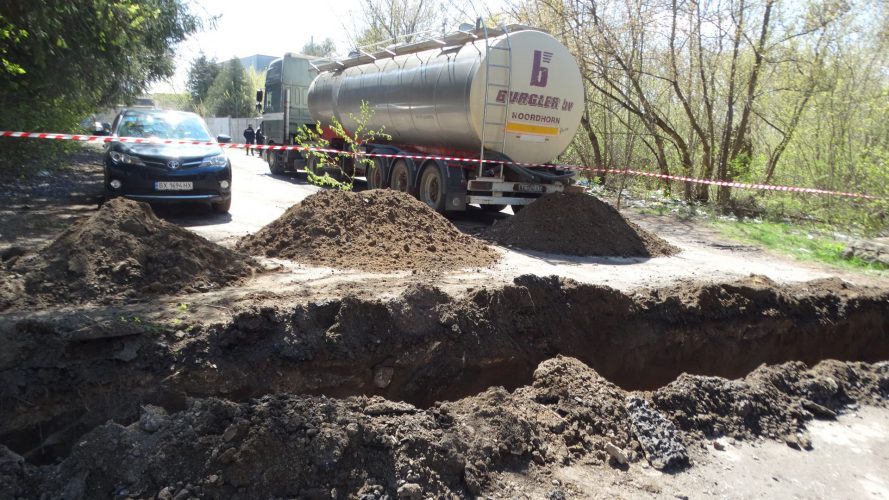
The community leadership, concerned residents, and activists conducted an inspection of the company’s territory, which most likely caused the contamination.
“What we saw was shocking: unsanitary conditions, violations of basic safety standards, blatant disregard for environmental requirements, and a cluttered area,” commented the territorial community on the inspection results.
The settlement council decided to suspend the operations of NanoKAS LLC and has filed a lawsuit to fully ban the company’s activities.
EcoPolitic reported that for years, the city of Bolhrad in Odesa region has been poisoning suburban lands with sewage discharges. The city lacks functioning wastewater treatment facilities, and construction of new ones has not even begun.