Every year, Ukrainians generate around 10 million tonnes of solid household waste. This is a colossal amount of rubbish which, without being sorted, simply rots in landfill sites and releases hazardous compounds into the air, soil and water. However, some waste can be recycled, some can be used as fertiliser, and some should not end up in landfill at all, as it requires specialised disposal. Everyone can help by simply starting to sort their own rubbish.
EcoPolitic explains how to start sorting waste and where to take it.
Let’s make it clear from the outset that sorting waste addresses the consequences, not the causes. The key to reducing the volume of rubbish, however, is sensible consumption: buying only what is truly necessary and avoiding single-use and poor-quality items as much as possible, whether it’s plastic picnic tableware or a supermarket carrier bag. There is always a more durable and environmentally friendly alternative.
So we’ll skip the advice about buying only as much food as your family can eat before it goes off, choosing high-quality clothes less often rather than low-quality ones more often, and repairing appliances rather than throwing them away — we’ll leave that out below.
Organic waste
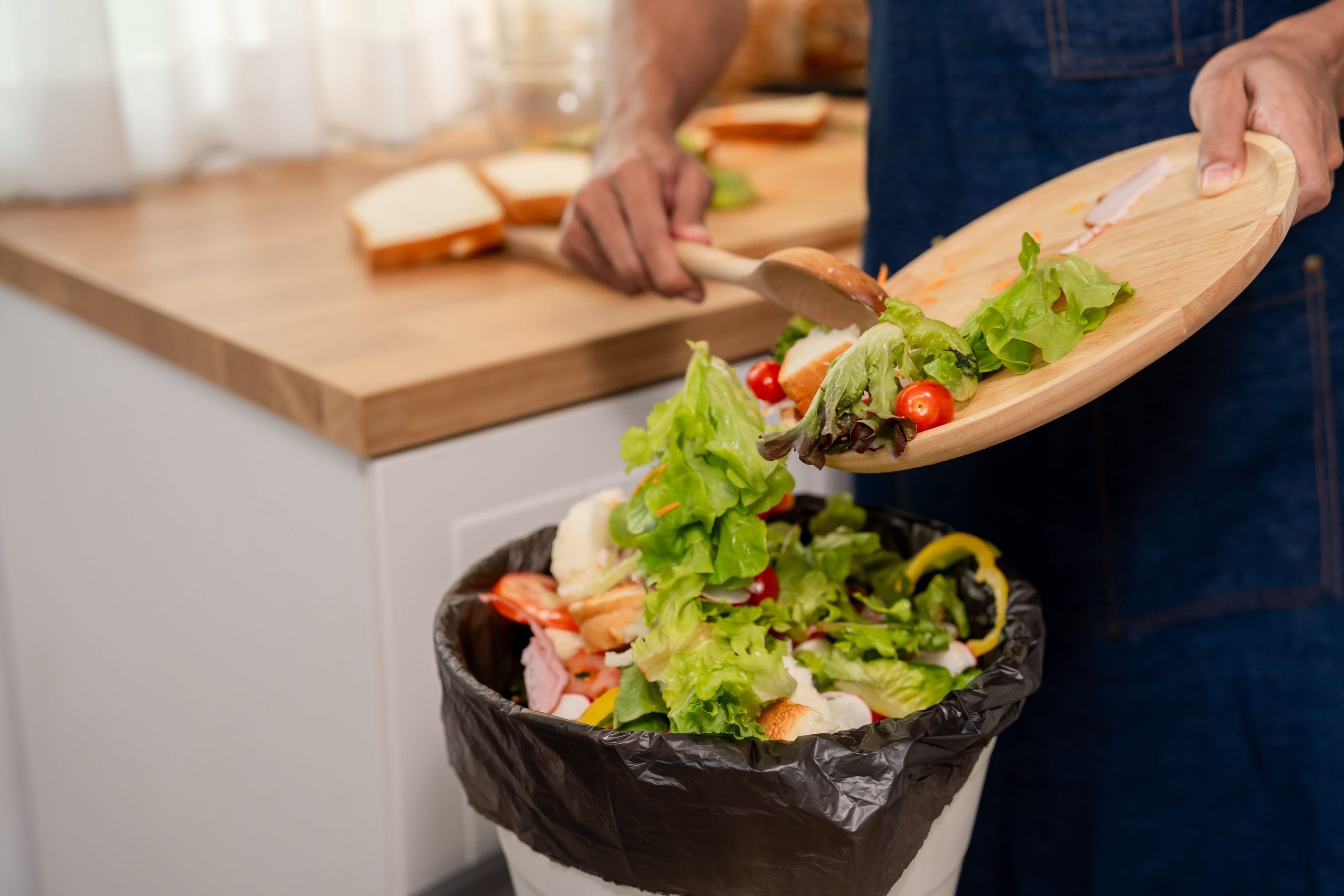
Food scraps and spoiled food account for the lion’s share of household waste. In the EU alone, each person generates 129 kg of this type of waste per year, and 53 per cent of it is produced in households.
So what should you do? Compost. If you live in a flat, you can buy a special compost bin with compartments for waste and compost liquid. It shouldn’t be placed in a cold room, as the bacteria won’t ‘work’ there.
The "juice" can later be used as a fertiliser for indoor or outdoor plants, whilst the remaining waste can be worked into the soil around plants in the garden. This will also provide the soil with nutrients.
Please note that this does not apply to meat and fish waste. Also, to avoid unpleasant odours, we recommend that you do not leave the composter uncleaned for long periods.
Waste for recycling
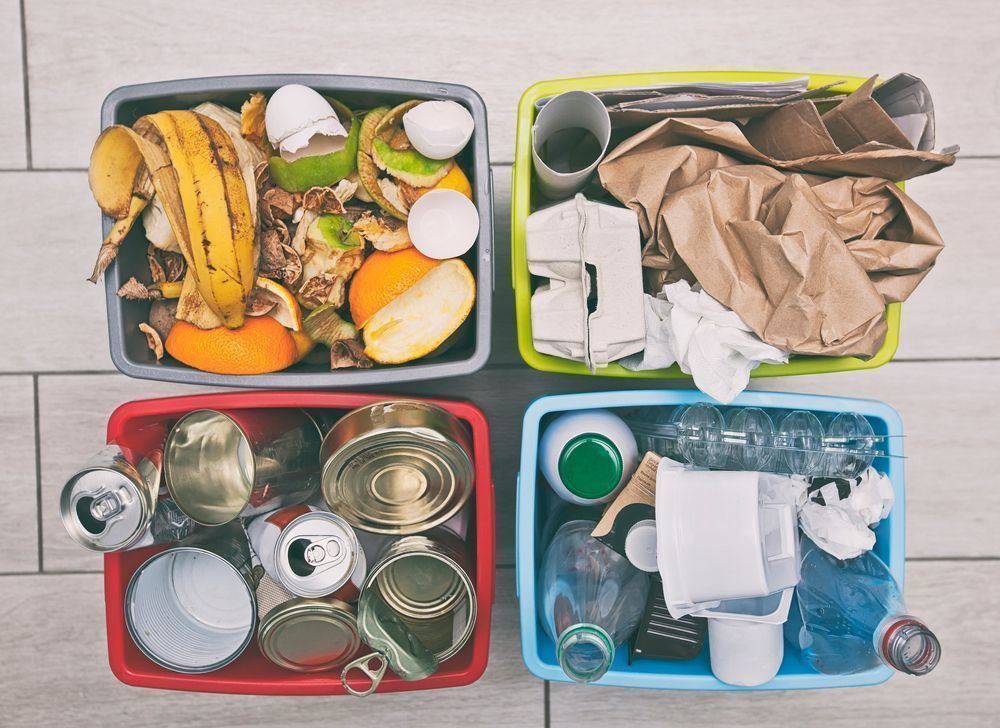
A large amount of the rubbish we throw away from our flats and houses can actually be used as raw material for other products. We therefore recommend that you find out where in your town they accept recyclable materials and what the acceptance criteria are. You can search the National map of recycling collection points or enquire via your local council’s services. For example, in Kyiv, the ‘Kyivmiskvoresursy’ network operates for this purpose.
Unfortunately, there is still no standardised waste collection system in Ukrainian towns and cities — local authorities organise this process as they see fit.
What should be sorted?
- plastic bottles;
- aluminium cans;
- paper and cardboard, waste paper;
- metal.
In some places, collection points accept glass or Tetra Pak packaging.
To sort different types of waste at home, you need to choose a convenient spot and select some containers. For some people, a few cardboard boxes are enough, whilst others prefer plastic containers sold specifically for waste sorting. It’s simply a matter of personal preference and budget. The main thing is to put only washed and dried bottles or jars in them.
Hazardous waste
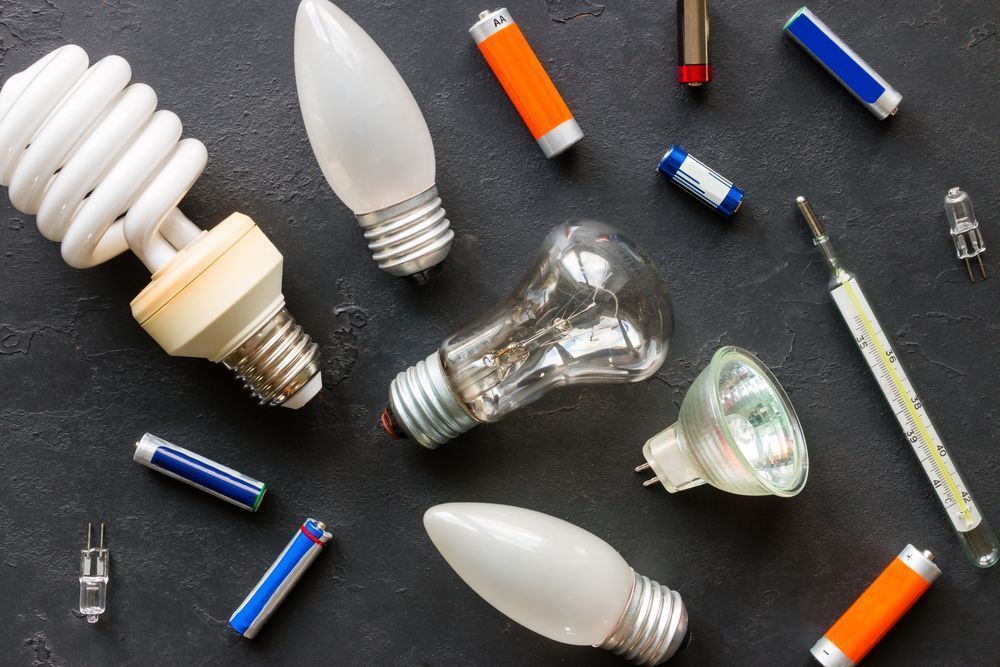
This type of waste includes batteries and rechargeable batteries, mercury thermometers and fluorescent lamps, out-of-date medicines, household cleaning products and the like.
The situation regarding collection also varies from city to city. In Lviv, Poltava and Khmelnytskyi, in particular, hazardous waste is collected by an eco-bus. The timetable and route for October can be found at this link.
As for batteries — you can find your nearest collection point on the map of the nationwide campaign ‘Batteries, hand them in!’. You can hand them in at ‘Epicentre’, JYSK, WOG or COMFY stores.
For sorting purposes, hazardous waste must be undamaged or in its original container. It must be stored in a dry place, out of reach of children and animals.