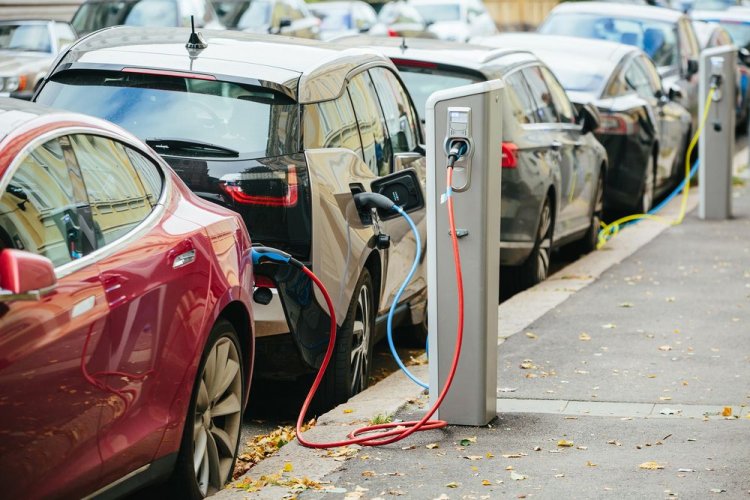
The demand for electric vehicles has increased in Ukraine: which cars are chosen most often?

The demand for electric vehicles has increased in Ukraine: which cars are chosen most often? shutterstock

Illia Fedun

The most popular car brands have been named

In July, Ukrainians purchased more than 7,000 electric vehicles. This figure increased by 47% compared to July 2024.

This was reported by the Ukrainian Motor Vehicle Manufacturers Association (UkrAutoprom) on social media. 

The majority of purchases were passenger electric vehicles, almost 6,900 units, of which about 1,600 were new. Electric vehicles are also being bought for commercial use, with over 150 vehicles acquired for business needs last month, including 20 new ones. 

The list of the most popular new electric vehicles:

1) BYD Song Plus EV;

2) Honda eNS1;

3) Volkswagen ID.UNYX;

4) ZEEKR 7X;

5) Audi Q4 e-tron;

The selection of the most popular used electric vehicles: 

1) Tesla Model Y; 

2) Tesla Model 3; 

3) Nissan Leaf; 

4) Kia Niro EV;

5) Hyundai Kona Electric;


Previously, EcoPolitics reported that the European Parliament wants to expand producers’ responsibility regarding the disposal and recycling of vehicles. 

Related
The CBAM may be put on hold for two years due to serious crises. Discussions are ongoing in the EU

This will not affect free allowances under the EU ETS

YASNO explained how many years it takes for a solar power plant to pay for itself for businesses

The bureaucratic aspects of setting up a SES are becoming more standardized

The EU may stop canceling excess CO2 emission allowances

The aim is to strengthen the Market Stability Reserve within the EU ETS

Ukraine may eliminate environmental assessments for large-scale projects

Eliminating the EIA and EIA procedures at the initial stage poses a risk to the economy and calls into question the project’s completion