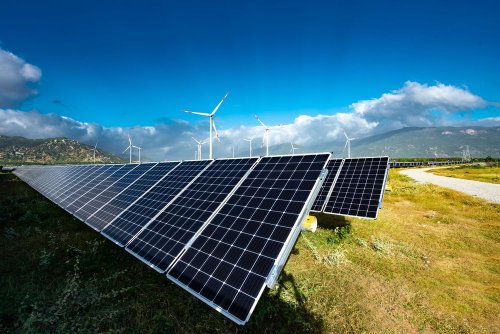
Sociological study by the public organization "Ekodiya" showed that 78% of citizens approve of renewable energy in Ukraine, and 84% approve of small distributed generation.
The survey was conducted in September 2022, until mass attacks on energy infrastructure and power outages, so eco-activists believe that these data are likely to be different at the moment, reports Ecodiya.
Research "Renewable energy sources are already here: what do Ukrainians think about a green future in their own households?" showed that only 2% of Ukrainians expressed negative attitude towards green energy industry
The authors emphasized that already in September 2022 42% of respondents were thinking about, engaged in, or even already had their own RES power plant or heating system using green energy. At that time, about 57% of respondents had not yet thought or did not want to install their own stations on renewable energy sources.
"The majority of respondents agree with the positive impact of small distributed generation on themselves, their community and the state," the article says.
According to the respondents, installing a station on renewable sources in the home will help:
- make own energy supply more reliable – 92% of people;
- reduce electricity bills by 89%;
- strengthen the state's energy independence thanks to the development of small generation – 86%;
- strengthen the energy independence of the community thanks to the development of small generation – 86%.
The study showed that the most popular reason for not installing RES is the high cost of the technology. However, in the case of monetary compensation or the provision of equipment, the number of those willing to consider the idea of installing their own RES increases to 69%.
"However, the state currently does not offer any support mechanisms that would be available to household consumers," the authors noted.
They emphasized that about 54% of respondents answered that they were hearing the term "renewable energy sources" for the first time. However, for certain technologies – such as solar panels or alternative fuel boilers – the level of knowledge is much better.
So about 95% of people have at least heard about solar panels, 88% – about biomass boilers, 80% – about small wind turbines, 67% - about heat pumps.
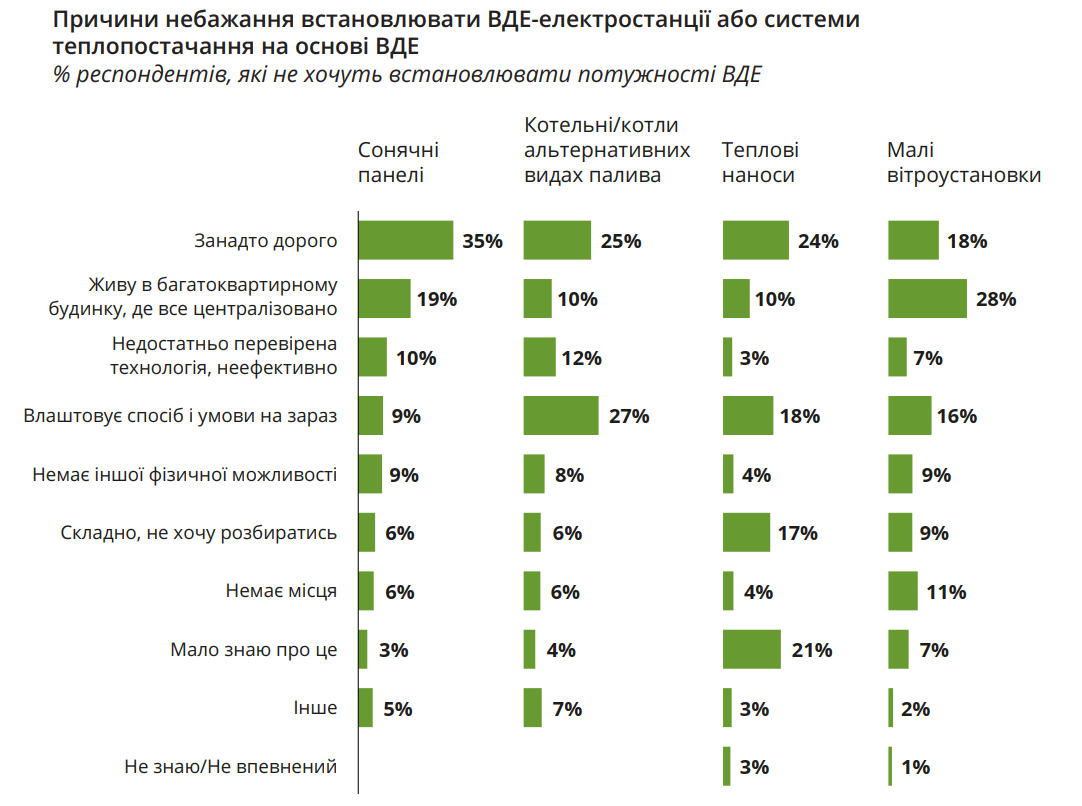
"In general, among those surveyed, 98% have at least heard about RES or specific technologies, so the survey on the attitude to RES was conducted only among these people," ecoactivists noted.
They also said that the research was conducted by the Info Sapiens agency on the order of Ecodia in September 2022. It took place in the format of telephone interviews with residents of 9 regions of Ukraine: Ivano-Frankivsk, Ternopil, Chernihiv, Sumy, Dnipropetrovsk, Odesa, Mykolaiv, Cherkasy and Kyiv (with the exception of the city of Kyiv). As part of the study, a random representative sample of 936 people was interviewed.
Earlier, EcoPolitic wrote, that the residents of Kyiv region told how SPPs helped them survive during the occupation.
As EcoPolitic previously reported, Oleksandr Tsarenok, a resident of the village of Zoryn, Vyshgorod district, Kyiv region, who owned a home solar power plant, provided electricity to his fellow villagers, when they found themselves cut off from their power supply due to the Russian invasion.