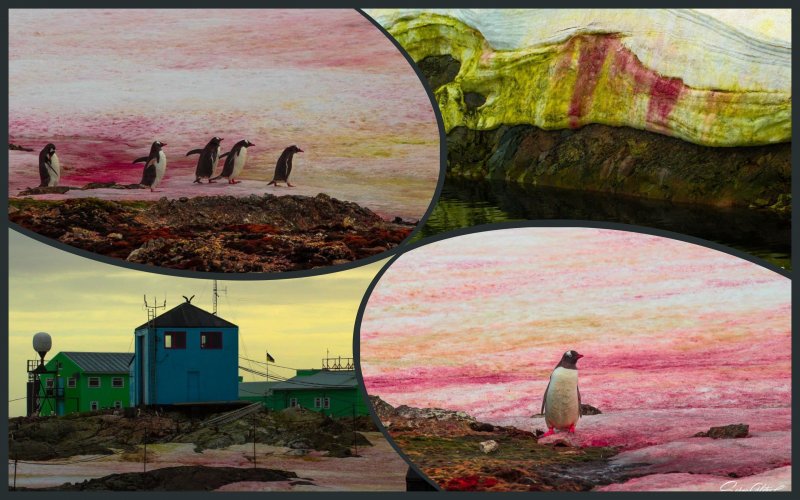
The snow changed its color from white to pink in Antarctica. Photo

The snow changed its color from white to pink in Antarctica. Photo facebook.com/AntarcticCenter
Katerina Belousova

The same type of algae can color snow in green, orange and purple colors

In Antarctica, near the Ukrainian station "Akademik Vernadskyi", the snow has turned pink due to the "blooming", i.e. mass reproduction, of single-celled green algae.

Such flowering accelerates climate change, because the color of the snow reflects less sunlight and melts faster, the National Antarctic Science Center reports on Facebook.facebook.com/AntarcticCenter
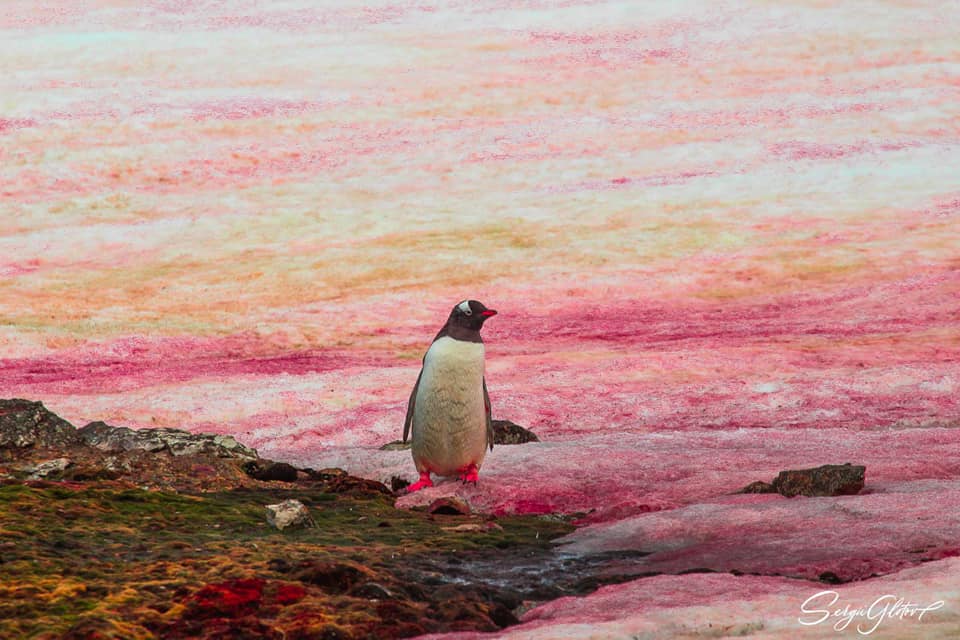
"This is not photoshop, but the colors of Antarctica." Pink patterns on a white cover this is how the snow "blooms" at the end of the Antarctic summer in the area of our station "Akademik Vernadskyi," emphasized in the message.

The scientists explained that the same type of algae can color the snow in green, orange and purple. The color of plants depends on the pigment.facebook.com/AntarcticCenter
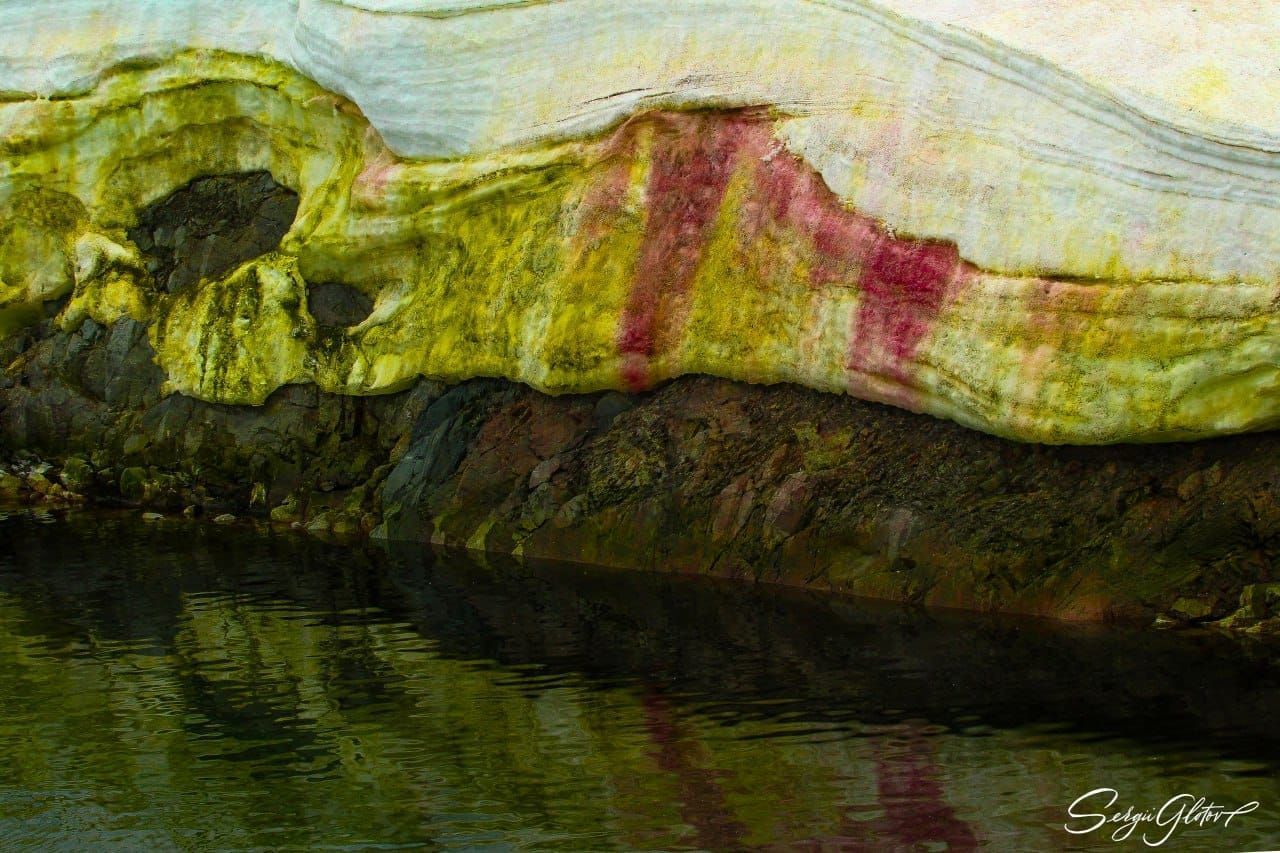
The authors emphasized that algae with the green pigment chlorophyll "winter". At the end of the Antarctic summer, when the intensity of ultraviolet rays becomes higher, the plant protects itself from them with the red pigment carotenoid. The same pigment gives orange color to carrots.

Currently, scientists are collecting and fixing samples of colored snow in order to analyze them on the "big earth" and to better understand the chemical basis of the transformation of algae.

As EcoPolitic reported before, in 2021, in the area of the Antarctic station "Akademik Vernadsky", the snow changed its color from white to green and crimson due to the "blooming" of algae.
Related
Poisonous plants of Ukraine: the dangers they pose and where they are found

If you experience even the slightest symptoms, such as weakness or nausea, you should seek medical advice straight away

The relaxation of the EU ETS, demands from industry, and forest fires: a round-up of EU economic news

The heatwave is already forcing investors to rethink their approach to risk management, yet the industry still wants to pay less for emissions

Forest fires in the EU have already destroyed more than 17,000 hectares of land in recent days

The authorities are forced to close roads and set up shelters for people at risk from natural disasters

Mutually detrimental effects: how global sport is adapting to climate change

Emissions from the 2026 FIFA World Cup are estimated at 7.8 million tonnes of CO₂