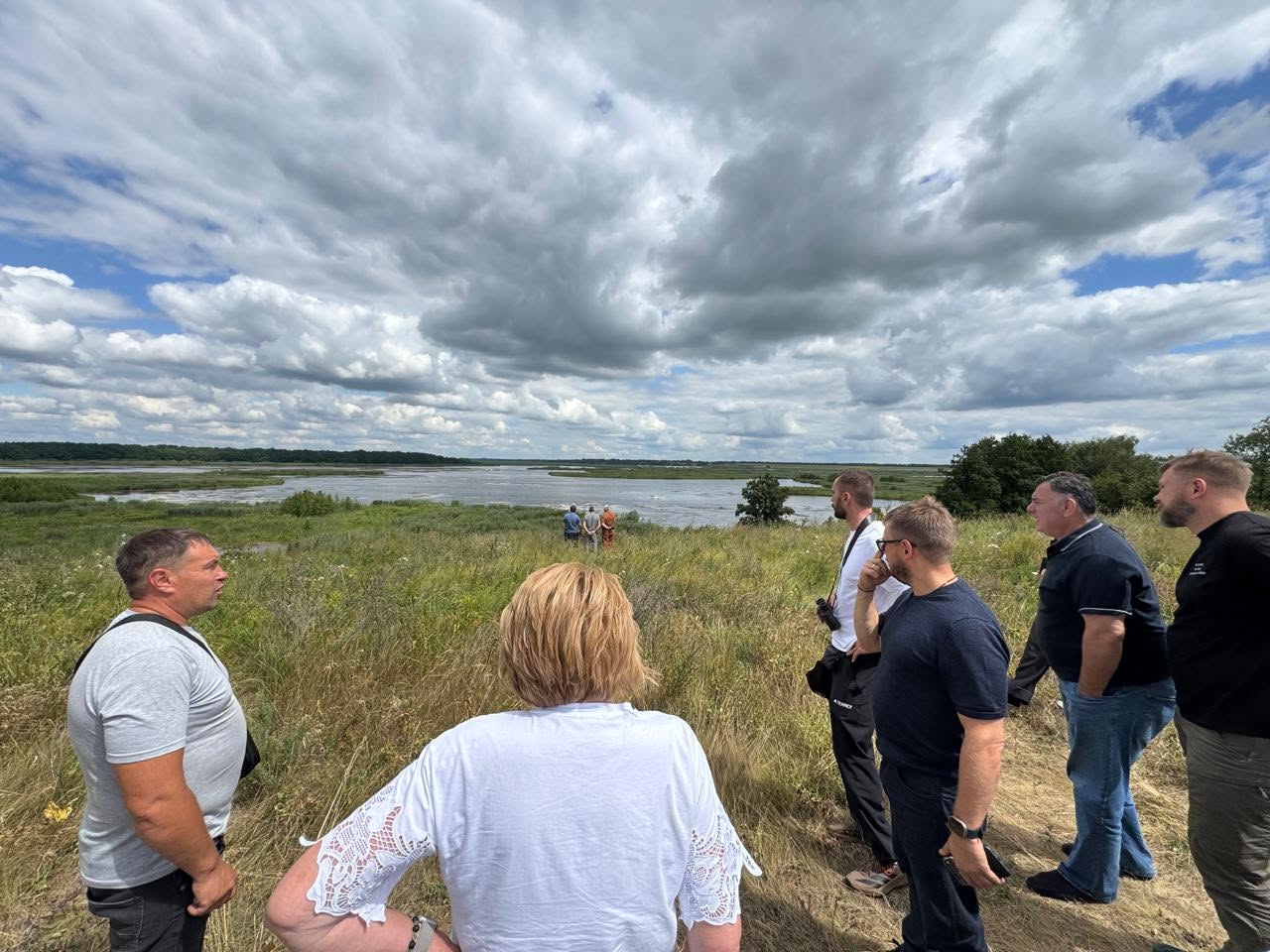
Over the course of several decades, Lake Velykyi Supii in the Kyiv region has become almost ten times shallower. Experts are concerned, as this does not appear to be a seasonal fluctuation in water levels, but rather the gradual disappearance of the ecosystem. The regional council therefore intends to appeal to the state authorities to clean up the lake and even review the necessity of water abstraction from it.
This was reported by the publication ‘KyivVlada’.
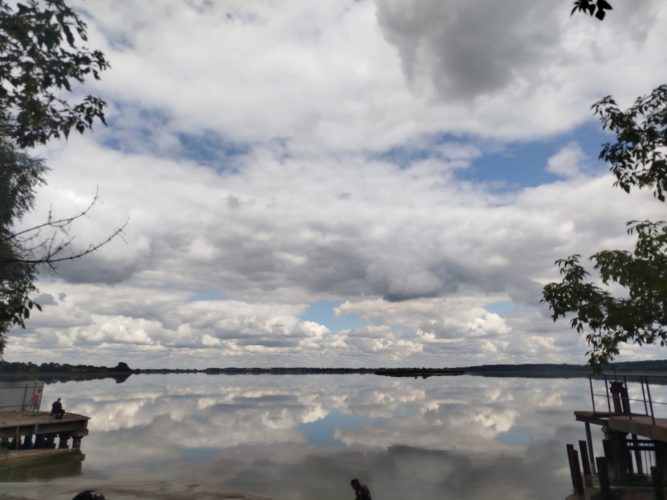
Velykyi Supii is the largest lake in the Kyiv region, with a water surface area of over 1,000 hectares. The lake is man-made and is over 260 years old. It was created back in 1765 by building a dam on the Supii River.
The lake is an important site for tourism, fishing and water safety in the region. At the same time, Velykyi Supii remains home to more than 190 species of birds, as well as one of Ukraine’s rare orchids — the meat-red cuckoo orchid.
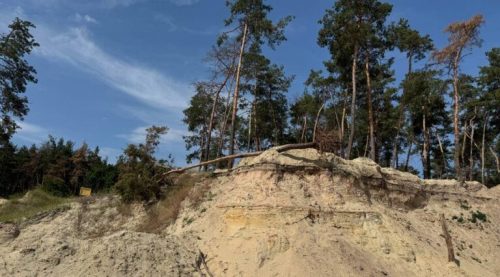
However, the lake is rapidly losing its water volume. In some places, several decades ago, the lake was 10–15 metres deep. Now, across most of Velykyi Supii, the depth ranges between 1 and 1.5 metres.
In just two months of 2026 – May and June – the water level in Lake Malyi Supii-2 fell by a further 25 cm.
“This is a signal of the systemic degradation of a unique ecosystem, which has environmental, historical, recreational, and economic value for the entire Kyiv region,” emphasized Roman Tytykalo, head of the Kyiv Regional Council’s Commission on Ecology and Natural Resource Use.
Source: Kyiv Regional Council / Facebook
Combination of factors
The gradual drying of the lake is the result of several factors that intensify each other’s negative impact. According to the regional council, the main ones are considered to be the following:
- climate change and the resulting prolonged droughts;
- many years of silting and the absence of countermeasures – no systematic cleaning or deepening of the water area;
- poor condition of hydraulic structures;
- pollution of the lake by surface runoff;
- ploughing of protective coastal strips;
- excessive water extraction for economic needs.
Is it possible to save the lake?
Theoretically, the Velykyi Supii’s water stock can be restored, but this requires the implementation of a large-scale state restoration program and comprehensive management.
To halt the loss of water and biodiversity, the regional council has outlined the following steps:
- Legal aspect. It is finally necessary to formalize the water body’s passport by establishing the boundaries of protective strips. This is important to include Velykyi Supii in state and regional water preservation programs. To initiate these processes, the regional council plans to prepare an appeal to the Kyiv Regional State Administration.
- Restoring the natural water balance. Hydraulic structures must be put in proper order and brought to the required technical state. For this, the council’s commission will appeal to the State Property Fund. There are also plans to initiate cleaning of the lake and dredging of springs, which should restore the natural water replenishment of Velykyi Supii.
- Water intake audit. It is necessary to determine who is using the water from the lake, in what volumes, and on what legal grounds. An official request will be sent to the State Water Resources Agency. The agency must verify special permits and assess risks. If necessary, until the situation stabilizes, water intake should be reconsidered or even suspended entirely.
EcoPolitic previously reported that in Khmelnytskyi region, the region's largest lake, Svyate, has dried up. Experts consider climate change the main factor. Unfortunately, restoration of the reservoir is currently considered impossible.