Ukraine plans to integrate into the global economy from the perspective of green industry, clean energy, and modern logistics. The new vision of the Industrial Strategy envisages a transition from a raw materials economy to a processing economy, opening up investment opportunities for foreign partners.
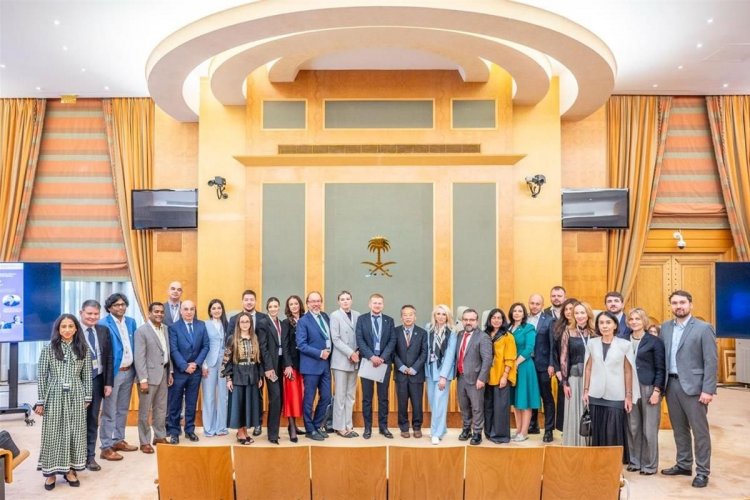
According to the Ministry of Economy, Environment, and Agriculture, Ukraine presented this plan as part of an investment dialogue with the Gulf countries at the 21st session of the UN Conference on Industrial Development (UNIDO GC21).
From raw materials to processing
The foundation of future industrial transformation is the development of the processing industry and its integration into global markets. The Ukrainian delegation announced plans to create full-cycle production facilities in order to export not raw materials but more valuable finished products abroad.
"Our focus is on integration into global supply chains, the development of a green economy, and the digitalization of production. Ukraine should become an industrial hub that connects European markets with the capital and technologies of the East," said Deputy Minister of Economy Andriy Telyupa.
Investment opportunities
The change in Ukraine's economic vector is creating a large investment market. Government officials already estimate its potential at $524 billion. Among the most promising sectors for foreign capital investment are:
- energy modernization – $68 billion;
- machine building – $18 billion;
- deep agricultural processing – $12 billion.
Partner proposals
Japan presented UNIDO's flagship initiative for Ukraine. The country proposes to transfer technology and establish joint production facilities in Ukraine. The eastern state is ready to cooperate in the following areas of green industry:
- industrial decarbonization;
- production of "green" hydrogen and ammonia;
- development of agribusiness and value chains;
- digital transformation using artificial intelligence;
- implementation of solutions in the field of telemedicine;
- development of a circular economy.
It should be recalled that Ukraine has committed to reduce carbon emissions by more than 65% compared to 1990 levels.