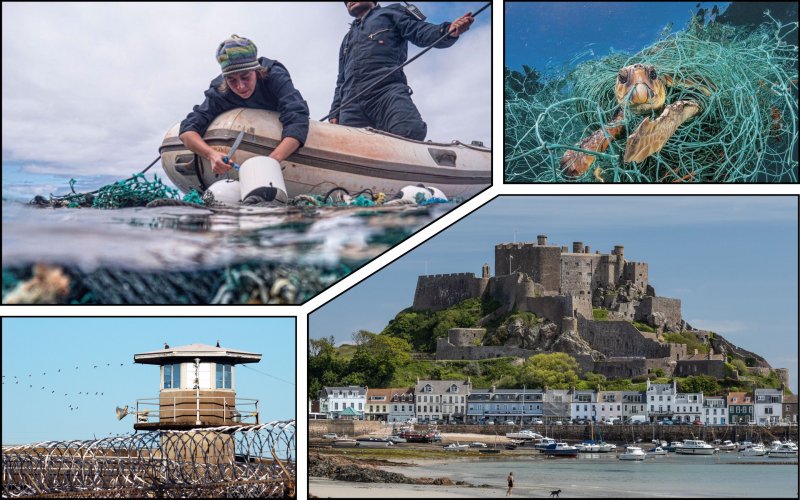
In Jersey, UK, as part of a pilot program, prisoners sorted more than 14 tons of fishing ropes, 68 fishing tackle, and 2,000 meters of nets in a year.
The inmates at La Moye Prison separated mixed materials used in fishing gear so that they could be recycled or reused, the BBC reports.
According to prison spokeswoman Gemma Lofthouse, this is how prisoners contribute to the fight against climate change.
She noted that the collaboration project between the maritime services, Jersey ports, solid waste management services, the fishermen's association, and the prison service has had a positive impact.
"The prisoners are determined to do a good job and contribute to the climate emergency by working incredibly fast to get the job done. The hard work, dedication and practical skills used in this role give them great experience to get the job after the release," Lofthouse stressed.
It is noted that earlier fishermen did not have a suitable place where they could bring old gear. Often the work involved in separating these materials took too much time, but the program made it possible to solve this problem.
The article said that fishermen can now leave unwanted gear and nets at the landing area in La Colette, which will then be sent to the prison for sorting.
As EcoPolitic reported earlier, 640 thousand tons of fishing nets are thrown into the ocean every year, which damage corals and natural habitats of marine animals, and also end up in human food.