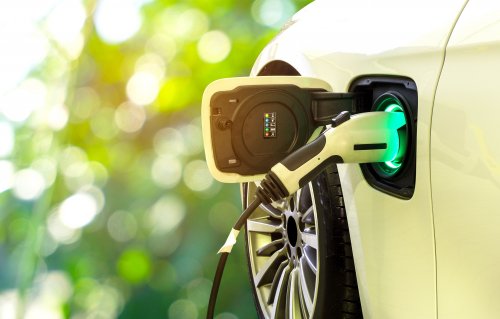
In Germany, the heads of companies in the field of electric transport warn that the rapid increase in electricity prices threatens the future of electric vehicles.
This could create a barrier for investors to build new charging stations, making electric cars less attractive as they would be impractical to operate, reports The Guardian.
The production and sale of electric vehicles is also adversely affected by the rising cost and availability of raw materials, chronic shortages of spare parts and widespread reductions in income.
The article noted that until recently, electric cars became more and more attractive due to the increase in the cost of gasoline. However, the recent increase in electricity prices, by about a third compared to 2021, has narrowed this gap.
“Electric car owners, whether they charged their cars at home or through contracts with charging station operators, saw price increases of 10% or more. Further price increases are expected due to the fact that the price of electricity is linked to the price of gas, which has become scarcer since russia stopped supplying gas to Germany almost two weeks ago," the authors noted.
Thus, in September, energy prices at one of the largest charging station operators in Germany, Allego, increased by 4-7 cents per kilowatt-hour. And supermarkets and furniture stores of the DIY network have introduced a fee for charging electric cars – previously customers could do it for free.
According to automotive economist Stefan Bratzel, the explosion of electricity prices is an immediate threat to the industry.
He and other EV advocates are now calling on the German government to take steps to keep the price of electricity below the price of gasoline, which they say is crucial to the future of EVs.
After all, from 2023, state subsidies for electric cars will be halved to €4,500, and hybrid buyers, who currently receive €6,750, will no longer be supported.
The article noted that industry observers say they do not believe the planned EU reform to decouple the price of electricity from the price of gas will happen soon enough.
"One of the proposals that could be implemented relatively quickly would be an increase in the vehicle tax for diesel and gasoline cars," the report said.
Earlier, EcoPolitic wrote, that in Germany, the diesel trains of the LNVG regional connection were replaced by the first ones in the world trains on 100% hydrogen engine from the French company Alstom.
As EcoPolitic previously reported, the European Parliament on June 8 supported changes to the rules for controlling harmful emissions, which provide for a complete ban on cars with domestic engines combustion from 2035.