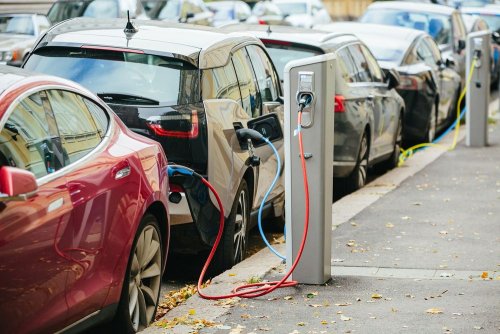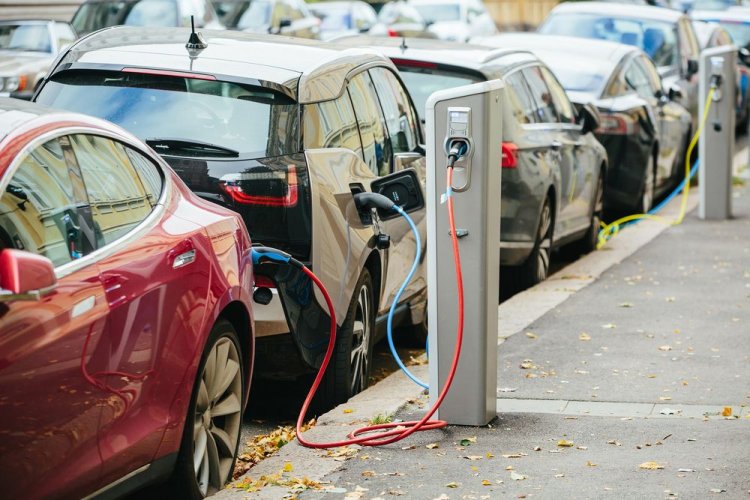
There is ongoing debate in Ukraine regarding the possible introduction of additional taxes on electric vehicles. A number of legislative proposals have already been put forward on how to replenish the Road Fund at the expense of electric car owners. However, experts are convinced that this could halt the growth of the electric vehicle sector.
Analysts from the Automotive Market Research Institute have set out their arguments.
There are no longer any savings
Even now, using an electric vehicle is not exactly very cost-effective. And this is despite the fact that the cost of fossil fuels has risen significantly. When calculating the cost of driving 100 km, the figures are as follows:
Diesel vehicle – about UAH 630. This calculation factors in the price of diesel at roughly UAH 90 per liter.
- Petrol vehicle – about UAH 584. The price of A-95 petrol – about UAH 73 per liter.
- Electric vehicle – UAH 520–600. The calculation uses a cost of 1 kWh of energy ranging from UAH 26 to UAH 30 at public charging stations.
If the authorities introduce additional fees for electric vehicle owners, residents of apartment buildings will simply stop choosing them. Researchers believe that, as a result, electric vehicles would become a niche product only for private homeowners.
The world supports, not restricts
In Ukraine, starting from January 1, 2026, importing an electric vehicle will again require payment of 20% VAT. Meanwhile, discussions about additional charges continue. However, the rest of the world is taking a radically different approach. There, purchasing an electric vehicle is financially incentivized. The Institute of Automotive Market Research provides several examples:
- In France, under the “social leasing” program, vulnerable groups can access an electric vehicle for just €100 per month.
- Norway has almost reached a 100% share of electric vehicles in new transport sales. Yet owners there can still save 50% or more on road tolls and fully enjoy free access to public transport lanes.
- The German government offers targeted subsidies to households with average incomes. At the same time, enterprise fleets benefit significantly from incentives for transitioning to electric transport.
- Even in the USA, where environmental issues are far from the center of government policy, residents can obtain a federal credit of $7,500 towards the purchase of a new electric vehicle.
The general trend – when the share of electric transport is low, countries invest in the market; once it exceeds about 15%, regular taxes return. In Ukraine, electric vehicles represent only 3% of the total vehicle fleet, so it is not yet time for additional restrictions.
Other arguments
Analysts also cite a number of additional factors that make the introduction of extra fees for electric vehicles currently inappropriate:
- Fleet renewal. At present, the average age of passenger vehicles in Ukraine exceeds 16 years. Electric vehicles were manufactured around 5 years ago. The older the vehicle, the lower its active and passive safety, which means the government must spend more to remediate the consequences of traffic accidents.
- Energy security. Petroleum products largely remain imported goods, whereas electricity, though with challenges, is generated domestically.
Taxation is inappropriate
The Institute of Automotive Market Research believes that the negligible share of electric vehicles in the overall market structure will not generate the revenue the government seeks. Meanwhile, administrative costs for registration and control may exceed the total amount of collected fees.
“The road tax should be tied to factors that actually impact infrastructure load: weight, mileage, environmental impact. EVs produce no emissions and have lower noise pollution levels, so taxing them simply because they are electric contradicts the logic of modern transport taxes,” - the organization adds.
In contrast, analysts propose a new model for replenishing the Road Fund that is not dependent on fuel price fluctuations and reflects actual road usage. At the same time, a differentiated environmental tax should be implemented that considers the real volume of pollution.
Most important, government regulations must be predictable in order not to deter investors from supporting the green transformation of transport infrastructure.
EcoPolitic reported that Ukrainians are buying fewer and fewer electric vehicles. After the reinstatement of VAT on these vehicles, imports dropped fourteenfold.