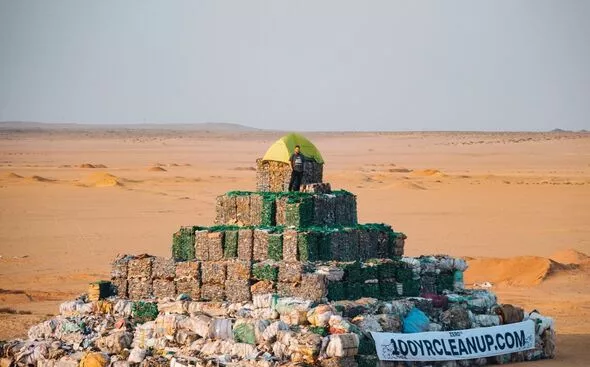
Ecoactivists of Egypt built near Cairo the world's largest pyramid of plastic waste, using 18 tons of trash fished from the Nile River.
This project announced the start of the 100YR CLEANUP initiative, which aims to clean up the planet over the next 100 years, reports Daily Express.
This pyramid consists of the equivalent of a million plastic bottles.
The material emphasized that the discovery of this pyramid was made possible by the initiative of the wine company The Hidden Sea, which removes plastic from the ocean every time someone buys a bottle.
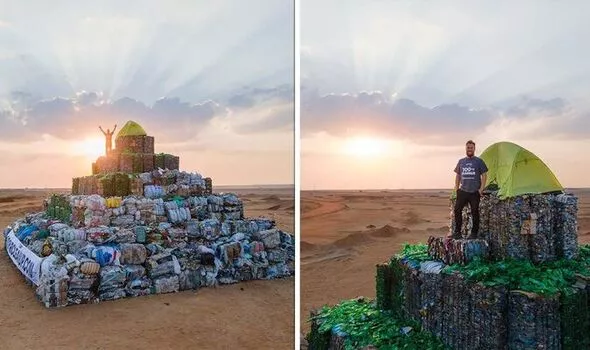
The founder of The Hidden Sea, Justin Moran, said that the pyramid shows only part of the incredible crisis.
"It is time to draw a line in the sand and change the way we manage the crisis. Those who have the ability are responsible," he said.
100YR CLEANUP founder Mike Smith also said that it is impossible to solve the plastic crisis alone.
"By working together with companies, industry leaders and inviting the public to take direct action, we can develop a scalable solution to the problem and have a huge impact," said Smith.
The authors said the two companies aim to raise $1 million by 2023, which they estimate will help ship 15 million bottles and fulfill the initiative's mission every year for the next 100 years, 5 days a year.
The article noted that the initiative aimed to draw the attention of COP27 participants to the climate crisis.
As EcoPolitic previously reported, in a new Greenpeace report Circular Claims Fall Flat Again stated that plastic recycling is a dead-end strategy, because every year the amount of plastic waste is increasing, recycling is decreasing, and most of the waste cannot be recycled.