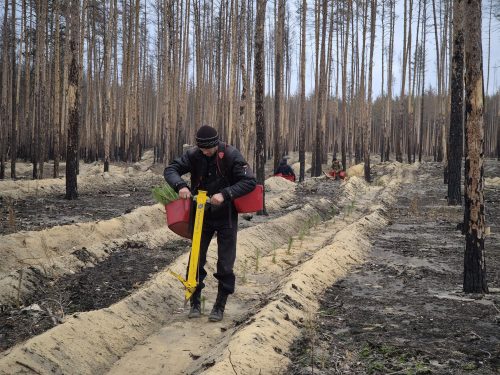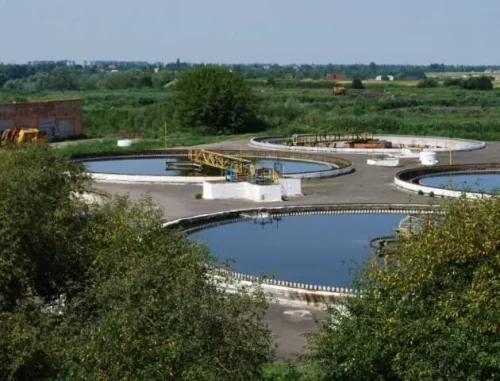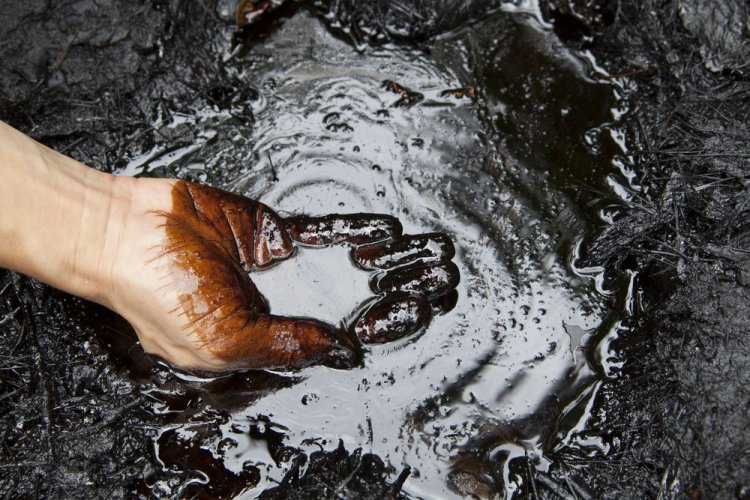
Kharkiv has begun replacing the soil contaminated with oil products after the enemy shelling of the oil depot on February 9.
Mayor Ihor Terekhov said this, adding that oil products also got into the rivers, but their concentration in the water is currently decreasing, Ukrinform reports.
He said that the city authorities are working to localize the consequences of the shelling of the oil depot. In particular, they are currently removing the contaminated soil layer and replacing it with a new one.
"We bought special reagents that are working now. And I will say that they work very well, because our rivers already have a completely different level of pollution than before their use," said Terekhov.
He added that a commission continues to work in the city to inspect such facilities that pose a potential danger.
As you know, the shelling of the oil depot resulted in about 3,000 tons of oil products entering the rivers. On February 15, the water bodies began to be cleaned using protective booms and sorbents. The pollution was localized and the flow of oil products into the Siverskyi Donets River was stopped.
As a reminder, according to preliminary estimates, the environmental damage caused by the enemy attack on the oil depot in Kharkiv and the spill of 3,000 tons of fuel, including into rivers, amounts to more than UAH 30 million.
As EcoPolitics previously reported, the Ministry of Environmental Protection and Natural Resources issued an environmental impact assessment (EIA) conclusion to Agro-Market LLC for the construction of a storage tank for carbide-ammonia mixture in Kharkiv. The warehouse will be located in the Shevchenkivskyi district of the city near the Lopan River.