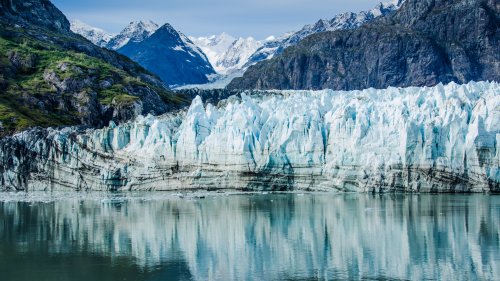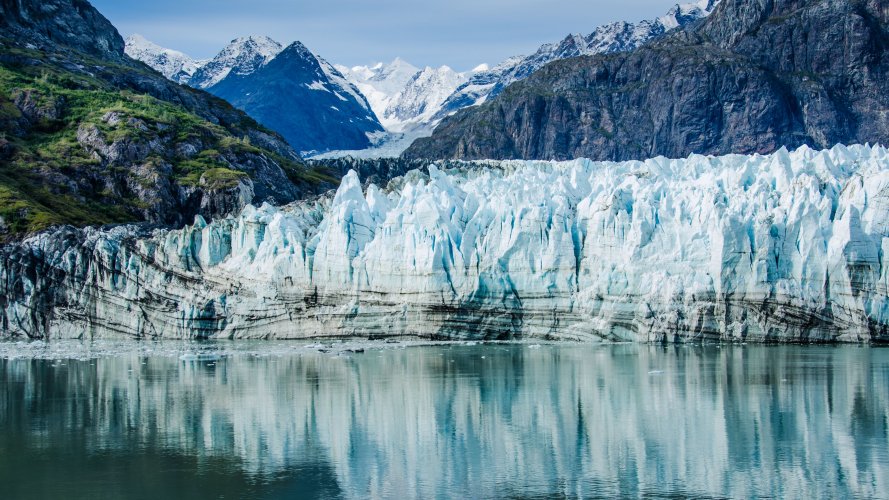
NASA's Landsat Earth Observer recorded that from mid-June to the end of July, Greenland's snow cover decreased by 50%.
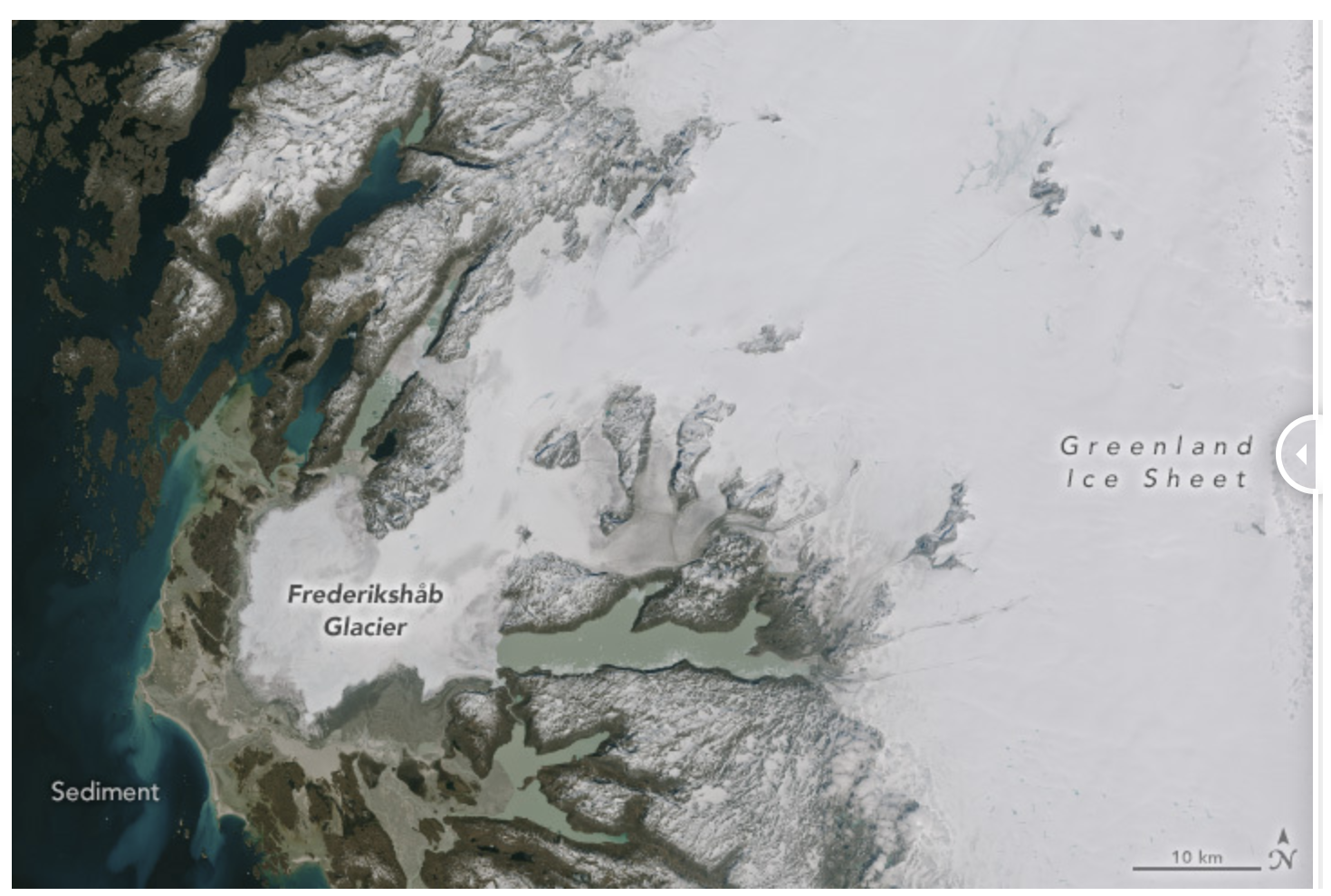
June 14, 2023
This happened due to unusually warm weather in the region, according to NASA.
Greenland is losing its snow and ice cover faster than average in the summer of 2023 due to warm southwesterly winds and unusually cloudless skies, it said. A particularly rapid melting of the glacier was recorded in the south of the island.
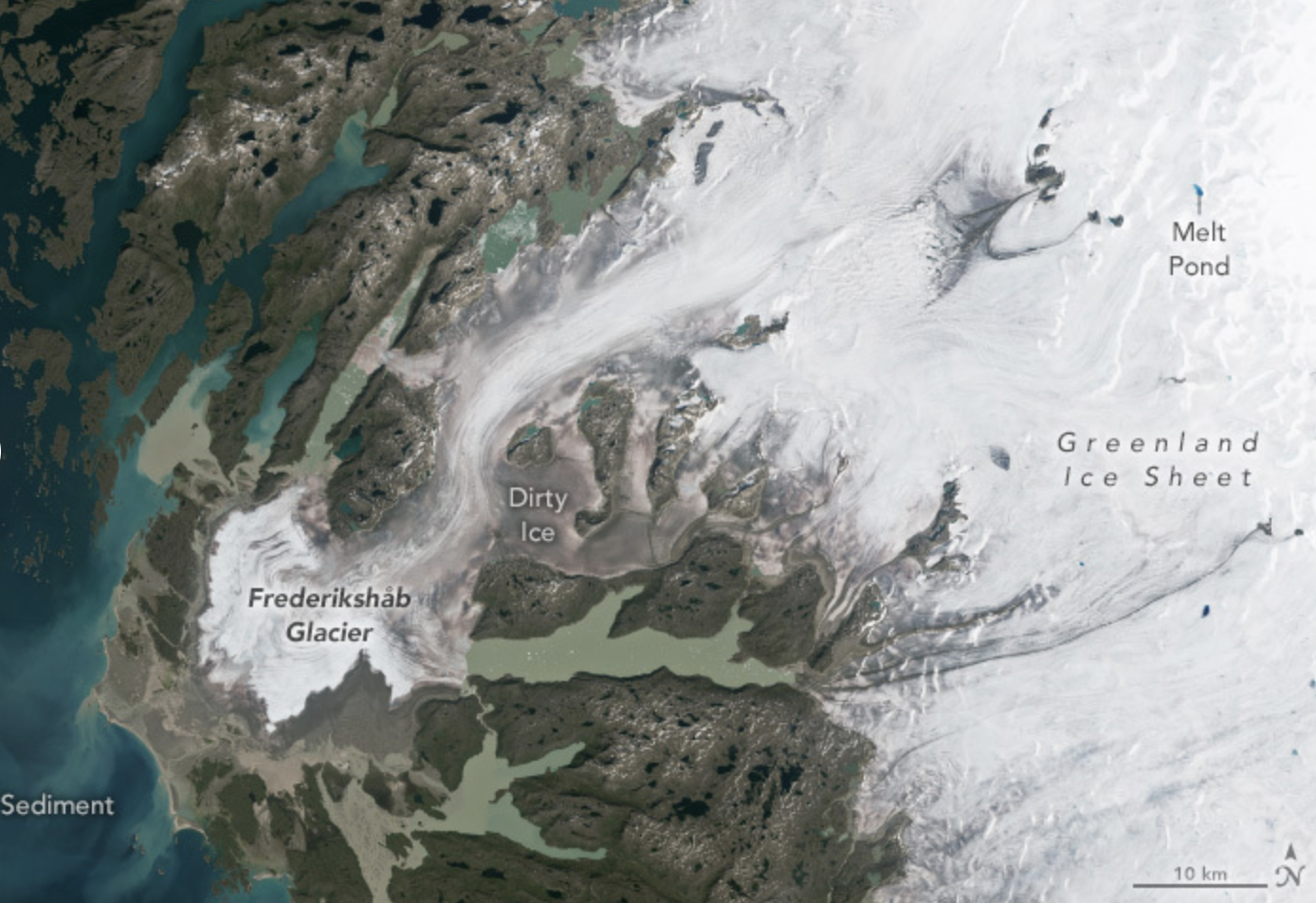
July 24, 2023
The material said that Mr although the melting in Greenland remained lower than the 2012 figures. However, as of mid-July, the daily melting rate was higher than the 1981-2010 average.
NASA emphasized that 2023 is on par with several other high melting years in recent decades.
Earlier, Ecopolitic wrote, that scientists have discovered that deep cracks are forming in the Thwaites Glacier in Antarctica, which is called the Doomsday Glacier, and it is melting at a significant speed. Its partial destruction could lead to a sea level rise of more than 70 cm
As EcoPolitic previously reported, the area of sea ice in Antarctica is shrinking at an unprecedented rate and, despite the middle of winter, some areas have become bare in places where this had not been observed before. During the years 2007-2022, satellite studies show a constant decrease in the amount of subpolar ice, and since 2016, such trends have become increasingly unpredictable.