
Two new natural monuments will be created in the virgin steppes of Kirovograd region

Two new natural monuments will be created in the virgin steppes of Kirovograd region facebook.com/kekz.ua

Maria Semenova

The new status of steppe territories will help preserve rare plant species from destruction

Two areas of untouched steppe located in the Glodoska and Velykoandrusivska communities will be designated as botanical nature reserves called "Zaozéria" and "Nahirni Kvity." This was requested by eco-activists from the Kyiv Ecological and Cultural Center in order to protect the wildlife in these areas from human interference.

According to the KECC, local village councils have agreed to grant the areas the status of natural monuments of local importance.

What makes the new monuments interesting

Both areas are grassy ecosystems that have not yet been damaged by human activity. "Zaozéria" will cover an area of 14.8 hectares, and "Nahirni Kvity" will cover 39.6 hectares. Activists emphasize that this is not just virgin land, but a remnant of the Ukrainian part of the Great Steppe.

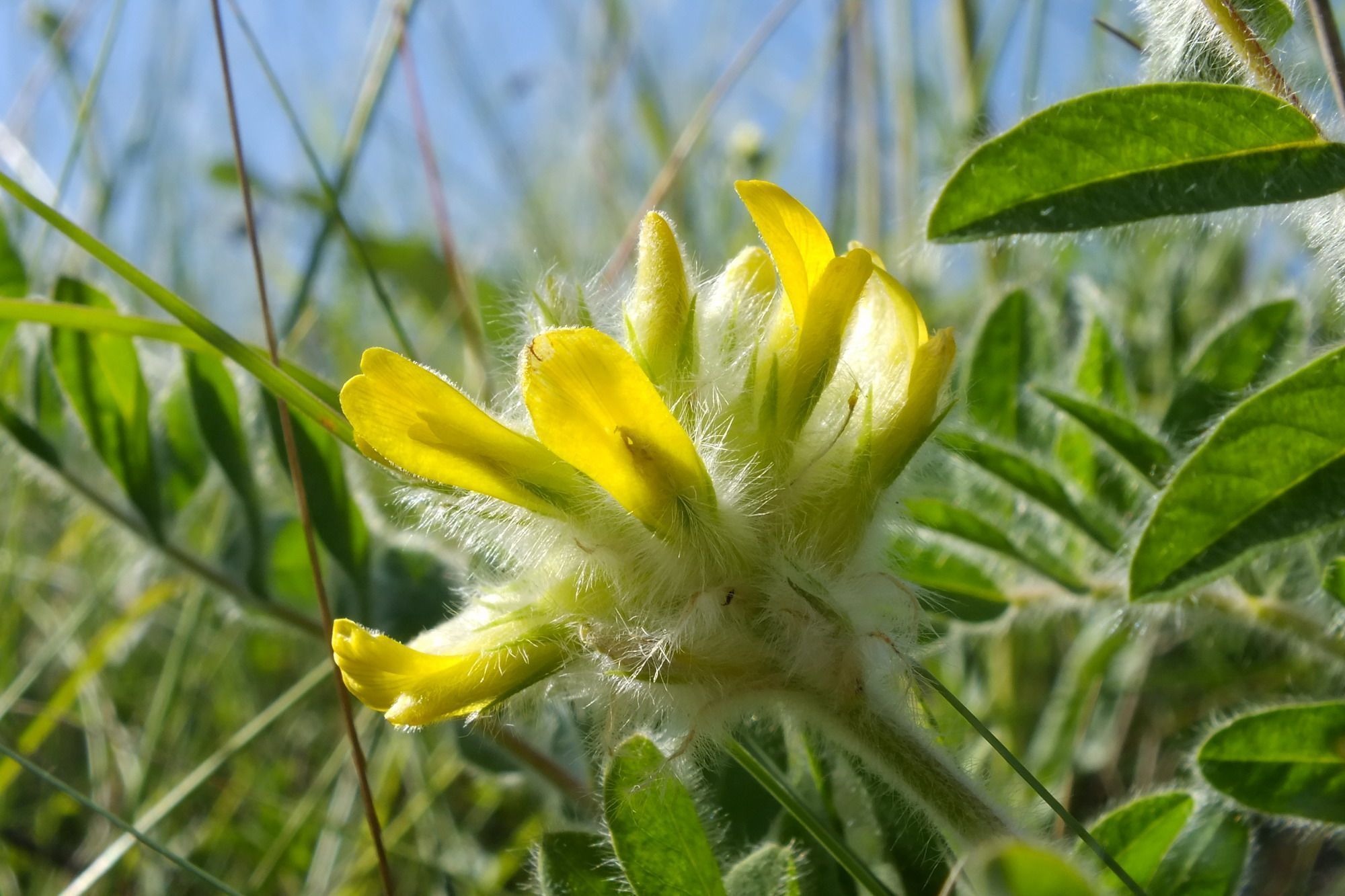
The value of these sites lies not only in the integrity of their ecosystems. Rare plants listed in the Red Book grow here. These include hairy feather grass, Lessing's feather grass, and bugleweed in Zaozersya, and rough-flowered astragalus in Nahirni Kvity.

facebook.com/kekz.ua

Photo: Southern carnation. Source: facebook.com/kekz.ua

Such territories must be protected by law. This refers to the EU Habitats Directive and Resolution 4 of the Bern Convention.
facebook.com/kekz.ua

Photo: Astragalus dasyanthus. Source: facebook.com/kekz.ua

The wild steppe is an important absorber of greenhouse gases. EcoPolitics explained how this works using the example of the Tarutino steppe in the Danube delta.

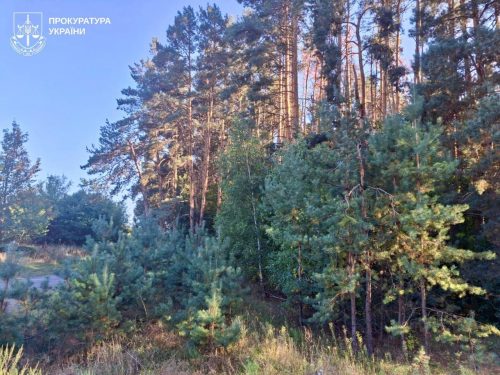
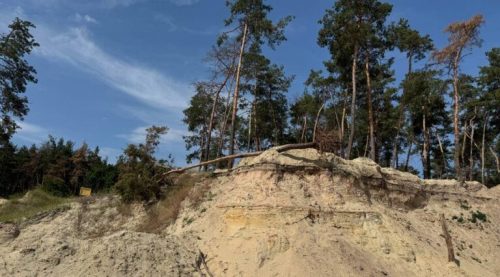
However, some areas of the steppe are being destroyed with "good intentions." For example, in the Chernihiv region, 5 hectares of steppe were planted with trees to create a forest.
Related
Weekly roundup of environmental crimes: deforestation, water and air pollution, and land disputes

The "stars" of the week are foresters from the Odesa region who used intimidation to force forest workers to illegally cut down and sell trees

Illegal logging is taking place—but there is no comprehensive data: government agencies have taken a stance

While institutions are trying to figure out who to hold accountable, the logging continues, with no way to track its scale or the effectiveness of efforts to stop it

Illegal profits from waste, poaching, and deforestation: a roundup of environmental crimes

In Bukovina, in particular, a large-scale scheme involving the export of unaccounted-for timber was uncovered following 26 searches

A dangerous precedent has been set: why did environmental activists protest against Law No. 13693?

The amendments to the Land Code effectively strip the Emerald Network of any protection